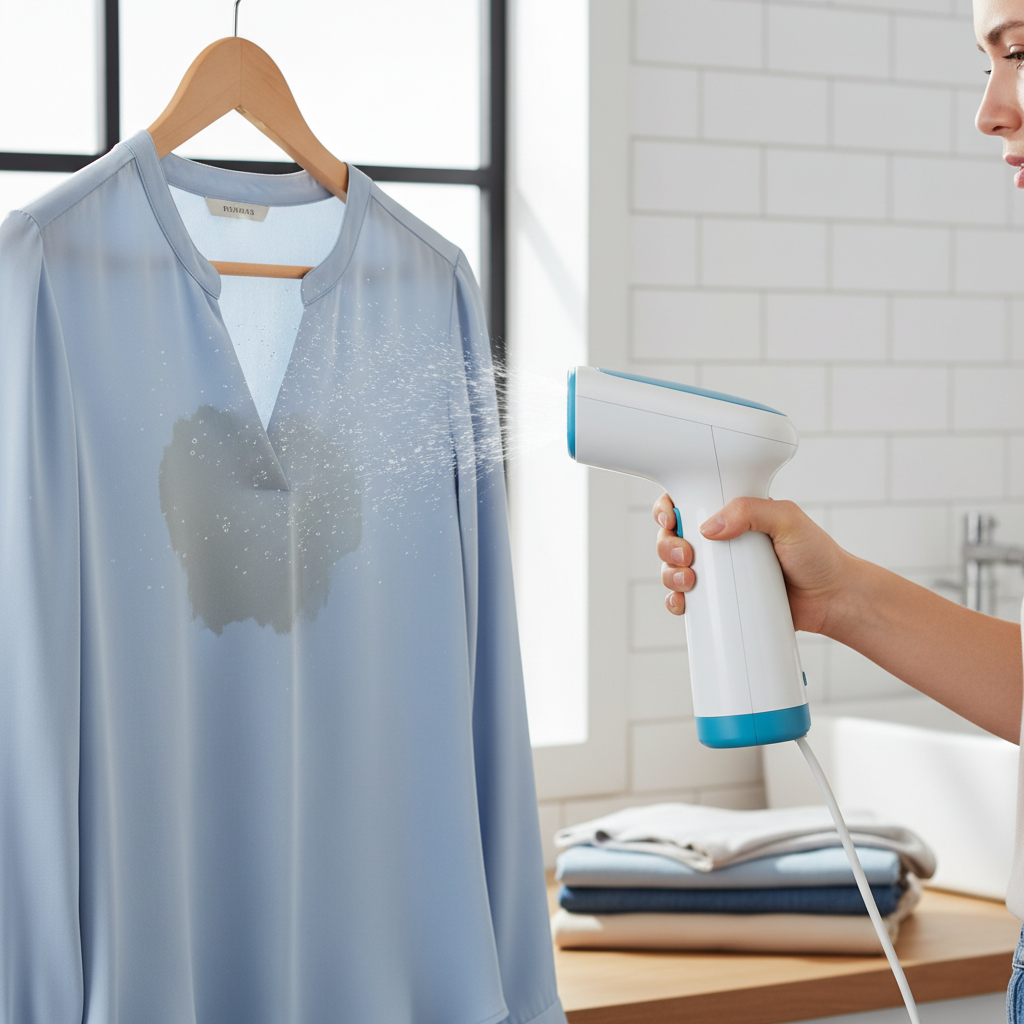
Linen shirts possess an undeniable charm, offering breathability and sophisticated comfort, especially in warmer climates. However, their natural elegance often comes with a notorious tendency to wrinkle, leaving many wondering how to maintain that crisp, polished appearance. While traditional ironing can be harsh on linen fibers, a handheld garment steamer offers a gentle, effective, and efficient solution to smooth out creases and revive your favorite linen garments. This guide will walk you through everything you need to know, from understanding why steaming is ideal for linen, to choosing the right steamer, and mastering the technique for flawless results every time.
What is a Handheld Garment Steamer?
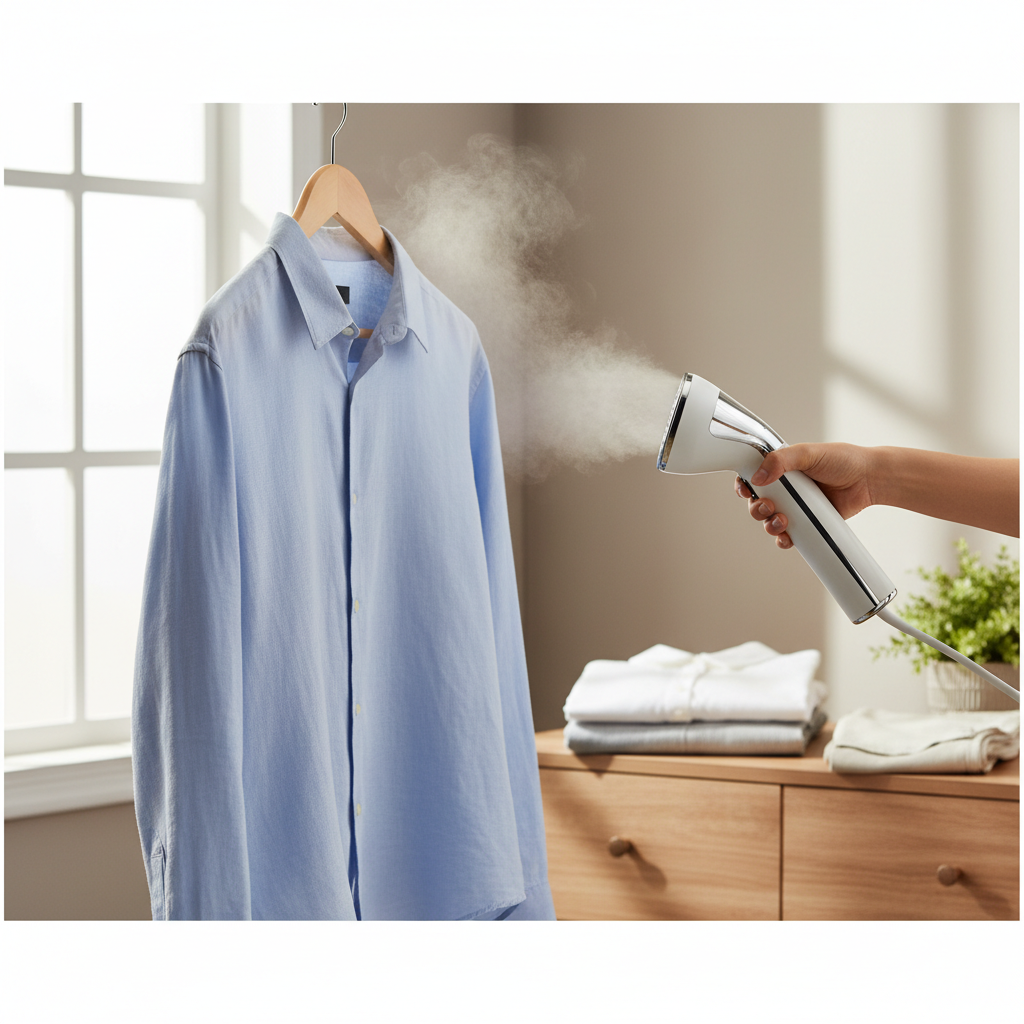
A handheld garment steamer is a portable device designed to remove wrinkles from fabrics using hot steam. Unlike a traditional iron that uses direct heat and pressure, a steamer works by relaxing the fabric fibers with steam, allowing creases to fall out naturally. This gentle method is particularly beneficial for delicate fabrics like linen, which can be easily damaged or shine-marked by a hot iron.
For linen, a steamer offers several distinct advantages over traditional ironing. Firstly, it preserves the fabric’s natural texture and drape, preventing the flattened, stiff look that an iron can sometimes create. Secondly, steaming is often much faster for quick touch-ups or refreshing garments that aren’t heavily wrinkled. Finally, the absence of direct contact with a hot plate significantly reduces the risk of burning or damaging your cherished linen items, ensuring their longevity and continued beauty.
Types of Handheld Garment Steamers
Handheld garment steamers vary primarily in their power, water tank capacity, and additional features, catering to different usage needs. Smaller, compact models are ideal for travel or occasional touch-ups, while more robust units with larger water tanks are better suited for regular home use and tackling multiple garments. Some advanced models may offer variable steam settings, allowing you to adjust the intensity for different fabric thicknesses, a useful feature for diverse linen types. While specific brands and power classifications are numerous, understanding these general categories helps in selecting a steamer that aligns with your lifestyle.
How to Choose the Best Handheld Garment Steamer for Linen
Selecting the right handheld garment steamer can significantly impact your results and overall experience. Consider the following factors to ensure you pick a model perfectly suited for achieving wrinkle-free linen shirts.
Determine Your Usage Needs
|
Our Picks for the Best Handheld garment steamer in 2026
As an Amazon Associate I earn from qualifying purchases.
|
||
| Num | Product | Action |
|---|---|---|
| 1 | Conair Handheld Garment Steamer for Clothes, Turbo ExtremeSteam 1875W Fabric Steamer, Portable Handheld Design, Strong Penetrating Steam, White/Champagne |

|
| 2 | HiLIFE Steamer for Clothes, Portable Handheld Clothing Steamer, 240ml Big Capacity, 700W, Strong Power, Fabric Quick Wrinkle Remover with Brush for Home, Office(ONLY 120V) -Blue |
|
| 3 | BEAUTURAL Steamer for Clothes, Portable Handheld Garment Fabric Wrinkles Remover, Aluminun Heating Plate, 35-Second Fast Heat-up, Large Detachable Water Tank (Only for 120V), Blue |
|
| 4 | HiLIFE Steamer for Clothes, Portable Handheld Design, 240ml Big Capacity, 700W, Strong Penetrating Steam, Removes Wrinkle, for Home, Office(ONLY FOR 120V)-Black |
|
| 5 | Jack & Rose Travel Steamer for Clothes,100-220V Portable Iron,15s Heat Up,Steamer & Iron 2 In 1, Travel Size,Large Ceramic Heat Panel,for Global and Europe |
|
| 6 | OGHom Portable Travel Handheld Steamer for Clothes, Garment Wrinkle Remover, 1000W Strong Penetrating Fabric Steamer, for Home, Office, Travel (ONLY FOR 120V) -White |
|
| 7 | Conair Handheld Garment Steamer for Clothes, Turbo ExtremeSteam 1875W Fabric Steamer, Portable Handheld Design, Strong Penetrating Steam, Amazon Exclusive, Black |
|
| 8 | Conair Handheld Garment Steamer for Clothes, ExtremeSteam 1200W, Portable Handheld Design,White/Blue |
|
| 9 | Bear Steamer for Clothes, Handheld Clothes Steamer,1300W Strong Power Garment Steamer with 230ml Tank,Fast Heat-up, Auto-Off, Steam Iron Fabric Wrinkle Remover with Brush for Home and Travel |
|
| 10 | HiLIFE Upgraded Steamer for Clothes, Handheld & Portable, 1100W Powerful Steam, 300ml Big Capacity & No Leak Design, 30S Fast Heat-up, Quick Wrinkle Remover, Compact Size for Travel, ONLY 120V |
|
Before diving into specifications, consider how you intend to use your steamer. Are you a frequent traveler needing a compact device for quick hotel room touch-ups? Or do you require a more powerful steamer for regular use at home to maintain a collection of linen shirts and other garments? Your primary purpose and the frequency of use will guide your choice, ensuring the steamer fits seamlessly into your routine.
Key Technical Factors to Consider
Several technical aspects contribute to a steamer’s performance, especially when dealing with the unique characteristics of linen.
- Wattage/Power: Higher wattage generally means faster heat-up times and more consistent, powerful steam output. For linen, which can have stubborn creases, a steamer with decent power (typically 1000-1500 watts for handhelds) will be more effective.
- Water Tank Capacity: A larger water tank allows for longer continuous steaming without the need for frequent refills. This is a considerable advantage when steaming multiple items or larger linen pieces.
- Steam Output: Look for models that provide a steady, strong flow of steam. Intermittent or weak steam can prolong the process and yield less-than-perfect results on linen.
- Weight and Size: Since it’s handheld, ergonomics matter. A lightweight and comfortably sized steamer will reduce fatigue during use, making the process more enjoyable and efficient.
Additional Features to Look For
Beyond the core functionality, certain features can enhance your steaming experience.
- Auto-shutoff: A safety feature that turns off the steamer when the water runs out or it overheats, preventing damage to the device and ensuring peace of mind.
- Continuous Steam Lock: This allows you to lock the steam trigger, providing a continuous flow without having to constantly hold down a button, which is particularly helpful for larger garments.
- Attachments: Some steamers come with fabric brushes (to lift fibers), lint removers, or crease tools, which can be useful for different fabric types or for achieving sharper lines on collars and cuffs.
Steaming Linen Shirts: A Step-by-Step Guide
Achieving perfectly steamed linen shirts is a simple process once you master the technique. Follow these steps for the best results.
Preparation is Key
Proper preparation sets the stage for efficient and effective wrinkle removal.
- Hang the Shirt Properly: Begin by hanging your linen shirt on a sturdy hanger. A good hanger helps maintain the shirt’s shape and provides a stable surface for steaming. Ensure there’s ample space around the garment, preventing steamed areas from re-wrinkling against other items.
- Fill with Distilled Water: Always fill your steamer’s water reservoir with distilled water. This prevents mineral buildup, which can clog the steamer, reduce its lifespan, and potentially leave white residue on your linen.
- Pre-heat and Test Burst: Plug in your steamer and allow it to fully heat up until it produces a consistent stream of steam. Before applying it to your shirt, give a quick test burst away from the fabric. This clears any residual water that might have condensed in the nozzle, preventing sputtering or water spots.
- (Optional) Lightly Dampen Stubborn Areas: For particularly deep or stubborn wrinkles, you can lightly mist the affected area with plain cool water before steaming. This can help the steam penetrate the fibers more effectively.
The Perfect Steaming Technique
With your steamer ready, it’s time to tackle those wrinkles with precision.
- Hold Taut: Gently pull the bottom hem of the linen shirt taut with your free hand. This tension helps to flatten the fabric, allowing the steam to work more effectively and remove creases more easily. For parts like sleeves, hold the cuff.
- Distance from Fabric: Hold the steamer head a few inches (typically 1 to 8 inches) away from the fabric. The goal is to let the steam penetrate the fibers without direct contact, which could lead to wet spots or overheating.
- Slow, Deliberate Downward Strokes: Glide the steamer slowly and evenly over the fabric, moving in a downward direction. Don’t rush; allow the hot steam enough time to relax the linen fibers. Working too fast might cause wrinkles to reform.
- Section by Section Approach: Work systematically, steaming one section at a time. Start with the collar, then move to the shoulders, sleeves, and finally the main body of the shirt. For collars and cuffs, you can pop them up and steam them before folding them down to lock in their shape.
- Trouser Hanger Trick: If you have access to trouser hangers, clip them to the bottom hem of the shirt. The added weight will help pull the fabric downwards, assisting in the wrinkle removal process. This is especially useful for heavier linen or very creased items.
- Steam Both Sides: For comprehensive wrinkle removal, especially on thicker linen or areas with deep creases, steam both the inside and outside of the fabric. This ensures the steam fully penetrates the fibers, leading to a smoother finish.
“Linen’s natural charm lies in its relaxed elegance, and steaming is the ideal method to enhance this. It smooths wrinkles without flattening the fabric’s unique texture, letting linen truly breathe.” – Eleanor Vance, Textile Care Specialist
Post-Steaming Care
The final step is crucial for locking in your wrinkle-free results.
- Allow to Air Dry Completely: Once you’ve steamed the entire garment, leave it hanging on a hanger to air dry completely. Wearing or storing a still-damp linen shirt can cause new wrinkles to form or even lead to mildew.
- Store Properly: Once fully dry, store your linen shirt on a good quality hanger in your closet. Avoid folding if possible, as this can introduce new creases.
Common Steaming Mistakes to Avoid
Even with the best steamer and technique, a few common pitfalls can hinder your efforts. Be mindful of these to ensure consistently excellent results:
- Rushing the Process: Impatience is the enemy of wrinkle removal. Moving the steamer too quickly or not allowing sufficient steam exposure will leave residual creases.
- Overfilling the Water Tank: While tempting to avoid refills, overfilling can lead to water leakage or sputtering, potentially wetting and spotting your garment.
- Not Cleaning the Steamer: Mineral buildup from tap water can clog your steamer and reduce its efficiency. Regular cleaning (using distilled water only and occasional descaling) is crucial.
- Steaming Dirty Clothes: Steaming can set stains into fabric. Always ensure your linen shirt is clean before steaming.
- Wearing Immediately After Steaming: As mentioned, linen needs time to cool and dry after steaming. Wearing it while still warm or damp will instantly re-introduce wrinkles.
Where to Buy Handheld Garment Steamers
Handheld garment steamers are widely available and can be found through various reputable channels, both online and in brick-and-mortar stores.
- Online Retailers: Platforms like Amazon, Best Buy, Target, or specialized home appliance websites offer a vast selection of steamers from numerous brands, often with competitive pricing and detailed customer reviews.
- Department Stores and Electronics Stores: Physical stores such as Macy’s, JCPenney, or local electronics retailers allow you to see and feel the products before purchasing, although the selection might be smaller than online.
- Specialty Appliance Stores: These stores often have knowledgeable staff who can provide expert advice and recommendations based on your specific needs.
When purchasing, always consider the retailer’s return policy and warranty offerings to ensure a hassle-free experience should any issues arise.
Buying Guide: Making Your Decision
With numerous options available, making an informed decision about your handheld garment steamer is essential.
What’s Your Budget?
Handheld garment steamers come in a wide price range, from budget-friendly options under $50 to premium models exceeding $100.
- Entry-level models are typically sufficient for occasional use and basic wrinkle removal.
- Mid-range steamers offer a good balance of performance and features for regular home use.
- High-end steamers boast faster heat-up, larger tanks, and advanced features, providing exceptional efficiency and durability.
Determine your budget based on your anticipated usage and prioritize features that matter most to you. Comparing prices across different vendors can help you find the best value.
Reputable Brands to Trust
While specific brand recommendations can vary based on model and current market, generally, look for brands known for their garment care appliances. These manufacturers often prioritize quality construction, efficient steam generation, and good customer support. Investigate their reputation for durability, performance, and after-sales service, as a reliable brand often translates to a more satisfying long-term investment.
Reading User Reviews
Before making a final decision, always take time to read user reviews on various platforms. Pay close attention to feedback regarding:
- Performance on linen: Does it effectively remove wrinkles from linen?
- Heat-up time and steam consistency: How quickly is it ready, and is the steam flow steady?
- Water tank capacity and leakage: Does it hold enough water, and are there any issues with spitting or leaking?
- Durability and ease of use: How well does it hold up over time, and is it comfortable to operate?
These real-world insights can provide invaluable perspectives that product descriptions might not cover.
Conclusion
Steaming linen shirts to perfection is not just possible; it’s the preferred method for maintaining their natural beauty and keeping them looking effortlessly chic. By understanding the advantages of steaming, choosing a suitable handheld garment steamer, and applying the correct techniques, you can banish wrinkles without compromising the fabric’s integrity. Remember to prioritize preparation, use slow and deliberate strokes, and always allow your linen garments to air dry completely for the best results.
Embrace the art of steaming, and transform your wrinkled linen shirts into perfectly smooth, ready-to-wear pieces with ease. What are your go-to tips for keeping your linen collection pristine?
Frequently Asked Questions
Is steaming better than ironing for linen?
Yes, steaming is generally considered better for linen than ironing. Steaming gently relaxes the fibers to remove wrinkles without flattening the fabric’s natural texture or risking shine marks that can occur with direct iron contact. It helps maintain linen’s soft drape and breathability.
Can I use tap water in my garment steamer?
It is highly recommended to use distilled water in your garment steamer. Tap water contains minerals that can build up over time, leading to clogs, reduced steam output, and potentially leaving white mineral deposits on your linen shirts.
How long does it take to steam a linen shirt?
The time it takes to steam a linen shirt can vary depending on the steamer’s power and the degree of wrinkling. Generally, a lightly wrinkled linen shirt can be refreshed in 3-5 minutes, while a heavily creased one might take 5-10 minutes to achieve perfection.
Can I steam linen blends?
Yes, you can typically steam linen blends. However, always check the garment’s care label first, as the steaming instructions might need to be adjusted based on the other fibers in the blend (e.g., cotton, rayon). It’s often best to use a medium steam setting initially.
How do I maintain my handheld garment steamer?
To maintain your handheld garment steamer, always use distilled water, empty any remaining water after each use, and store it upright. Regularly descale it according to the manufacturer’s instructions (usually with a vinegar solution) to prevent mineral buildup and ensure optimal performance.