Velvet, with its distinctive soft pile and luxurious sheen, adds an undeniable touch of elegance to any wardrobe or home decor. However, this beautiful fabric is notorious for its delicate nature, easily succumbing to wrinkles, creases, and dreaded crushed pile marks that can strip away its sophisticated appeal. Mastering the art of steaming velvet without causing damage is a skill every velvet owner needs. This comprehensive guide will walk you through expert techniques, essential tools, and crucial tips to safely revive your velvet items, preserving their plush texture and radiant beauty.
Understanding Velvet: A Fabric of Distinction
Velvet is a woven tufted fabric where the cut threads are evenly distributed, with a short dense pile, giving it a distinctively soft feel. This unique “pile” or “nap” is what gives velvet its characteristic depth and luxurious appearance. The fibers stand upright, reflecting light in a way that creates a rich, variable hue. However, this very structure makes velvet susceptible to damage from heat, direct pressure, and improper handling. When the pile gets pressed flat, it can lead to shiny spots, permanent creases, or a dull, lifeless appearance, diminishing the fabric’s inherent charm.
Essential Tools for Velvet Steaming Success
Proper care for velvet begins with having the right equipment. Using specialized tools can make all the difference in achieving pristine, crush-free results. While a simple steam iron might suffice for lighter wrinkles, a dedicated garment steamer offers a gentler, more controlled approach, ideal for this delicate material.
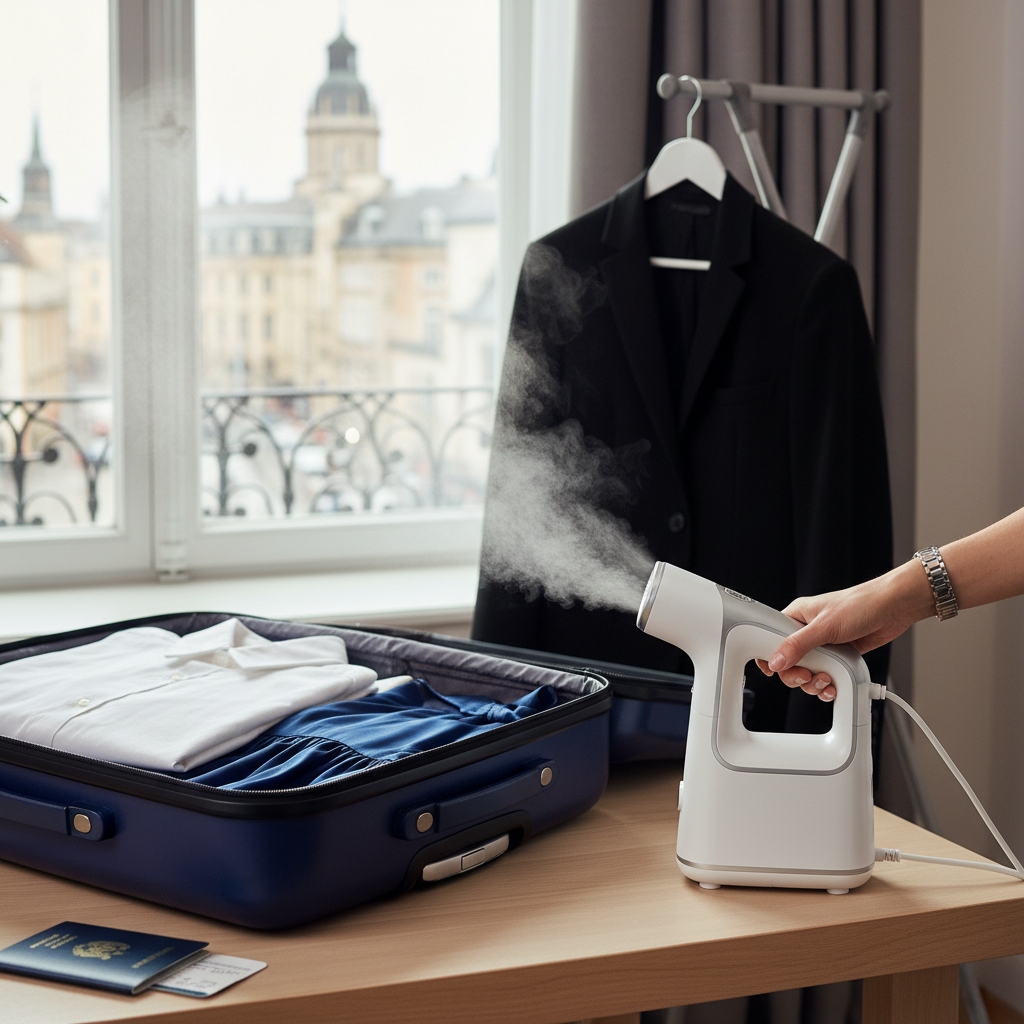
- Garment Steamer (Handheld or Standing): This is the safest and most effective tool for velvet. It provides a consistent stream of steam without direct contact or pressure, crucial for maintaining the pile. Handheld models are great for quick fixes and travel, while standing models offer larger water tanks and more continuous steam for extensive use.
- Steam Iron (with caution): If a garment steamer isn’t available, a steam iron can be used, but never for direct pressing. Its purpose here is solely to generate steam.
- Velvet Board / Needle Board: A specialized tool with fine, upright wires that allow the velvet pile to sink between them when pressing, preventing crushing. This is a professional-grade item for serious velvet care. If unavailable, a thick, clean towel or even another piece of velvet (pile side up) can serve as a makeshift barrier.
- Soft-Bristled Brush: A velvet brush, clothes brush, or even a very soft toothbrush is essential for gently lifting and realigning the pile after steaming.
- Press Cloth or Clean, Soft Towel: A thin, clean cloth used as a barrier between a steam iron and the velvet, if you must use an iron for stubborn areas.
- Padded Hanger: Crucial for hanging velvet garments during and after steaming to prevent new creases and maintain the garment’s shape.
Step-by-Step Guide: How to Steam Velvet Safely
Steaming velvet requires a delicate touch and careful attention to detail to ensure its luxurious texture remains intact. The goal is to relax the fibers with steam, not to flatten them with heat or pressure. Following these steps will help you achieve wrinkle-free velvet without crushing its delicate pile.
Preparation is Key
|
Our Picks for the Best Handheld garment steamer in 2026
As an Amazon Associate I earn from qualifying purchases.
|
||
| Num | Product | Action |
|---|---|---|
| 1 | HiLIFE Steamer for Clothes, Portable Handheld Clothing Steamer, 240ml Big Capacity, 700W, Strong Power, Fabric Quick Wrinkle Remover with Brush for Home, Office(ONLY 120V) -Blue |

|
| 2 | OGHom Portable Travel Handheld Steamer for Clothes, Garment Wrinkle Remover, 1000W Strong Penetrating Fabric Steamer, for Home, Office, Travel (ONLY FOR 120V) -White |
|
| 3 | HiLIFE Upgraded Steamer for Clothes, Handheld & Portable, 1100W Powerful Steam, 300ml Big Capacity & No Leak Design, 30S Fast Heat-up, Quick Wrinkle Remover, Compact Size for Travel, ONLY 120V |
|
| 4 | Conair Handheld Garment Steamer for Clothes, Turbo ExtremeSteam 1875W Fabric Steamer, Portable Handheld Design, Strong Penetrating Steam, White/Champagne |
|
| 5 | Conair Handheld Garment Steamer for Clothes, Turbo ExtremeSteam 1875W Fabric Steamer, Portable Handheld Design, Strong Penetrating Steam, Amazon Exclusive, Black |
|
| 6 | Conair Handheld Garment Steamer for Clothes, ExtremeSteam 1200W, Portable Handheld Design,White/Blue |
|
| 7 | Jack & Rose Travel Steamer for Clothes,100-220V Portable Iron,15s Heat Up,Steamer & Iron 2 In 1, Travel Size,Large Ceramic Heat Panel,for Global and Europe |
|
| 8 | BEAUTURAL Steamer for Clothes, Portable Handheld Garment Fabric Wrinkles Remover, Aluminun Heating Plate, 35-Second Fast Heat-up, Large Detachable Water Tank (Only for 120V), Blue |
|
| 9 | Bear Steamer for Clothes, Handheld Clothes Steamer,1300W Strong Power Garment Steamer with 230ml Tank,Fast Heat-up, Auto-Off, Steam Iron Fabric Wrinkle Remover with Brush for Home and Travel |
|
| 10 | HiLIFE Steamer for Clothes, Portable Handheld Design, 240ml Big Capacity, 700W, Strong Penetrating Steam, Removes Wrinkle, for Home, Office(ONLY FOR 120V)-Black |
|
Before you even turn on your steamer, a few preparatory steps will safeguard your velvet and ensure the best results. Always take the time to prepare your garment and equipment correctly.
- Check Care Labels: Always start by reading the care label on your velvet item. Velvet can be made from various fibers (silk, cotton, rayon, polyester, blends), and each may have specific temperature or care instructions. Ignoring these can lead to irreversible damage.
- Clean the Steamer/Iron: Ensure your steamer or iron is free of mineral deposits or residue. Any impurities can stain your delicate velvet fabric. Use distilled water in your steamer to prevent mineral buildup.
- Hang Garment Properly: Hang your velvet garment on a sturdy, padded hanger. This allows the fabric to hang naturally and provides easy access to all wrinkled areas. Ensure there’s ample space around the garment for steam to circulate.
The Gentle Art of Steaming
The key to steaming velvet successfully lies in indirect steam application and avoiding any direct contact that could flatten the pile. Patience and a light hand are your best allies in this process.
Indirect Steaming: The Safest Method
For most wrinkles and general refreshing, indirect steaming is your go-to method. This technique uses the power of steam to relax fibers without any physical contact with the fabric’s delicate surface.
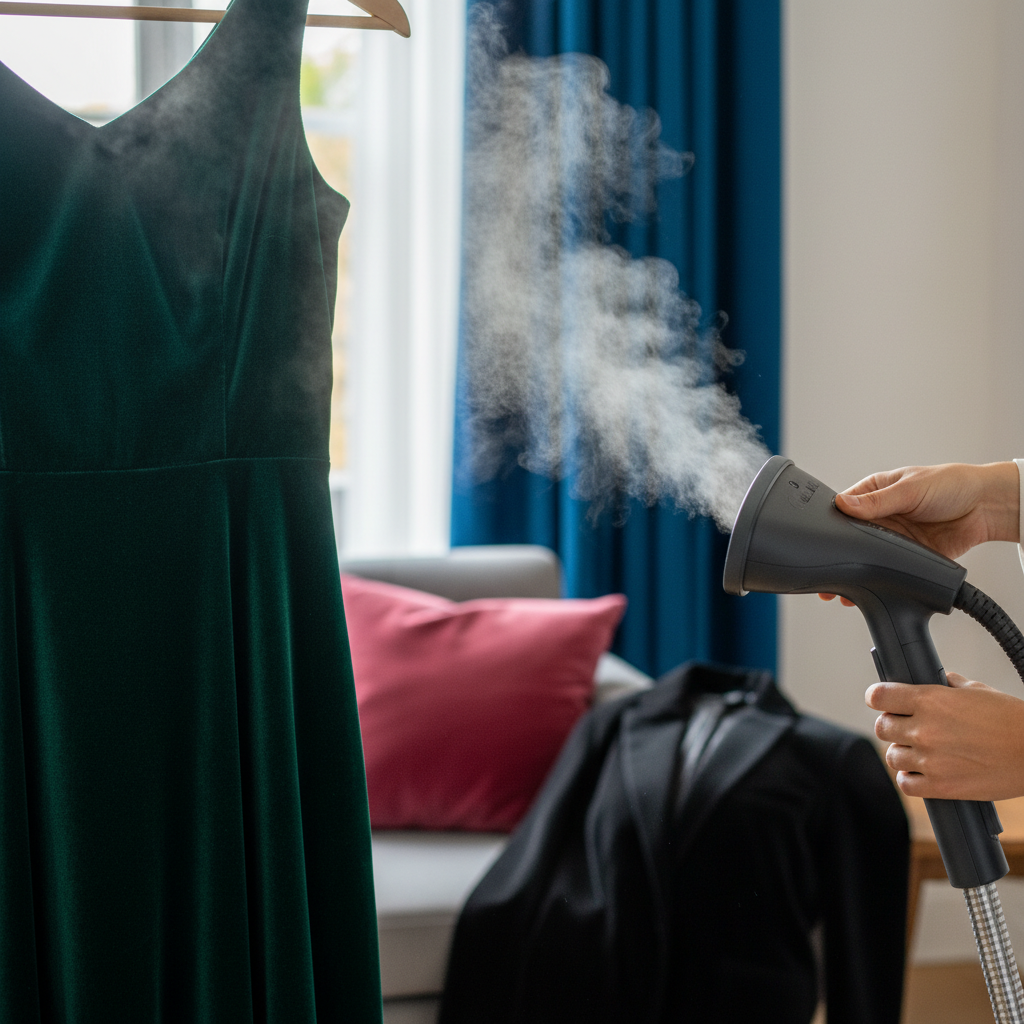
- Maintain Distance: Hold your garment steamer about 1/2 inch to a few inches away from the velvet surface. The exact distance can vary slightly based on the steamer’s power, but the aim is to let the steam penetrate without drenching or pressing the fabric.
- Sweeping Motions: Move the steamer head in slow, sweeping motions across the wrinkled area, either from top to bottom or side to side. Avoid holding the steamer in one spot for too long, as this can over-wet the fabric and cause damage or water spots.
- Steam from the Inside Out (or Reverse Side): For velvet garments, always steam the fabric from the inside out or the reverse side. This protects the plush outer pile from direct steam impact and potential flattening, allowing the heat to relax the fibers from beneath.
Addressing Stubborn Creases (with extreme caution):
For more stubborn creases or areas where the pile might be slightly crushed, a more targeted approach might be needed, but always with utmost care. Direct contact should be approached with extreme caution, prioritizing hovering techniques whenever possible.
- Using a Velvet Board/Needle Board (Professional Method): If you have access to a velvet board, place the velvet pile-side down on the board. The needles allow the pile to nest safely. Then, gently hover a steam iron above the wrong side of the fabric, allowing steam to penetrate without applying pressure. Lightly pat the fabric with your hand to help set the steam, never pressing down directly.
- Using a Press Cloth/Towel Barrier: If a velvet board isn’t available and you need to use an iron for steam, lay a clean, dry, thin press cloth or a soft towel over the wrong side of the velvet. Hover the steam iron just above the press cloth, letting the steam pass through to the velvet. Absolutely avoid pressing the iron directly onto the velvet or even onto the press cloth with pressure. The goal is to apply steam, not heat and pressure.
- Gentle Contact Steaming (for specific cases): Some experts suggest very light direct contact steaming with a handheld steamer for deeply compressed marks, after an initial hover. If attempting this, ensure no added pressure is applied. Allow only the steamer’s weight to move lightly across the fabric for a very brief period (5-10 seconds), always from the wrong side, and immediately follow with brushing. This method is high-risk and generally not recommended for beginners.
Natural Steaming Alternatives:
For very light wrinkles or to simply refresh velvet and remove odors, natural steam can be surprisingly effective. This passive method is gentle and requires no specialized equipment.
- Steamy Bathroom Method: Hang your velvet garment in a steamy bathroom while you take a hot shower. The ambient steam will naturally relax the fabric fibers. Allow it to hang for 10-15 minutes, then remove and let it air dry completely at room temperature. This is also excellent for removing odors.
Post-Steaming Perfection: Restoring the Pile
The steaming process gently relaxes the velvet fibers, but a crucial final step is needed to fully restore the pile and achieve that perfect, plush finish. This ensures the nap stands upright, reflecting light beautifully.
Gentle Brushing: The Finishing Touch
After steaming, the velvet pile might still appear slightly damp or disheveled. A gentle brushing can work wonders in lifting and unifying the nap.
- Brush with the Pile: Using a soft-bristled velvet brush or a clean clothes brush, gently stroke the fabric in the direction of the pile. Observe how the fabric looks lighter or darker as you brush; this indicates the direction of the nap. Brushing with the pile helps to smooth it down evenly.
- Lift the Pile: For areas that still appear flat or matted, you can gently brush against the pile in short, light strokes to help lift the fibers, then smooth them back down with the pile. Be extremely gentle to avoid disrupting the fibers further. This technique is particularly useful for localized pressure marks.
Air Drying: The Final Polish
Allowing your velvet garment to air dry completely is paramount. Rushing this step or exposing damp velvet to pressure can negate all your efforts.
- Room Temperature Drying: After steaming and brushing, leave the velvet item hanging on its padded hanger in a well-ventilated area at room temperature. Ensure it is completely dry before wearing or storing. Avoid direct sunlight or artificial heat sources, which can damage the fabric.
“Treating velvet requires respect for its unique structure. The goal is to coax the fibers back into place with warmth and moisture, not to force them. Always prioritize indirect steaming and gentle handling to protect that beautiful pile.” — Admin, reviewkf.com, Experienced Textile Technician
Common Mistakes to Avoid When Steaming Velvet
Even with the best intentions, it’s easy to make mistakes that can irrevocably damage velvet. Being aware of these pitfalls will help you avoid costly errors and keep your velvet looking pristine.
- Direct Ironing on the Right Side: This is the quickest way to flatten the pile, create shiny spots, and potentially burn the delicate fibers. Always avoid direct iron-to-velvet contact on the face of the fabric.
- Applying Excessive Pressure: Whether using a steamer, iron (even with a press cloth), or during brushing, heavy pressure will crush the pile and leave permanent marks. Velvet responds best to a light, gentle touch.
- Using High Heat: Velvet is sensitive to high temperatures. Too much heat can scorch the fibers, shrink the fabric, or alter its color. Always use a low to medium heat setting if using an iron’s steam function.
- Over-Wetting the Fabric: While steam is essential, saturating velvet with water can lead to water spots, texture changes, or even damage, particularly with certain types of velvet. Apply steam moderately and ensure the fabric is not overly damp.
- Skipping the Care Label: Different velvet compositions (silk, rayon, synthetic) have varying tolerances for heat and moisture. Always check the care label for specific instructions to prevent irreversible damage.
Choosing the Right Steamer for Velvet
Selecting an appropriate steamer can significantly enhance your velvet care routine. While all steamers generate steam, certain features make some models better suited for delicate fabrics like velvet.
- Water Tank Capacity: For larger items or frequent use, a steamer with a generous water tank capacity will allow for longer continuous steaming without needing refills. Handheld models typically have smaller tanks, ideal for quick touch-ups.
- Steam Output and Control: Look for a steamer that provides a consistent, strong steam output. Variable steam settings are a bonus, allowing you to adjust the intensity for different fabric types. A gentle steam setting is paramount for velvet.
- Attachments: Some steamers come with fabric brushes or delicate fabric guards. A fabric brush can be particularly useful for gently lifting the velvet pile after steaming, helping to restore its plushness.
Buying Guide
Investing in velvet pieces means understanding how to maintain their beauty over time. Your budget and preferred brands will influence your choices, but always prioritize product quality and reliable after-sales support.
What is Your Budget?
Velvet care tools range from affordable handheld steamers to more expensive professional setups.
- Budget-friendly: Basic handheld steamers or using a steam iron with extreme caution.
- Mid-range: Higher-quality handheld steamers or entry-level standing garment steamers.
- High-end: Professional-grade standing steamers or specialized velvet boards.
Consider your usage frequency and the value of your velvet items when budgeting.
Which Brands Are Reliable?
When it comes to fabric care, trusted brands often offer better performance and durability. Research brands known for their garment steamers and fabric care tools. Look for those with good customer reviews and strong warranty policies. Popular brands often have dedicated customer support, which can be invaluable if you encounter any issues.
Read Reviews from Other Users
Before making a purchase, always consult user reviews on various platforms. Pay close attention to feedback regarding:
- Performance on delicate fabrics: Do users specifically mention good results on velvet or similar materials?
- Ease of use: Is the steamer straightforward to operate and maintain?
- Durability: How well does the product hold up over time with regular use?
- Effectiveness: Does it effectively remove wrinkles without damaging fabric?
Reading authentic user experiences can provide real-world insights that product descriptions might miss, helping you make an informed decision.
Conclusion
Steaming velvet successfully is an art that combines the right tools with a gentle technique. By understanding the unique nature of its pile and meticulously following the steps for preparation, indirect steaming, and post-steaming care, you can effortlessly remove wrinkles and refresh your velvet items without ever crushing their luxurious texture. Remember to prioritize caution, check care labels, and always opt for a gentle touch. With these expert insights, your velvet pieces will continue to exude elegance and sophistication for years to come.
What are your go-to velvet care tricks that keep your pieces looking flawless?
Frequently Asked Questions
Can I use a regular iron to steam velvet?
Yes, you can use a regular iron with a steam setting, but it must be used with extreme caution. Never allow the iron’s soleplate to directly touch the velvet. Instead, hover the iron a few inches above the fabric, or use a clean press cloth as a barrier on the wrong side of the fabric to let the steam penetrate.
What if my velvet still looks crushed after steaming?
If the velvet still appears crushed, try re-steaming the area very gently, focusing on hovering and using short bursts of steam. Follow immediately with a soft-bristled brush to gently lift the pile. For very stubborn marks, a professional cleaner specializing in delicate fabrics may be the best option.
How do I remove odors from velvet?
To remove odors from velvet, hang the garment in a steamy bathroom for 10-15 minutes, allowing the ambient steam to penetrate the fibers. You can also use a garment steamer, hovering it over the fabric (from the wrong side if possible), then allow the item to air dry completely in a well-ventilated area.
Is steaming safe for all types of velvet?
Steaming is generally safe for most types of velvet, especially synthetic blends and those made from rayon or cotton. However, always consult the care label first, as silk velvet or very delicate vintage velvets might require specialized care or professional cleaning. When in doubt, perform a patch test on an inconspicuous area.