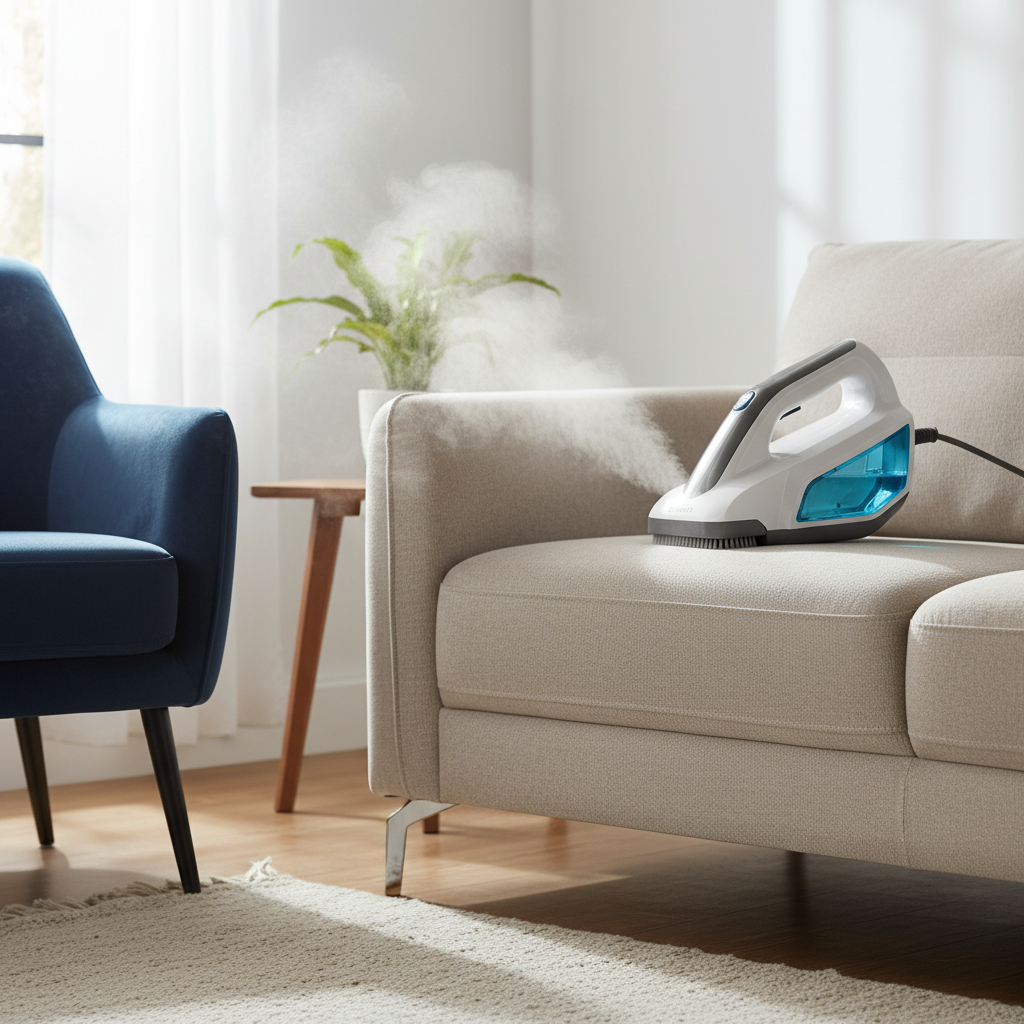
The frustration of a cold garment steamer when you’re ready to smooth out wrinkles can quickly derail your day. Handheld garment steamers are indispensable for quick touch-ups and refreshing fabrics, making them a staple in many households. But what happens when your trusty device refuses to heat up and produce that vital steam? The good news is that many common heating issues can be resolved with simple DIY troubleshooting and repair steps, saving you time and potentially the cost of a new unit.
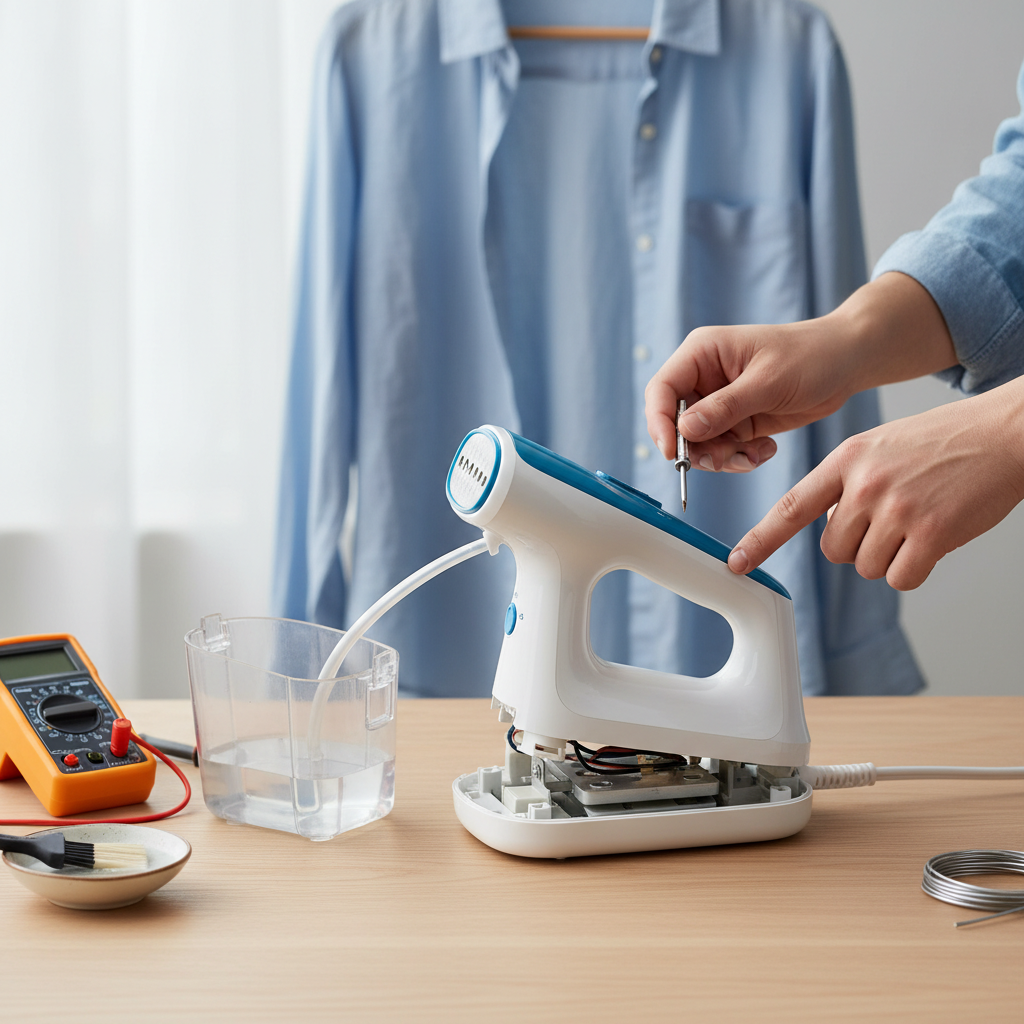
This guide will walk you through the inner workings of your handheld steamer, pinpoint the most frequent culprits behind a lack of heat, and provide actionable solutions to get your appliance steaming hot again. From basic checks to more involved descaling processes, we’ll empower you to diagnose and fix your steamer safely and efficiently.
Understanding Your Handheld Garment Steamer
A handheld garment steamer works on a deceptively simple principle: it heats water to create steam, which then relaxes fabric fibers to remove wrinkles. Water from the reservoir is typically pumped or gravity-fed to a heating element. This element rapidly boils the water, turning it into steam that is then expelled through a nozzle. For this process to work effectively, consistent heat is crucial. When your steamer fails to heat, it’s a direct indication that one or more parts of this heating mechanism are not functioning as intended.
Common Reasons Your Steamer Isn’t Heating Up
When your handheld garment steamer remains cold, several factors could be at play, ranging from simple oversights to more complex internal issues. Understanding these common causes is the first step toward effective troubleshooting.
Water-Related Issues
- Low Water Level: Most steamers are equipped with a safety mechanism that prevents the heating element from activating if the water reservoir is empty or the water level is too low. This protects the element from overheating and damage. If there’s no water, there’s no heat, and consequently, no steam.
- Mineral Buildup (Limescale): This is arguably the most prevalent issue, especially if you use hard tap water. Minerals like calcium and magnesium, present in hard water, accumulate over time and form limescale deposits. These deposits can coat the heating element, significantly reducing its efficiency and preventing water from reaching the optimal steaming temperature. They can also obstruct pathways, blocking steam flow and heat transfer.
- Blocked Nozzle/Steam Vents: As a direct consequence of mineral buildup, the small openings in the steamer’s nozzle or steam vents can become clogged. Even if the water is heating inside, the steam cannot escape, leading to the perception that the steamer isn’t working or heating properly.
|
Our Picks for the Best Handheld garment steamer in 2026
As an Amazon Associate I earn from qualifying purchases.
|
||
| Num | Product | Action |
|---|---|---|
| 1 | OGHom Portable Travel Handheld Steamer for Clothes, Garment Wrinkle Remover, 1000W Strong Penetrating Fabric Steamer, for Home, Office, Travel (ONLY FOR 120V) -White |

|
| 2 | Conair Handheld Garment Steamer for Clothes, Turbo ExtremeSteam 1875W Fabric Steamer, Portable Handheld Design, Strong Penetrating Steam, Amazon Exclusive, Black |
|
| 3 | Bear Steamer for Clothes, Handheld Clothes Steamer,1300W Strong Power Garment Steamer with 230ml Tank,Fast Heat-up, Auto-Off, Steam Iron Fabric Wrinkle Remover with Brush for Home and Travel |
|
| 4 | BEAUTURAL Steamer for Clothes, Portable Handheld Garment Fabric Wrinkles Remover, Aluminun Heating Plate, 35-Second Fast Heat-up, Large Detachable Water Tank (Only for 120V), Blue |
|
| 5 | HiLIFE Steamer for Clothes, Portable Handheld Clothing Steamer, 240ml Big Capacity, 700W, Strong Power, Fabric Quick Wrinkle Remover with Brush for Home, Office(ONLY 120V) -Blue |
|
| 6 | Conair Handheld Garment Steamer for Clothes, ExtremeSteam 1200W, Portable Handheld Design,White/Blue |
|
| 7 | Conair Handheld Garment Steamer for Clothes, Turbo ExtremeSteam 1875W Fabric Steamer, Portable Handheld Design, Strong Penetrating Steam, White/Champagne |
|
| 8 | Jack & Rose Travel Steamer for Clothes,100-220V Portable Iron,15s Heat Up,Steamer & Iron 2 In 1, Travel Size,Large Ceramic Heat Panel,for Global and Europe |
|
| 9 | HiLIFE Steamer for Clothes, Portable Handheld Design, 240ml Big Capacity, 700W, Strong Penetrating Steam, Removes Wrinkle, for Home, Office(ONLY FOR 120V)-Black |
|
| 10 | HiLIFE Upgraded Steamer for Clothes, Handheld & Portable, 1100W Powerful Steam, 300ml Big Capacity & No Leak Design, 30S Fast Heat-up, Quick Wrinkle Remover, Compact Size for Travel, ONLY 120V |
|
Electrical Problems
- Power Supply Issues: Before delving into internal components, it’s essential to check the basics. A steamer won’t heat if it’s not receiving power. This could be due to a loose plug, a faulty electrical outlet, or even a damaged power cord. A visual inspection can often reveal frayed wires or bent prongs.
- Faulty Heating Element: The heating element is the heart of your steamer. If it’s defective, it won’t be able to generate the necessary heat to turn water into steam. This is a common mechanical failure over time, often resulting in no heat whatsoever, even if power is supplied to the unit.
- Internal Wiring/Connections: Inside the steamer, a network of wires connects the power source to the heating element, sensors, and controls. Any loose, corroded, or damaged internal wiring can interrupt the electrical flow, preventing the heating element from receiving power.
- Pump Malfunction (for some models): In models that use a pump to draw water from the reservoir to the heating chamber, a malfunctioning pump can prevent water from reaching the heating element. Without water, the heating element may not activate or heat properly, even if it’s functional.
DIY Troubleshooting Steps: Getting Your Steamer Hot Again
Don’t despair if your steamer isn’t heating up; many problems can be fixed with a bit of DIY effort. Always prioritize safety by unplugging your steamer before any inspection or repair to avoid electrical hazards.
Basic Checks First
- Check Power Connection: Start by ensuring the steamer is securely plugged into a functional electrical outlet. Test the outlet with another small appliance, like a phone charger or a lamp, to confirm it’s providing power. Visually inspect the steamer’s power cord for any signs of damage, fraying, or cuts. If the cord is damaged, it’s best to replace it or consult a professional.
- Ensure Sufficient Water: This might seem obvious, but it’s a common oversight. Make sure the water reservoir is filled to the appropriate level with fresh water. Many steamers have a minimum water line, and if the water is below this, a safety sensor will prevent heating.
Tackling Mineral Buildup (Descaling)
Mineral buildup from hard water is a leading cause of steamers not heating or producing steam. Descaling is crucial for restoring function.
- Vinegar Solution Method:
- Unplug and Empty: Ensure the steamer is unplugged and completely empty of any water.
- Prepare Solution: Mix equal parts white vinegar and distilled water. Distilled water is recommended for descaling as it won’t introduce new minerals.
- Fill Reservoir: Carefully pour the vinegar solution into the steamer’s water reservoir, filling it to the maximum line.
- Soak (Optional but Recommended): For severe buildup, allow the solution to sit in the reservoir for 30 minutes to an hour, or even overnight if the manufacturer’s instructions permit. This helps to loosen stubborn deposits.
- Run the Steamer: Plug in the steamer and turn it on. Allow it to heat up and run until about half of the vinegar solution has been steamed out. Do this in a well-ventilated area, as the vinegar smell can be strong.
- Rinse Thoroughly: Unplug the steamer, empty any remaining vinegar solution, and rinse the reservoir thoroughly with fresh distilled water.
- Flush with Water: Refill the reservoir with distilled water and run the steamer again until it’s empty. Repeat this rinsing process 2-3 times to ensure all vinegar residue is flushed out. This prevents the vinegar smell from transferring to your clothes.
- Clearing Nozzle Blockages: If the steam vents appear clogged even after descaling, gently use a thin wire, a needle, or a toothpick to carefully dislodge any visible mineral deposits from the nozzle openings. Be careful not to damage the nozzle.
- Regular Maintenance: To prevent future buildup, it is highly recommended to use distilled water exclusively in your garment steamer. Additionally, make it a habit to descale your steamer every few months, or more frequently if you use it often or live in an area with very hard water.
Investigating Electrical Components (with caution)
While some electrical issues can be visually inspected, internal electrical repairs should be approached with extreme caution or left to professionals due to the risk of electric shock.
- Visual Inspection of Cord/Plug: Re-examine the power cord and plug for any visible damage like cuts, nicks, or scorch marks. If any damage is present, the cord should be replaced, or the steamer should be serviced by a professional.
- Testing the Outlet: As mentioned, test the outlet with another device to rule out a faulty wall socket. If the outlet is working, the problem lies with the steamer itself.
- When to Call a Professional/Replace: If, after performing basic checks and descaling, your steamer still doesn’t heat up, the issue likely points to a faulty heating element, internal wiring, a malfunctioning thermostat, or a control board problem. These components often require specialized tools and expertise to diagnose and replace. For your safety, unless you have experience with appliance repair and electrical work, it’s best to consult a professional technician or consider replacing the unit, especially if it’s an older or less expensive model where repair costs might exceed replacement value.
“Many steamer issues, particularly those related to mineral buildup, can be resolved with regular descaling. It’s a simple step that significantly extends the life and efficiency of your appliance.” – Admin, ReviewKF.com, Handheld Steamer Specialist
Preventing Future Heating Problems
Prevention is always better than cure. By adopting a few simple habits, you can significantly prolong the life and efficiency of your handheld garment steamer, ensuring it’s always ready to produce heat when you need it.
- Use Distilled Water: The single most effective way to prevent mineral buildup is to use distilled water instead of tap water. Distilled water has had its minerals removed, eliminating the source of limescale deposits. While some manufacturers claim their steamers can handle tap water, long-term use will inevitably lead to buildup.
- Regular Descaling Schedule: Even with distilled water, a small amount of residue can still accumulate over time. Establish a routine for descaling your steamer, perhaps once every 1-3 months depending on usage. This proactive approach prevents severe clogs and maintains heating efficiency.
- Proper Storage: After each use, empty any remaining water from the reservoir and allow the steamer to cool completely before storing it. Storing a steamer with water inside can encourage mineral and mold growth. Store it in a dry, upright position according to the manufacturer’s recommendations.
Buying Guide: When It’s Time for a New Steamer
Sometimes, despite your best DIY efforts, a steamer may be beyond repair, or the cost of fixing it outweighs its value. Knowing when to invest in a new steamer can save you further frustration and expense.
How Much Is Your Budget?
Consider the age and original cost of your current steamer. If it’s an older, budget-friendly model, the cost of parts and professional repair might quickly approach or even exceed the price of a brand-new unit.
- Entry-Level (Under $50): Often more disposable; repair might not be cost-effective.
- Mid-Range ($50-$100): Repairs might be justifiable if the issue is minor and parts are readily available.
- High-End ($100+): These models often come with better warranties and more robust components, making professional repair a more viable option.
Which Brands Are Trustworthy?
Look for brands known for their durability, performance, and good customer service. Popular and reputable brands often offer better spare part availability and support. Research brands like Conair, Philips, Rowenta, and PurSteam, among others, that consistently receive positive reviews for their handheld garment steamers. Also, consider their warranty policies and after-sales service.
Read Reviews from Other Users
Before making a purchase, always check online reviews on various retail sites and independent review platforms. Pay attention to feedback regarding:
- Durability and Longevity: How long do users report their steamers lasting?
- Heating Performance: Does it heat up quickly and consistently?
- Ease of Use and Maintenance: Is it easy to fill, clean, and descale?
- Common Issues: Are there recurring complaints about specific faults?
Conclusion
A handheld garment steamer that won’t heat up can be a nuisance, but by understanding the common causes and employing some straightforward DIY troubleshooting techniques, you can often restore your appliance to full functionality. From ensuring a proper power supply and adequate water levels to tackling the pervasive problem of mineral buildup through regular descaling, many issues are well within your capability to fix. Remember to prioritize safety in all your efforts. When faced with complex electrical failures or if the repair cost seems prohibitive, don’t hesitate to consult a professional or consider upgrading to a new, more efficient model. With proper care and timely maintenance, your handheld garment steamer will continue to keep your clothes looking crisp and wrinkle-free for years to come.
What’s your experience with a steamer that refused to heat up, and what was your ultimate fix?
Frequently Asked Questions
Can I use tap water in my garment steamer?
While some manufacturers state their steamers can use tap water, it’s highly recommended to use distilled water to prevent mineral buildup, which is a leading cause of heating and steaming issues.
How often should I descale my handheld steamer?
It depends on your usage and water hardness, but a good rule of thumb is every 1-3 months. If you use it frequently or have very hard water, you might need to descale more often.
Is it safe to open up my steamer to fix it?
Basic tasks like descaling and checking the power cord are safe. However, for internal electrical issues, such as a faulty heating element or wiring, it’s best to consult a professional technician to avoid electrical hazards.
My steamer hums but no steam, what’s wrong?
If your steamer hums but doesn’t produce steam, it often indicates that the heating element is working, but water isn’t reaching it or steam can’t escape. This could be due to a low water level, a clogged nozzle, or a malfunctioning pump in some models.
How long do handheld garment steamers typically last?
The lifespan of a handheld garment steamer varies greatly depending on the brand, model, usage frequency, and maintenance. With proper care, including using distilled water and regular descaling, many steamers can last several years.