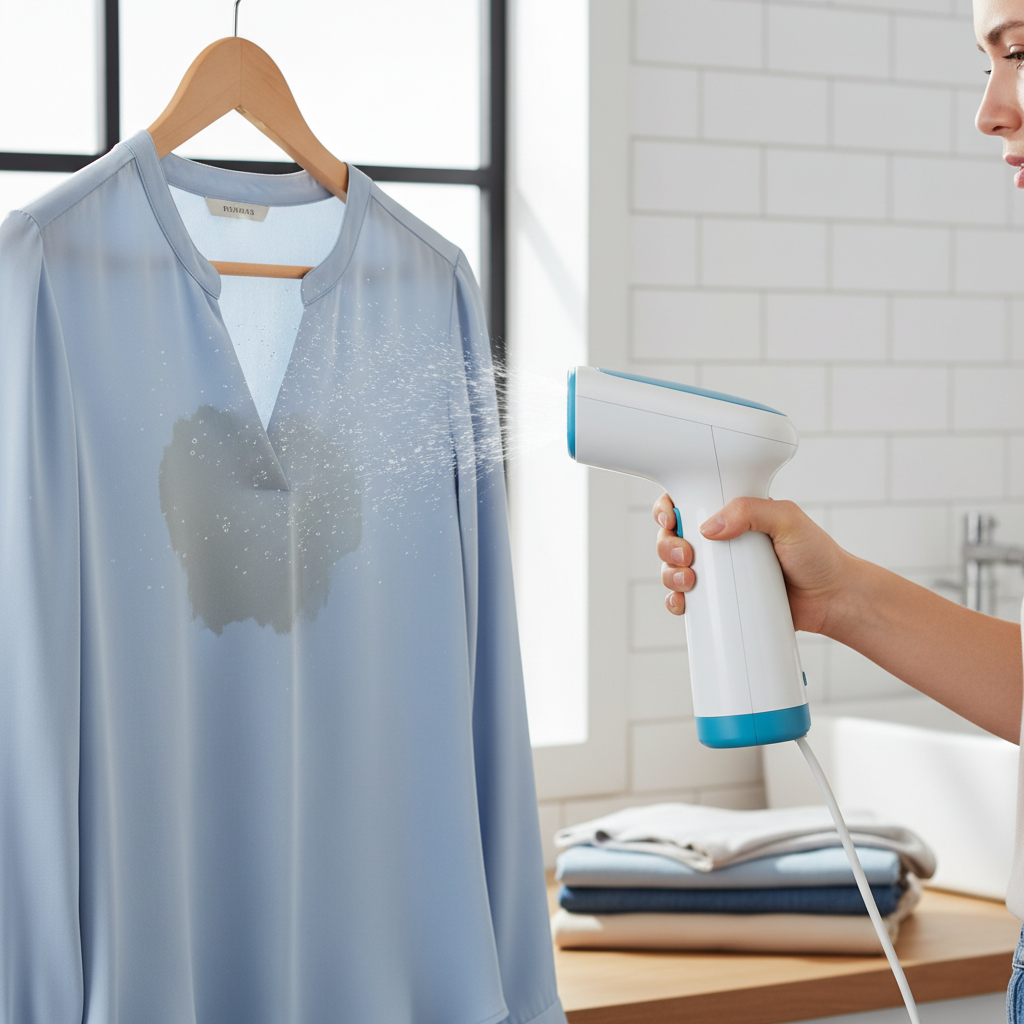
Crafting an intricate cosplay or designing a show-stopping costume is a labor of love, but nothing detracts from your masterpiece faster than stubborn wrinkles or a lackluster wig. Whether you’re preparing for a convention, a photoshoot, or a stage performance, a high-quality handheld garment steamer is an indispensable tool in your arsenal. It’s the secret weapon for maintaining pristine fabrics and perfectly styled wigs, ensuring your hard work shines through every detail.
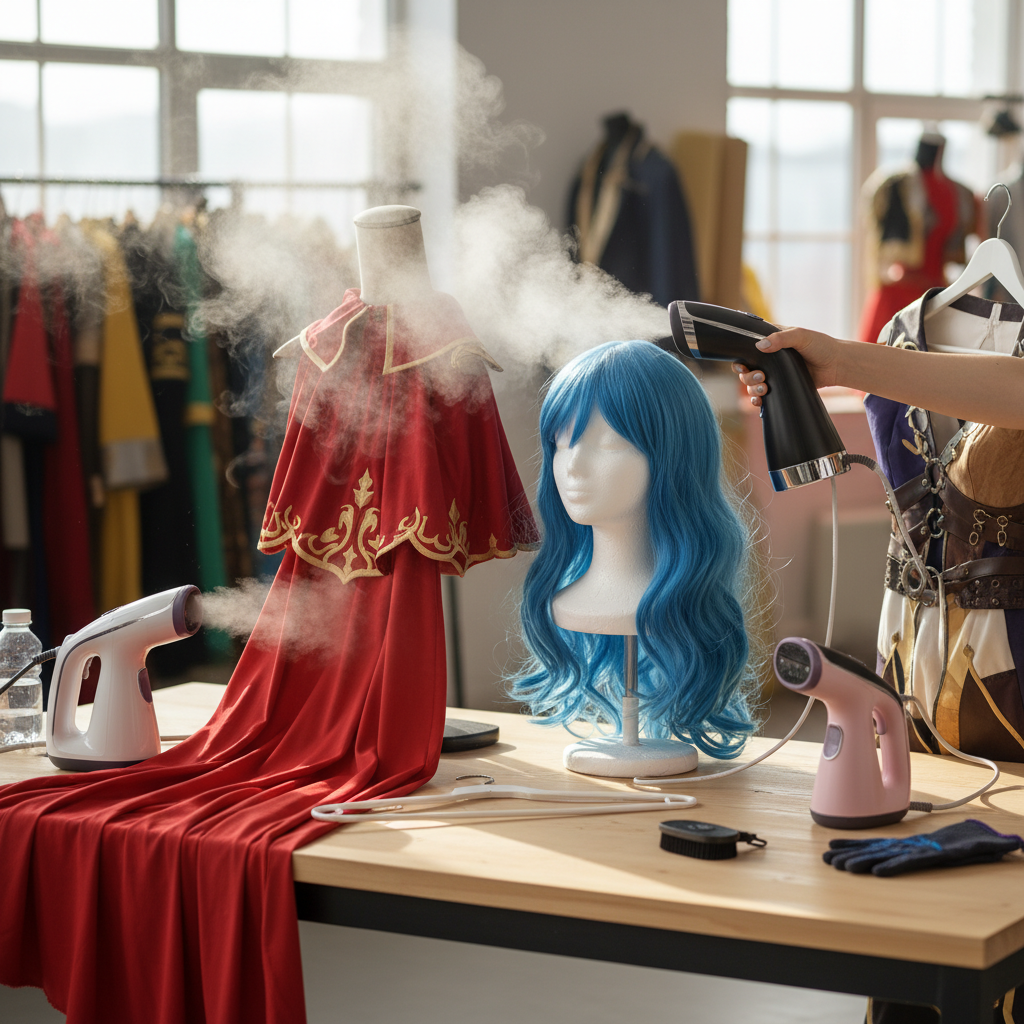
This comprehensive guide will navigate the world of garment steamers, focusing on what cosplayers and costume creators need in 2026. We’ll delve into different types, essential features, top models, and practical tips to help you choose and utilize the best steamer for your unique projects, transforming your creations from good to absolutely glorious.
What is a Handheld Garment Steamer?
A handheld garment steamer is a portable device that uses hot steam to gently relax and smooth fabric fibers, effectively removing wrinkles without direct contact from a hot plate. Unlike traditional irons, which press fabrics with heat and pressure, steamers utilize moisture and heat to de-crease garments in a more forgiving manner. This makes them significantly safer for delicate materials often found in cosplay, such as silks, satins, polyesters, and embellished fabrics, drastically reducing the risk of scorching, melting, or damaging intricate details.
For cosplayers, a steamer offers unparalleled versatility. It not only eliminates wrinkles from complex costume pieces that are difficult or impossible to iron flat, but it’s also a game-changer for styling synthetic wigs. The gentle heat helps to reshape fibers, allowing you to achieve everything from sleek straight styles to bouncy curls and gravity-defying spikes, without the harshness that can damage synthetic hair. It’s a faster, more flexible, and often gentler alternative for quick touch-ups and extensive costume care, ensuring your entire ensemble looks flawless from head to toe.
Classifying Handheld Garment Steamers for Cosplay
Garment steamers come in various forms, but for cosplayers, the distinctions often boil down to portability, power, and specialized features tailored for unique costume needs. Understanding these classifications helps in identifying a steamer that perfectly aligns with your crafting and presentation demands.
The primary types you’ll encounter are handheld models and upright or standing units. Handheld steamers are undeniably the most popular choice among cosplayers due to their compact size, lightweight design, and rapid heat-up times. These are ideal for last-minute touch-ups backstage, refreshing costumes on location, or easily styling wigs at your workstation. They offer immense convenience for travelers heading to conventions, easily fitting into luggage.
Upright or standing steamers, while less portable, offer larger water tanks and more powerful, continuous steam output. These are better suited for home studios or professional costume workshops where you might be steaming multiple, heavy-duty garments for extended periods. They often come with integrated hangers and adjustable poles, providing a more stable setup for steaming large or elaborate costumes. While excellent for high-volume tasks, their bulkiness makes them less practical for on-the-go use.
Beyond these main categories, some modern steamers incorporate hybrid functions, acting as both a steamer and a light iron, or feature innovative technologies like dry steam or suction for immediate drying. Popular brands frequently recommended for their reliability and performance in costume care include Conair, Philips, Rowenta, Jiffy, Steamery, and Neakasa, each offering models with varying strengths to suit different cosplay projects.
How to Choose the Perfect Steamer for Your Cosplay Needs
Selecting the right steamer for your cosplay can significantly impact your efficiency and the longevity of your costumes. It’s not just about removing wrinkles; it’s about preserving the integrity of delicate materials and executing precise styling. Consider your specific usage patterns and the nature of your projects.
Defining Your Cosplay Steaming Requirements
|
Our Picks for the Best Handheld garment steamer in 2026
As an Amazon Associate I earn from qualifying purchases.
|
||
| Num | Product | Action |
|---|---|---|
| 1 | HiLIFE Upgraded Steamer for Clothes, Handheld & Portable, 1100W Powerful Steam, 300ml Big Capacity & No Leak Design, 30S Fast Heat-up, Quick Wrinkle Remover, Compact Size for Travel, ONLY 120V |

|
| 2 | Conair Handheld Garment Steamer for Clothes, ExtremeSteam 1200W, Portable Handheld Design,White/Blue |
|
| 3 | BEAUTURAL Steamer for Clothes, Portable Handheld Garment Fabric Wrinkles Remover, Aluminun Heating Plate, 35-Second Fast Heat-up, Large Detachable Water Tank (Only for 120V), Blue |
|
| 4 | Conair Handheld Garment Steamer for Clothes, Turbo ExtremeSteam 1875W Fabric Steamer, Portable Handheld Design, Strong Penetrating Steam, Amazon Exclusive, Black |
|
| 5 | Bear Steamer for Clothes, Handheld Clothes Steamer,1300W Strong Power Garment Steamer with 230ml Tank,Fast Heat-up, Auto-Off, Steam Iron Fabric Wrinkle Remover with Brush for Home and Travel |
|
| 6 | OGHom Portable Travel Handheld Steamer for Clothes, Garment Wrinkle Remover, 1000W Strong Penetrating Fabric Steamer, for Home, Office, Travel (ONLY FOR 120V) -White |
|
| 7 | HiLIFE Steamer for Clothes, Portable Handheld Clothing Steamer, 240ml Big Capacity, 700W, Strong Power, Fabric Quick Wrinkle Remover with Brush for Home, Office(ONLY 120V) -Blue |
|
| 8 | HiLIFE Steamer for Clothes, Portable Handheld Design, 240ml Big Capacity, 700W, Strong Penetrating Steam, Removes Wrinkle, for Home, Office(ONLY FOR 120V)-Black |
|
| 9 | Conair Handheld Garment Steamer for Clothes, Turbo ExtremeSteam 1875W Fabric Steamer, Portable Handheld Design, Strong Penetrating Steam, White/Champagne |
|
| 10 | Jack & Rose Travel Steamer for Clothes,100-220V Portable Iron,15s Heat Up,Steamer & Iron 2 In 1, Travel Size,Large Ceramic Heat Panel,for Global and Europe |
|
Before diving into specifications, think about how and where you’ll primarily use your steamer. If you’re a frequent convention-goer, prioritizing a lightweight, compact, and highly portable model is crucial. Look for steamers that fit easily into a carry-on and ideally offer dual voltage for international travel, ensuring you can keep your costumes pristine wherever your adventures take you. For those who primarily work at home or in a dedicated workshop, a model with a larger water tank and greater steam output might be more beneficial, allowing for longer, uninterrupted steaming sessions.
Consider the types of fabrics you commonly use. Are your costumes primarily made from delicate polyesters, silks, or embellished materials that require a gentle touch? Or do you frequently work with heavier fabrics, layered constructions, or intricate props involving foam armor and vinyl accents that need stronger, more penetrating steam? Your frequency of use also plays a role: an occasional cosplayer might opt for a budget-friendly handheld unit, while a professional or prolific creator may benefit from a more durable, higher-capacity model.
Key Technical Features for Cosplayers
Several technical specifications are paramount when choosing a steamer, directly impacting its performance and suitability for cosplay:
- Wattage and Steam Output: Higher wattage (typically 1500W-1875W for handhelds) generally translates to more powerful and consistent steam, which is essential for quickly removing stubborn wrinkles from heavier fabrics and efficiently styling wigs. Powerful steam can penetrate thicker costume layers more effectively.
- Water Tank Capacity & Continuous Steam Time: A larger water tank means longer continuous steaming sessions without the need for frequent refills. For an entire costume or multiple wig styling tasks, a tank that offers at least 10-15 minutes of continuous steam (e.g., 7-10 ounces) is ideal. Removable water tanks simplify refilling.
- Heat-Up Time: In the fast-paced world of conventions or last-minute preparations, a quick heat-up time (30-45 seconds) is invaluable. Nobody wants to wait around when a wrinkle needs immediate attention.
- Weight & Size: For portability, especially when traveling to events, a lightweight and compact design is critical. Models weighing under 2 lbs (around 900g) are excellent choices for minimizing luggage bulk.
- Cord Length: A longer power cord provides greater flexibility and reach, allowing you to move freely around your costume or workstation without being tethered to an outlet.
Essential Additional Features for Costumes & Wigs
Beyond the core technical specs, certain features enhance a steamer’s utility for cosplayers:
- Multiple Steam Settings: The ability to adjust steam intensity is crucial for handling a variety of fabrics, from delicate chiffons to sturdy denim, and even for precise wig styling. Some advanced models offer settings from low to “turbo.”
- Vertical and Horizontal Steaming: Steamers that can be used both vertically (for hanging garments) and horizontally (for collars, pleats, or flat-laying costume pieces) offer greater flexibility and precision, especially for structured costumes or hard-to-reach areas.
- Safety Features: Automatic shut-off functions (when overheated or out of water) prevent accidents and prolong the life of your device. Anti-leakage designs are vital to protect your costumes from water spots. Features like smart touch sensors can also minimize burn risks.
- Attachments: Look for steamers that come with useful attachments such as fabric brushes (to lift fibers and tackle heavier fabrics), lint removers, or creasing tools.
- Special Technologies: Some innovative steamers feature dry steam technology, which prevents costumes from becoming damp, or even suction technology for instant drying and one-handed ironing, like the Neakasa Magic 1. These advancements can significantly streamline your costume care routine.
Top Steamers for Cosplay and Costumes in 2026: A Detailed Comparison
Choosing the right steamer can make all the difference in preparing your cosplay. Here’s a comparison of some of the leading models in 2026, highlighting their strengths and considerations specifically for cosplayers:
| Brand | Model | Power | Tank Capacity | Heat-up Time | Continuous Steam | Key Advantages (Cosplay Focus) | Considerations |
|---|---|---|---|---|---|---|---|
| Conair | Turbo ExtremeSteam Handheld | 1875W | 7.3 oz | ~40 sec | ~15 min | Powerful, 5 settings for varied fabrics/wigs, good value. | Potential water leakage, arm fatigue on long sessions. |
| Philips | 5000 Series Handheld | (High) | (Smaller) | ~30 sec | (Moderate) | Vertical/horizontal use, fabric-safe for delicate costumes. | Smaller tank limits long sessions, less effective on very thick fabrics. |
| Jiffy | Steamer J-2000 (Upright) | (High) | 0.75 gal | ~120 sec | ~5 hours | Heavy-duty, large capacity for multiple items, very durable. | Bulky, not portable, long heat-up time. |
| Beautural | Handheld Steamer | (Budget) | (Small) | ~30 sec | (Short) | Budget-friendly, compact, fast heat-up for quick touch-ups. | Limited power for heavy fabrics, small water tank. |
| Steamery | Cirrus 3 Iron Steamer | (Hybrid) | (Compact) | ~25 sec | (Moderate) | Dry steam (no dampness), smart sensor, compact, ideal for travel. | Water reservoir filling can be inconvenient, unstable steam reported. |
| Neakasa | Magic 1 Vacuum Steamer | (High) | (Small) | ~30 sec | (Moderate) | Innovative steam+vacuum, instant drying, portable (900g). | Small water tank requires frequent refills. |
| Rowenta | X-Cel Steam+ | (Strong) | (Moderate) | ~40 sec | (Good) | Strong, consistent steam for wide fabric range, quick heat-up. | Slightly bulky for travel compared to ultra-compact. |
| Rowenta | Home Steam (Full-size) | 1600W | 47 oz | (Standard) | ~35 min | Large tank, adjustable steam, vertical board for large costumes. | Less portable, requires more storage space, some sturdiness concerns. |
“For cosplayers, a handheld steamer isn’t just about removing wrinkles; it’s about precise control for delicate fabrics and the artistry of shaping synthetic hair. The ability to gently mold a wig into its perfect form or smooth a complex layered costume without damage is invaluable.”
Mastering Your Cosplay Steamer: Usage and Maintenance Tips
A steamer is a powerful tool, but knowing how to use it safely and effectively, especially on unique cosplay materials, is key. Proper maintenance will also ensure your device performs optimally for many conventions to come.
When steaming delicate costume materials like painted fabrics, foam armor, or vinyl accents, always maintain a distance of at least 1-2 inches between the nozzle and the material. This controlled application prevents excessive heat exposure that could melt adhesives, distort foam, or damage sensitive finishes. Work in short, controlled passes, allowing the steam to relax the fibers gently. For layered costumes, you may need to steam each layer individually if possible to ensure all wrinkles are addressed.
For wig styling, a steamer is a fantastic alternative to flat irons, which can easily melt synthetic fibers. Use the steam to gently heat the wig fibers, then shape them as desired (e.g., straightening, curling with rollers, creating spikes). Hold the shaped fibers in place until they cool completely to set the style. The moisture from the steam also helps to make fibers more pliable and easier to brush through tangles. Start with a lower steam setting and gradually increase if needed, always testing on an inconspicuous area first.
Regular maintenance is vital for the longevity of your steamer. Always use distilled water to prevent mineral buildup, which can clog the internal components and reduce steam output. If you must use tap water, descale your steamer periodically according to the manufacturer’s instructions. After each use, empty any remaining water from the tank and allow the unit to cool completely before storing. Regularly wipe down the nozzle and exterior to keep it clean. Common issues like inconsistent steam or spitting water can often be resolved by descaling or ensuring the water tank is filled correctly. If a steamer is leaking, check that the water tank is properly sealed and not overfilled.
Where to Purchase Your Next Cosplay Steamer
Acquiring the right steamer for your cosplay needs involves considering convenience, product availability, and ensuring you get a reliable device. You have several options for purchasing, each with its own benefits.
Online retailers like Amazon, direct brand websites (e.g., Conair, Philips, Rowenta, Neakasa), and specialized craft or cosplay supply stores offer the widest selection. Shopping online provides the convenience of browsing numerous models, comparing specifications and prices, and reading extensive user reviews—including those from fellow cosplayers—from the comfort of your home. Always check for current sales, shipping policies, and the seller’s return policy. When buying from brand websites, you might find exclusive models or direct support.
Traditional brick-and-mortar electronics stores, department stores, and home goods retailers also carry a range of garment steamers. While the selection might be smaller, these stores offer the advantage of seeing the product firsthand, feeling its weight, and sometimes even testing its basic functions. This can be beneficial for handheld models where ergonomic comfort is important. Additionally, you can receive immediate assistance from sales associates and take the product home the same day.
Regardless of where you purchase, always prioritize retailers and brands that offer clear warranties and good customer service. A solid warranty provides peace of mind, protecting your investment against potential defects. Reading recent reviews, especially those mentioning the steamer’s performance on delicate fabrics or for travel, can offer valuable insights into its real-world suitability for cosplay.
The Cosplayer’s Buying Guide
Making an informed decision about your steamer involves more than just picking a popular model. It’s about aligning the device with your personal budget, trusting the brand, and learning from the experiences of other cosplayers.
Budgeting for Your Steamer
Garment steamers come in a wide price range, from budget-friendly handheld units under $50 to professional-grade upright models exceeding $200. For cosplayers, particularly those just starting out or only attending a few conventions a year, an entry-level to mid-range handheld steamer is often sufficient. These models offer a good balance of portability, effectiveness for wrinkle removal, and basic wig styling capabilities without a significant investment. As your cosplay projects become more frequent or intricate, you might consider upgrading to a more powerful or specialized model with a larger water tank and advanced features. Always compare prices across different retailers, both online and in-store, to ensure you’re getting the best deal. Factor in potential long-term value, as a slightly more expensive but durable steamer might save you money in replacements down the line.
Reputable Brands in Costume Care
Several brands have established themselves as reliable choices for garment steamers. Conair is frequently cited for its powerful and value-oriented handheld steamers, often found in “best of” lists for their performance. Philips is recognized for versatile handheld models that excel on delicate fabrics and offer ergonomic designs. Jiffy Steamer is a long-standing name, particularly for its durable, heavy-duty upright steamers favored by professionals. Newer innovators like Neakasa are introducing unique technologies, such as vacuum-assisted steaming, which can be a game-changer for instant drying. Rowenta also offers a range of reliable steamers, from compact handhelds to full-size home models. Investigating these well-regarded brands ensures you’re investing in a product known for quality and performance. Also, research their warranty policies and customer support, which are indicators of a brand’s commitment to its products.
Leveraging Cosplayer Reviews & Community Feedback
One of the most valuable resources for choosing a cosplay steamer is the feedback from other users, especially within the cosplay community. Online forums, social media groups, and product review sections can offer real-world insights into how a particular steamer performs on synthetic wigs, delicate costume fabrics, and during convention travel. Pay attention to comments regarding:
- Durability: Does the steamer hold up to frequent use? Are there reports of leaks or malfunctions after a few months?
- Performance: How effectively does it remove wrinkles from various fabric types? Is the steam consistent?
- Portability: Is it truly travel-friendly? Does it handle different voltages if you travel internationally?
- Wig Styling: Are cosplayers successfully using it to style synthetic wigs without damage?
These testimonials provide practical perspectives that go beyond marketing claims and can help you identify a steamer that is truly tried and tested for the specific demands of costume care.
Conclusion
A high-quality handheld garment steamer is an indispensable tool for any cosplayer or costume enthusiast, transforming challenging wrinkle removal and wig styling into a seamless process. From quickly refreshing a delicate gown backstage to meticulously shaping a synthetic wig, the right steamer protects your intricate creations while ensuring they look their absolute best. By considering factors like portability, steam power, water tank capacity, and specialized features such as multiple settings or innovative drying technologies, you can select a device perfectly tailored to your unique needs.
Whether you opt for a powerful handheld model like the Conair Turbo Extreme Steam, a versatile option like the Philips 5000 Series, or an innovative device like the Neakasa Magic 1, investing in a good steamer is an investment in the longevity and flawless presentation of your cosplays. It simplifies your routine, elevates your craftsmanship, and helps you achieve that polished, professional look every time. Which steamer will become your next essential companion for convention season 2026?
Frequently Asked Questions
Are garment steamers safe for all cosplay fabrics, including delicate ones?
Yes, garment steamers are generally safe for most cosplay fabrics, even delicate ones like silk, polyester, and spandex, as they use gentle steam rather than direct heat and pressure. Always maintain a slight distance from the fabric and test on an inconspicuous area first, especially for materials with paint, embellishments, or foam.
Can a handheld steamer effectively style synthetic wigs for cosplay?
Absolutely! Handheld steamers are highly effective for styling synthetic wigs. The hot, moist steam helps to relax the wig fibers, allowing you to straighten, curl, spike, or reshape the wig without the risk of melting that can occur with direct heat from a flat iron. Remember to hold the desired shape until the fibers cool to set the style.
What’s the difference between a handheld steamer and an upright steamer for cosplayers?
Handheld steamers are compact, lightweight, and portable, making them ideal for quick touch-ups at conventions and travel. Upright steamers are larger, have greater water capacity for longer continuous steaming, and are generally more powerful, making them suitable for extensive home use or professional workshops, but they are not portable.
How important is heat-up time for a cosplay steamer?
Heat-up time is crucial for cosplayers, especially for last-minute preparations at events or before photoshoots. Steamers that heat up in 25-45 seconds allow for quick wrinkle removal and styling, saving valuable time when you’re on a tight schedule.
Do I need a dual-voltage steamer if I travel internationally for conventions?
If you plan to attend international conventions, a dual-voltage handheld steamer is highly recommended. This feature allows the steamer to operate safely in countries with different electrical standards (e.g., 100-120V in North America vs. 220-240V in Europe), eliminating the need for a separate voltage converter.