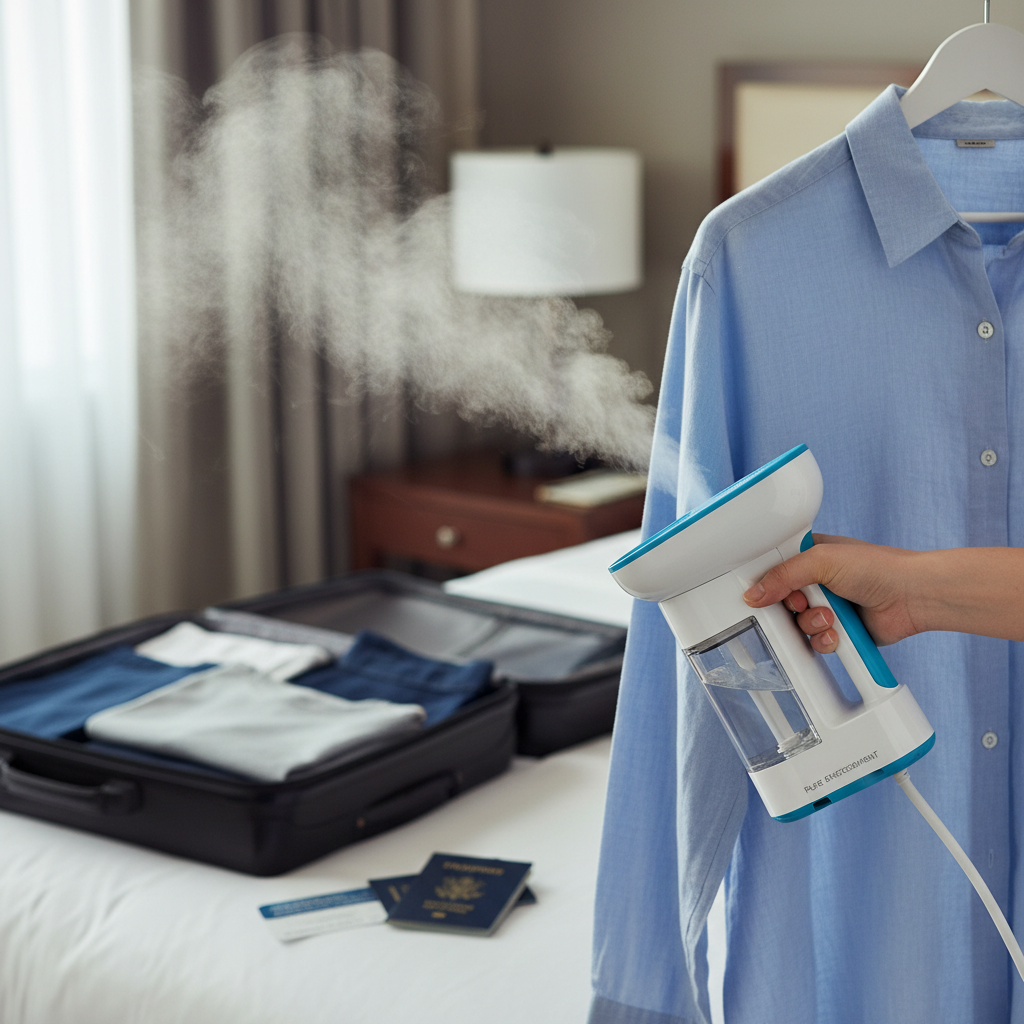
In the fast-paced world of modern living, a handheld garment steamer has become an indispensable tool for many, offering a quick and gentle way to refresh clothes and banish wrinkles. Unlike traditional irons that press and flatten fabrics, steamers relax the fibers with hot vapor, making them ideal for delicate materials and complex garments. However, even with this convenient device, common errors can diminish its effectiveness, shorten its lifespan, and even damage your cherished clothing. Understanding these prevalent missteps is the first step toward mastering your handheld garment steamer and ensuring your wardrobe always looks its best.
What is a Handheld Garment Steamer?
A handheld garment steamer is a compact, portable appliance designed to smooth out wrinkles and freshen fabrics using hot steam. It typically consists of a water tank, a heating element, and a nozzle that emits a continuous stream of vapor. This gentle process makes it a preferred choice over traditional irons for many, as it avoids direct heat contact that can scorch or flatten delicate fabrics. Steaming is not only faster for many items but also helps sanitize clothes by killing bacteria and can be used on a variety of household textiles like curtains and upholstery, extending its utility beyond just your closet.
Types of Handheld Garment Steamers
Handheld garment steamers come in various designs and power levels, each suited for different needs, and understanding these can indirectly help avoid mistakes. Smaller, travel-sized models are incredibly portable but often have limited water tank capacity, requiring frequent refills. Mid-range steamers offer a balance of power and portability, suitable for daily home use. More powerful models, while still handheld, may have larger tanks and stronger steam output for tougher wrinkles. Regardless of the type, general maintenance practices and proper usage techniques are critical for every handheld garment steamer’s longevity and performance. Features like automatic shut-off can prevent damage from overheating if the water tank runs dry, highlighting how even basic design elements can mitigate user errors.
Common Mistakes That Ruin Your Handheld Garment Steamer
Avoiding common operational and maintenance errors is paramount to preserving your handheld garment steamer and ensuring it delivers flawless results every time. Many users inadvertently make mistakes that can lead to mineral buildup, reduced efficiency, and even permanent damage to the appliance or your clothes.
Neglecting Water Quality and Tank Care
One of the most frequent errors that compromises a handheld garment steamer’s performance and lifespan relates to water usage.
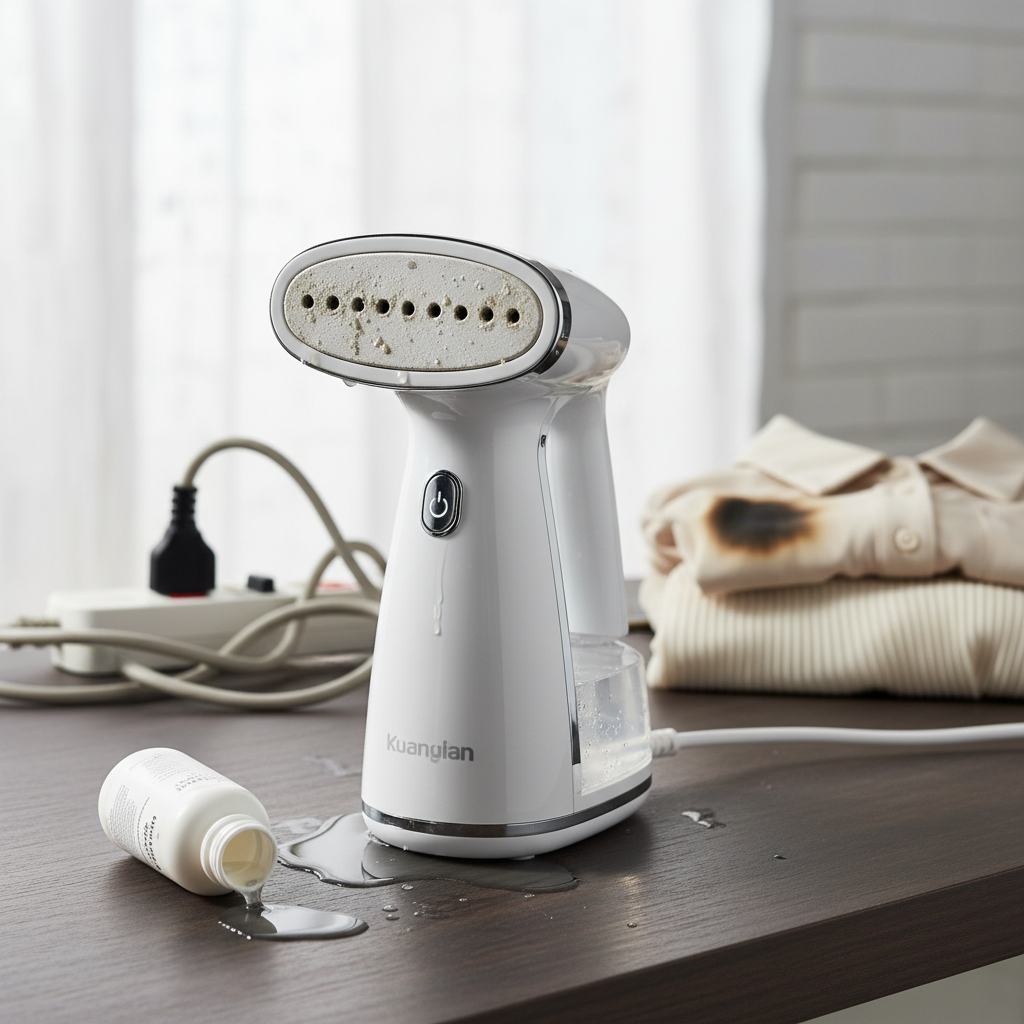
- Using Tap Water: The minerals present in ordinary tap water are the steamer’s worst enemy. Over time, these minerals accumulate inside the appliance, forming limescale and clogs that can drastically reduce steam output, block nozzles, and eventually lead to complete malfunction. This buildup can also cause the steamer to spit water, potentially discoloring your clothes. Always opt for distilled or demineralized water to prevent this insidious problem.
- Leaving Water in the Tank: It’s easy to forget, but leaving water in the tank after use creates a breeding ground for bacteria and mold, leading to unpleasant odors. Stagnant water can also exacerbate mineral buildup. Make it a habit to empty the water reservoir after every steaming session and allow it to air dry completely.
|
Our Picks for the Best Handheld garment steamer in 2026
As an Amazon Associate I earn from qualifying purchases.
|
||
| Num | Product | Action |
|---|---|---|
| 1 | Conair Handheld Garment Steamer for Clothes, ExtremeSteam 1200W, Portable Handheld Design,White/Blue |

|
| 2 | Conair Handheld Garment Steamer for Clothes, Turbo ExtremeSteam 1875W Fabric Steamer, Portable Handheld Design, Strong Penetrating Steam, Amazon Exclusive, Black |
|
| 3 | HiLIFE Steamer for Clothes, Portable Handheld Clothing Steamer, 240ml Big Capacity, 700W, Strong Power, Fabric Quick Wrinkle Remover with Brush for Home, Office(ONLY 120V) -Blue |
|
| 4 | OGHom Portable Travel Handheld Steamer for Clothes, Garment Wrinkle Remover, 1000W Strong Penetrating Fabric Steamer, for Home, Office, Travel (ONLY FOR 120V) -White |
|
| 5 | Conair Handheld Garment Steamer for Clothes, Turbo ExtremeSteam 1875W Fabric Steamer, Portable Handheld Design, Strong Penetrating Steam, White/Champagne |
|
| 6 | BEAUTURAL Steamer for Clothes, Portable Handheld Garment Fabric Wrinkles Remover, Aluminun Heating Plate, 35-Second Fast Heat-up, Large Detachable Water Tank (Only for 120V), Blue |
|
| 7 | Jack & Rose Travel Steamer for Clothes,100-220V Portable Iron,15s Heat Up,Steamer & Iron 2 In 1, Travel Size,Large Ceramic Heat Panel,for Global and Europe |
|
| 8 | Bear Steamer for Clothes, Handheld Clothes Steamer,1300W Strong Power Garment Steamer with 230ml Tank,Fast Heat-up, Auto-Off, Steam Iron Fabric Wrinkle Remover with Brush for Home and Travel |
|
| 9 | HiLIFE Upgraded Steamer for Clothes, Handheld & Portable, 1100W Powerful Steam, 300ml Big Capacity & No Leak Design, 30S Fast Heat-up, Quick Wrinkle Remover, Compact Size for Travel, ONLY 120V |
|
| 10 | HiLIFE Steamer for Clothes, Portable Handheld Design, 240ml Big Capacity, 700W, Strong Penetrating Steam, Removes Wrinkle, for Home, Office(ONLY FOR 120V)-Black |
|
Poor Cleaning and Maintenance Habits
Even with the right water, a lack of regular cleaning will inevitably lead to issues.
- Infrequent Descaling: If mineral deposits do form, regular descaling is crucial. Neglecting this maintenance allows clogs to solidify, making them harder to remove and impairing steam flow. A common recommendation is to descale your steamer every two to four weeks with a mixture of equal parts white vinegar and distilled water to dissolve mineral buildup. As laundry expert Alicia Sokolowski notes, “To keep your steamer working at peak performance, you should clean it every two to four weeks.”
- Ignoring Clogged Nozzles: Blocked steam outlets will either prevent steam from escaping entirely or cause it to sputter unevenly, leaving streaks on your clothes. Regularly inspect the steam holes for any residue and gently clear them if needed.
- Not Cleaning Exterior: While internal care is critical, ignoring the exterior can lead to rust and corrosion if moisture is left on the device. Wipe down your handheld garment steamer with a dry towel after each use and store it in a dry environment.
Incorrect Steaming Techniques
Even with a perfectly maintained steamer, improper technique can lead to unsatisfactory results or damage.
- Insufficient Garment Preparation: Before steaming, take a moment to prepare your clothes. Shake them out, smooth them with your hands, and ensure pockets are empty. Failing to do so can make the steamer work less effectively and potentially damage items like buttons or brooches.
- Moving the Steamer Too Quickly: Rushing the steaming process is a common mistake. The steam needs sufficient time to penetrate the fabric fibers and relax wrinkles. Move the steamer slowly and evenly over the garment, allowing the hot vapor to do its job. For stubborn creases, a few extra seconds of concentrated steam can make a difference.
- Improper Steamer Position/Angle: Most handheld garment steamers are designed to be used in a vertical position. Tilting the steamer too far forward can cause water to leak or spit from the nozzle, potentially staining your clothes or causing burns. Always keep the steamer upright for optimal performance and safety.
- Not Keeping Fabric Taut: When steaming, simply letting a garment hang loosely often leads to wrinkles drying back into place. For the best results, use your free hand to gently pull the bottom of the fabric taut as you steam. This stretches the fibers, allowing them to dry smoothly.
- Steaming Too Close to Delicate Fabrics: While many fabrics can tolerate direct contact with the steamer head, delicate materials like silk, chiffon, or satin require more caution. Holding the nozzle too close can lead to watermarks or even damage. Maintain a distance of at least one inch from such fabrics. As expert Alicia Sokolowski advises, “It is important not to go too close to the fabric, especially if it is a delicate fabric.”
- Ignoring Steam Settings for Different Fabrics: Many advanced handheld garment steamers offer different steam settings. Using a high setting on delicate silk can cause harm, while a low setting on heavy cotton might be ineffective. Always consult your steamer’s manual and the garment’s care label to choose the appropriate setting.
- Steaming Unsuitable Materials: Not all fabrics are steamer-friendly. Suede, leather, and waxed jackets should generally be avoided, as steam can melt, damage, or permanently alter their texture and appearance. These items are best left to professional cleaning.
- Steaming Dirty Clothes: A garment steamer is excellent for refreshing clothes and removing wrinkles, but it is not a substitute for washing. Steaming dirty or stained clothes can set stains and odors deeper into the fabric, making them harder to remove later. Ensure garments are clean before steaming.
- Starting Steaming Too Soon: When you first turn on your steamer, resist the urge to immediately apply it to your clothes. Allow the device to heat up completely, typically 30 to 60 seconds after the first steam appears, until the steam flow is consistent and steady. This prevents the steamer from spitting out water residue onto your garments.
- Not Using Accessories: Many steamers come with attachments like fabric brushes, creasing tools, or heat-protective gloves. Neglecting these accessories is a missed opportunity to optimize results. Brushes can help lift fibers on heavier fabrics, while gloves protect your hands when pulling fabric taut.
Post-Steaming and Storage Blunders
The final steps after steaming are just as important for maintaining garment quality and steamer integrity.
- Not Letting Garments Cool Down: Freshly steamed clothes are damp and warm. Folding them or wearing them immediately can cause new wrinkles to form quickly. Allow garments to cool and dry completely on a hanger before storing or wearing.
- Improper Storage: Beyond emptying the water tank, ensure your handheld garment steamer is completely cooled down and dry before storing it. Storing a damp steamer can lead to internal corrosion or mold growth, especially if packed away in a confined space.
How to Choose a Handheld Garment Steamer to Avoid Future Issues
Selecting the right handheld garment steamer from the outset can prevent many common problems and ensure a longer, more efficient life for your appliance. Consider features that align with your typical usage and fabric types.
Consider Power and Steam Output
Higher wattage generally translates to faster heat-up times and stronger, more consistent steam output, which is crucial for effectively tackling stubborn wrinkles and thicker fabrics. A steamer with insufficient power might require more passes, leading to user frustration and less effective results.
Water Tank Capacity and Type
Think about how often you’ll be steaming. A larger water tank means longer continuous steaming without refills, ideal for multiple garments or larger items. Also, consider models designed with easy-to-clean tanks that deter mineral buildup, or those specifically recommending distilled water in their manuals.
Essential Safety Features
Modern handheld garment steamers often include safety features like automatic shut-off when the water runs low or the unit overheats. These features not only protect the appliance from damage but also enhance user safety, especially if you occasionally forget to monitor the water level.
Portability and Ergonomics
If you plan to travel frequently with your steamer, choose a lightweight, compact model. For home use, ergonomic design and a comfortable grip can make longer steaming sessions less tiring. Consider where you will store it, ensuring it fits your space when not in use.
Comparing Popular Handheld Garment Steamers
While specific model recommendations can vary, understanding general categories and their potential pitfalls can guide your choice.
| Brand | Model | Power | Tank Capacity | Price (Est.) | Pros | Cons |
|---|---|---|---|---|---|---|
| SteamEase | ProCompact | 1200W | 150ml | $45 | Fast heat-up, lightweight for travel | Small tank, requires frequent refills for multiple items |
| WrinkleAway | MightySteam | 1500W | 250ml | $60 | Strong, continuous steam for tough wrinkles | Can be heavier, might take longer to cool down |
| SmoothGlide | TravelPal | 1000W | 100ml | $30 | Ultra-portable, budget-friendly | Lower steam output, more prone to calcification if tap water is used |
Maximizing Your Steamer’s Lifespan: Usage and Care Tips
Ensuring the longevity and optimal performance of your handheld garment steamer relies on consistent proper usage and a proactive maintenance routine. Regular care prevents common issues that can lead to frustration and premature failure.
Safe and Effective Use:
Always ensure the steamer is fully heated before use to avoid spitting water. Maintain the correct vertical position and move the steamer slowly and deliberately over taut fabric to allow steam to effectively relax fibers. Remember to keep a safe distance from delicate materials. Expert Jonathon Reckles highlights the gentle nature of steaming, stating, “Steaming rather than ironing garments helps preserve the integrity of the fabric.” This gentleness is maximized with correct technique.
Regular Cleaning and Maintenance Schedule:
- Empty the Water Tank: After every use, empty any remaining water from the tank and allow it to air dry. This prevents mineral buildup and bacterial growth.
- Descale Regularly: Depending on your usage and water hardness, descale your steamer every 2-4 weeks using a white vinegar and distilled water solution. Run the solution through the steamer until the tank is empty, then rinse with fresh distilled water.
- Wipe Down Exterior: Keep the outer casing clean and dry to prevent rust and ensure proper functioning.
- Inspect Nozzles: Periodically check the steam nozzles for any blockages and clear them gently.
Troubleshooting Common Issues:
If your steamer isn’t producing steam, check the water level, ensure the tank is properly seated, and verify the device is upright. Leaking water often stems from overfilling the tank or using it in an incorrect, non-vertical position. Addressing these simple points can often resolve common performance problems and keep your handheld garment steamer working efficiently.
Where to Buy Quality Handheld Garment Steamers
When it’s time to purchase a new handheld garment steamer, choosing a reputable vendor ensures you get a quality product with reliable support.
- Electronics Stores: Major electronics retailers and department stores often carry a wide selection of steamers from well-known brands. Shopping in person allows you to compare models, assess their weight and feel, and ask sales associates questions.
- Online Retailers: Websites like Amazon, Best Buy, and brand-specific online stores offer an extensive range of options, often with competitive pricing and detailed customer reviews. Be sure to check the seller’s return policy and warranty information.
- Specialty Home & Laundry Stores: Some stores specialize in home appliances or laundry care, providing expert advice and a curated selection of steamers.
When buying online, always read recent customer reviews to gauge product durability and common issues. Verify warranty coverage and customer service options before making a purchase.
Buying Guide for Longevity
Investing in a handheld garment steamer means considering not just its immediate price but also its long-term value and reliability. Making an informed decision now can save you hassle and money down the road.
Your Budget vs. Long-Term Value
While budget-friendly steamers are appealing, consider the trade-offs. More expensive models often come with better build quality, advanced features, and more durable components that resist mineral buildup or are easier to clean. Sometimes, paying a little more upfront for a robust model can prevent frequent replacements or costly repairs. Assess the average lifespan reported in reviews versus the price.
Reputable Brands and Warranty
Stick with well-established brands known for quality small appliances. These brands typically offer better customer support, readily available replacement parts, and more comprehensive warranty policies. A good warranty provides peace of mind, covering potential manufacturing defects. Research the brand’s reputation for after-sales service and product reliability.
User Reviews: What to Look For
Customer reviews are invaluable. Look beyond just star ratings and focus on detailed feedback about durability, steaming consistency, ease of cleaning, and common complaints. Pay attention to comments regarding mineral buildup, leaking, or sudden failures, as these directly relate to the common mistakes discussed. Reviews that mention positive experiences with customer support or warranty claims are also a good sign of a trustworthy product.
Conclusion
Mastering your handheld garment steamer is less about innate skill and more about avoiding a few common, yet easily rectifiable, mistakes. From consistently using distilled water and performing regular descaling to employing correct steaming techniques and allowing garments to cool, each step contributes significantly to both the longevity of your device and the perfection of your clothes. By heeding these practical tips, you can extend the life of your steamer, enhance its performance, and ensure wrinkle-free results every time. What proactive steps will you take today to safeguard your handheld garment steamer and elevate your fabric care routine?
Frequently Asked Questions
Why does my handheld garment steamer spit water instead of steam?
Water spitting often occurs if you don’t allow your steamer to fully heat up before use, or if there’s residual water left in the nozzle from a previous session. Always let the steamer run for at least 30-60 seconds after the first steam appears to ensure a consistent, dry vapor stream. Mineral buildup from tap water can also cause spitting.
How often should I descale my garment steamer?
The frequency of descaling depends on how often you use your steamer and the hardness of your water. If using distilled water exclusively, monthly cleaning might suffice. If you use tap water, or steam frequently, descaling every two to four weeks with a white vinegar solution is recommended to prevent mineral buildup and maintain optimal performance.
Can I use scented water or fabric softeners in my handheld garment steamer?
No, it is strongly advised against using scented water, fabric softeners, or any additives in your handheld garment steamer. These products can clog the internal components, leave residues on your clothes, and potentially damage the heating element, voiding your warranty. Stick to distilled water for best results.
What types of fabrics should I avoid steaming with a handheld garment steamer?
While most fabrics like cotton, linen, wool, and synthetics are safe to steam, you should avoid using a steamer on delicate materials that might be damaged by moisture or high heat, such as suede, leather, and waxed jackets. Always check the garment’s care label if unsure.
Why are my clothes still wrinkled after steaming?
If your clothes remain wrinkled after steaming, you might be moving the steamer too quickly, not holding the fabric taut, or using an insufficient steam setting for the fabric type. Ensure the steamer is fully heated, move it slowly and evenly, and pull the garment gently to stretch out fibers for better wrinkle removal.