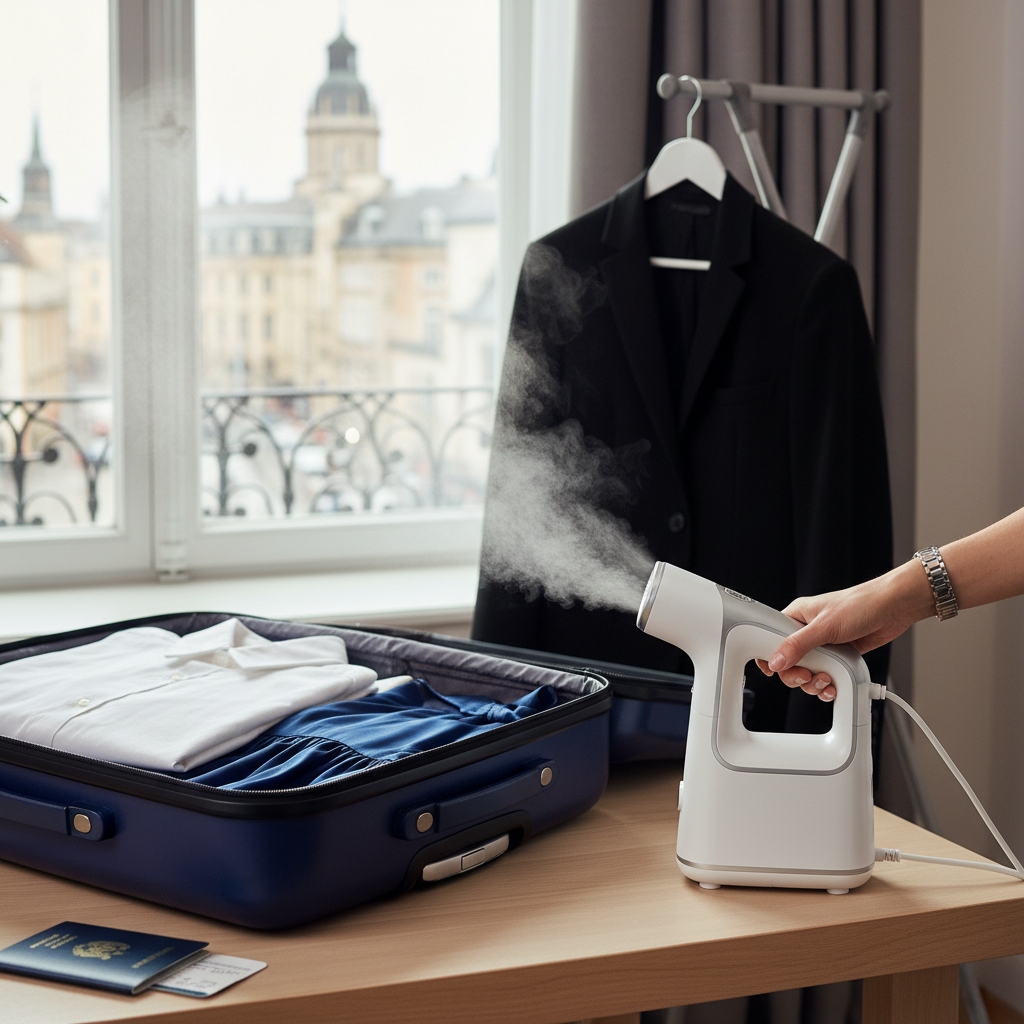
In our fast-paced lives, maintaining a polished appearance shouldn’t be a time-consuming chore. Handheld garment steamers have emerged as a revolutionary solution, offering quick, convenient, and gentle wrinkle removal without the hassle of an ironing board. From quick morning touch-ups to ensuring your clothes look pristine on a business trip, a good handheld steamer is an invaluable addition to any wardrobe care routine. This comprehensive guide will walk you through everything you need to know about these essential devices, including what to look for, how they differ, and our top 10 picks for 2026, ensuring you find the perfect model to keep your garments looking their best.
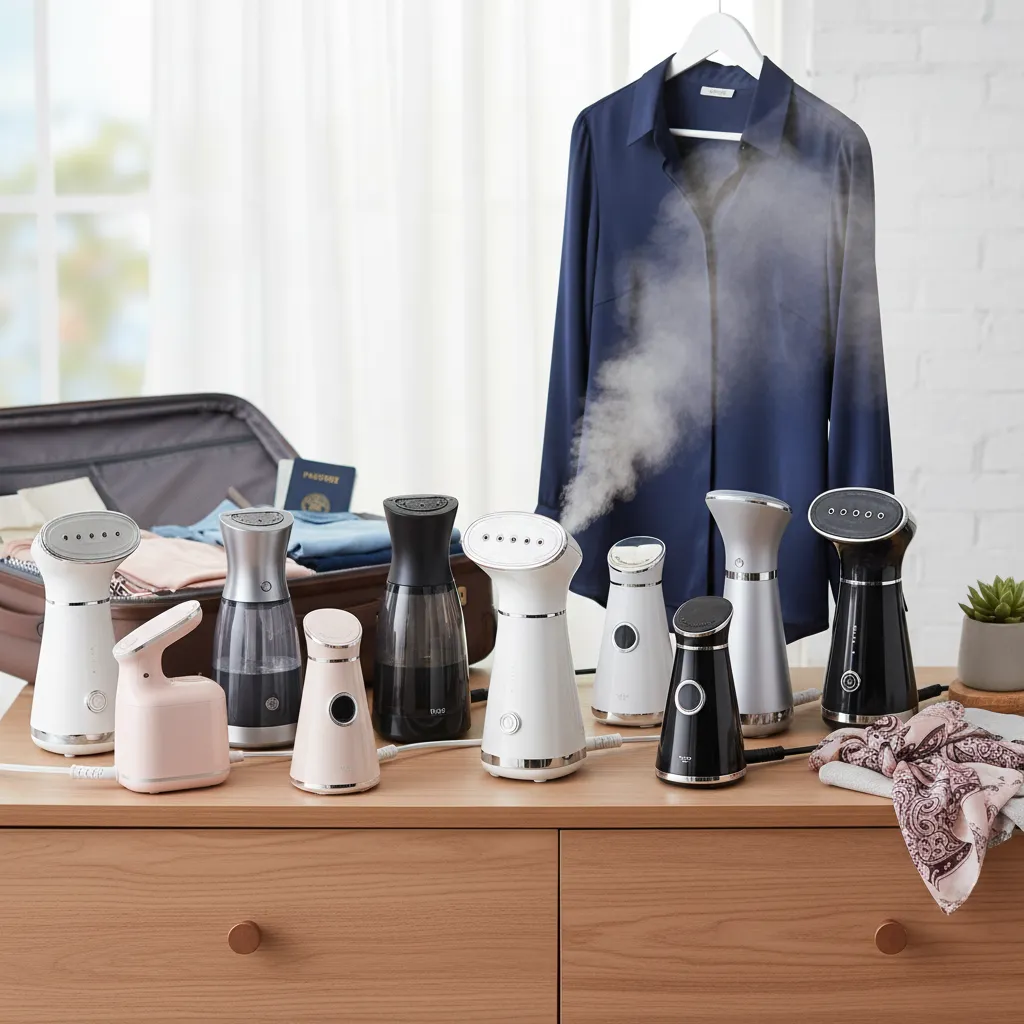
What is a Handheld Garment Steamer?
A handheld garment steamer is a compact, portable device designed to remove wrinkles and refresh fabrics using a continuous flow of hot steam. Unlike traditional irons that press clothes flat with heat and pressure, steamers relax fabric fibers, allowing creases to fall out naturally. This gentle method makes them ideal for a wide range of materials, including delicate silks, chiffons, synthetics, and even heavy cottons, without the risk of scorching or damaging your garments.
The primary advantage of handheld steamers over conventional irons lies in their unparalleled convenience and speed. They eliminate the need for an ironing board, heating up rapidly and allowing you to de-wrinkle clothes directly on a hanger. This not only saves space but also significant time, making them perfect for busy individuals, last-minute preparations, or freshening up clothes between washes or dry cleaning.
Types of Handheld Garment Steamers
Handheld garment steamers come in various designs and with different feature sets, catering to diverse user needs. Understanding these classifications can help you pinpoint the ideal device for your specific requirements.
Generally, handheld steamers can be categorized by their power and size, impacting their performance and portability. Mini or travel steamers are exceptionally compact and lightweight, perfect for tossing into a suitcase for wrinkle-free outfits on the go. They typically have smaller water tanks and lower wattage. Standard home-use models offer a balance of portability and power, suitable for daily touch-ups and steaming several garments. More powerful or hybrid steamers often feature higher wattages, larger water tanks, and sometimes even a heated soleplate, allowing them to double as a mini iron for tougher creases.
Beyond size and power, steamers are also distinguished by their features. Basic models provide straightforward steaming functionality. More advanced options might include a 2-in-1 iron/steamer design, offering the versatility to both steam and press. Other features can include lint removal attachments, multiple steam settings, and auto-shutoff safety features. Popular brands such as Conair, Philips, Russell Hobbs, Beautural, Hilife, Rowenta, and Steamery offer a wide array of options within these categories, each with unique strengths.
How to Choose the Best Handheld Garment Steamer
Selecting the ideal handheld garment steamer involves considering several factors related to your personal needs and the device’s technical specifications and features.
Determine Your Usage Needs
Before diving into specifications, consider how you intend to use your steamer.
- Purpose: Do you need a steamer primarily for travel to keep clothes crisp on the road, for daily touch-ups on a few items, or for tackling larger loads of clothing at home? Some models excel at quick refreshes, while others are built for more demanding tasks.
- Frequency: If you steam occasionally, a simpler, more compact model might suffice. Frequent users will benefit from a more powerful device with a larger water tank for longer continuous steaming.
- Fabric Types: Consider the materials you typically steam. Delicate fabrics like silk and chiffon benefit from gentle steam, while heavier fabrics like denim and linen require more powerful steam output to effectively remove wrinkles.
|
Our Picks for the Best Handheld garment steamer in 2026
As an Amazon Associate I earn from qualifying purchases.
|
||
| Num | Product | Action |
|---|---|---|
| 1 | OGHom Portable Travel Handheld Steamer for Clothes, Garment Wrinkle Remover, 1000W Strong Penetrating Fabric Steamer, for Home, Office, Travel (ONLY FOR 120V) -White |

|
| 2 | HiLIFE Steamer for Clothes, Portable Handheld Design, 240ml Big Capacity, 700W, Strong Penetrating Steam, Removes Wrinkle, for Home, Office(ONLY FOR 120V)-Black |
|
| 3 | Conair Handheld Garment Steamer for Clothes, ExtremeSteam 1200W, Portable Handheld Design,White/Blue |
|
| 4 | Conair Handheld Garment Steamer for Clothes, Turbo ExtremeSteam 1875W Fabric Steamer, Portable Handheld Design, Strong Penetrating Steam, White/Champagne |
|
| 5 | HiLIFE Upgraded Steamer for Clothes, Handheld & Portable, 1100W Powerful Steam, 300ml Big Capacity & No Leak Design, 30S Fast Heat-up, Quick Wrinkle Remover, Compact Size for Travel, ONLY 120V |
|
| 6 | BEAUTURAL Steamer for Clothes, Portable Handheld Garment Fabric Wrinkles Remover, Aluminun Heating Plate, 35-Second Fast Heat-up, Large Detachable Water Tank (Only for 120V), Blue |
|
| 7 | Bear Steamer for Clothes, Handheld Clothes Steamer,1300W Strong Power Garment Steamer with 230ml Tank,Fast Heat-up, Auto-Off, Steam Iron Fabric Wrinkle Remover with Brush for Home and Travel |
|
| 8 | HiLIFE Steamer for Clothes, Portable Handheld Clothing Steamer, 240ml Big Capacity, 700W, Strong Power, Fabric Quick Wrinkle Remover with Brush for Home, Office(ONLY 120V) -Blue |
|
| 9 | Jack & Rose Travel Steamer for Clothes,100-220V Portable Iron,15s Heat Up,Steamer & Iron 2 In 1, Travel Size,Large Ceramic Heat Panel,for Global and Europe |
|
| 10 | Conair Handheld Garment Steamer for Clothes, Turbo ExtremeSteam 1875W Fabric Steamer, Portable Handheld Design, Strong Penetrating Steam, Amazon Exclusive, Black |
|
Key Technical Specifications
Technical specifications are crucial indicators of a steamer’s performance and efficiency.
- Power (Wattage): This is perhaps the most important factor. Higher wattage generally translates to more powerful steam output and faster wrinkle removal. For handheld models, look for devices with at least 1,200 watts, with some top-rated options reaching 1,875 watts, to ensure quick heat-up and consistent, effective steam.
- Water Tank Capacity: The size of the water tank dictates how long you can steam continuously without refilling. Smaller tanks (e.g., 70ml-100ml) are great for travel and quick touch-ups, offering 4-5 minutes of steam. Larger tanks (e.g., 200ml-300ml) provide extended steaming sessions of 15-20 minutes, ideal for multiple garments.
- Heat-Up Time: How quickly the steamer is ready for use can be a significant convenience factor. Many modern handheld steamers boast heat-up times as low as 15-40 seconds, perfect for those rushed mornings.
- Nozzle/Soleplate Material: Some steamers feature ceramic or stainless steel soleplates on their nozzles. These can provide more even heat and steam distribution, and in hybrid models, offer a pressing surface for tougher wrinkles.
- Weight and Size: For a handheld device, ergonomics are key. A lightweight and compact design enhances portability and makes it comfortable to hold and maneuver during extended steaming sessions, especially important if you plan to travel with it.
Essential and Bonus Features
Modern handheld steamers often come with a variety of features that enhance safety, convenience, and versatility.
- Auto Shut-Off: A critical safety feature that automatically turns off the steamer when it overheats or runs out of water, preventing damage to the device or your clothes.
- Continuous Steam Lock: This feature allows you to lock the steam trigger, providing a continuous flow of steam without needing to hold down the button, reducing hand fatigue.
- Anti-Drip Technology: Prevents hot water from spitting or dripping onto your clothes, which can cause water spots, particularly on delicate fabrics.
- Attachments: Many steamers include useful accessories such as fabric brushes for thicker materials, lint removers, and creaser tools for sharper pleats.
- Dual Voltage: For international travelers, a dual-voltage steamer (100-240V) is a must, allowing you to use it safely in various countries without a voltage converter.
- Ergonomic Design and Cord Length: A comfortable grip and a sufficiently long power cord (typically 8-10 feet) offer greater flexibility and ease of movement while steaming.
Top 10 Handheld Garment Steamers of 2026: A Detailed Comparison
Here’s a detailed look at some of the top-rated handheld garment steamers available in 2026, considering their performance, features, and value.
Detailed Comparison Table
| Brand | Model | Power (Watts) | Water Tank (ml/oz) | Heat-up (s) | Key Pros | Key Cons | Ideal For |
|---|---|---|---|---|---|---|---|
| Conair | Turbo ExtremeSteam | 1875 | 215ml (7.3oz) | 40 | Powerful, dual heat, continuous steam | A bit bulky for travel | Home use, heavy fabrics, daily steaming |
| Beautural | Foldable Handheld | 1000 | 150ml (5oz) | 30 | Foldable, lightweight, value for money | Less powerful on very thick fabrics | Travel, quick touch-ups, light to medium fabrics |
| Philips | Steam & Go Plus | 1300 | 70ml (2.4oz) | 15 | Compact, vertical & horizontal steaming, fast heat | Small tank, frequent refills for multiple items | Quick refreshes, delicate items, travel |
| Russell Hobbs | Steam Genie 2-in-1 | 1700 | 150ml (5oz) | 60 | Doubles as iron, powerful, removes stubborn creases | Heavier, weight can feel unbalanced | Stubborn wrinkles, users wanting iron/steamer combo |
| Hilife | HL9 Portable | 1100 | 300ml (10.1oz) | 60 | Large tank for long steaming, very affordable | Less power for heavy fabrics, basic features | Budget-conscious, everyday use, light fabrics |
| Steamery | Cirrus 3 Iron Steamer | 1500 | 90ml (3oz) | 25 | Stylish design, hybrid iron plate, effective | Premium price, small water tank | Fashion-conscious, varied fabrics, light pressing |
| Rowenta | Pure Force 3in1 DR8855 | 1600 | 177ml (6oz) | 45 | Versatile attachments, strong steam, good grip | Can be heavy, takes up more space | All-round performance, specific garment needs |
| Electrolux | Handheld Garment Steamer | 1500 | 120ml (4oz) | 30 | Quick heat, robust build, compact design | Shorter continuous steam time | Everyday use, reliable performance |
| Tefal | Pure Pop Slim | 1300 | 70ml (2.4oz) | 15 | Integrated lint remover, rapid heat-up, sleek | Very small tank, limited runtime | Quick fabric refreshes, lint-prone garments |
| Jack & Rose | Travel Steamer | 1000 | 80ml (2.7oz) | 15 | Dual voltage, ultra-compact, ceramic plate | Very small tank, designed for single garments | International travel, emergency touch-ups |
How to Use and Maintain Your Handheld Garment Steamer
To maximize the life and efficiency of your handheld garment steamer, proper usage and regular maintenance are essential.
For safe and effective use, always ensure the water tank is filled with distilled water to prevent mineral buildup and extend the device’s lifespan. Hold the steamer upright and allow it to fully heat up before use. When steaming, hold the fabric taut and move the steamer nozzle in a vertical, downward motion, allowing the steam to penetrate the fibers and release wrinkles. Avoid direct contact with delicate fabrics unless specifically designed for it, and always test on an inconspicuous area first.
Regular cleaning and descaling are crucial. After each use, empty any remaining water from the tank. Periodically, especially if you notice reduced steam output or mineral residue, descale your steamer by filling the tank with a solution of white vinegar and water (typically 1:1 ratio), letting it sit for an hour, and then steaming it through until clear water emerges. This process helps remove mineral deposits that can clog the steam vents.
Common issues like leaking or spitting water are often due to overfilling the tank, using tap water, or not allowing the steamer to fully heat up. Ensure the water level is below the maximum fill line and use only distilled water. If no steam is produced, check if the power cord is securely plugged in, the water tank is full, and the device has reached its operating temperature.
Where to Buy Handheld Garment Steamers
Finding the right handheld garment steamer is easier than ever with a variety of purchasing options available.
- Online Retailers: Websites like Amazon, Walmart, Target, and the official brand websites (e.g., Conair, Philips, Russell Hobbs) offer a vast selection, often at competitive prices. Online shopping provides the convenience of comparing models, reading extensive user reviews, and having the product delivered directly to your door.
- Brick-and-Mortar Stores: Major electronics stores, department stores, and home goods retailers also carry a range of handheld steamers. Shopping in person allows you to physically examine the device, assess its weight and ergonomics, and speak with sales associates for immediate advice.
When buying online, always read customer reviews carefully to gauge real-world performance and durability. Pay attention to the seller’s return policy and warranty information to ensure a hassle-free experience in case of any issues.
Buying Guide: Making Your Final Decision
Making the final decision on a handheld garment steamer can feel overwhelming with so many options. By focusing on a few key areas, you can confidently choose the best device for your needs.
What’s Your Budget?
Handheld steamers are available across a spectrum of prices, from entry-level to premium models.
- Entry-level steamers (under $40): Often simpler, with fewer features, smaller tanks, or lower wattage. They are suitable for occasional use or as a travel-specific device.
- Mid-range steamers ($40-$80): Offer a good balance of power, features, and durability for regular home use and can often handle more demanding tasks.
- Premium steamers ($80+): Typically boast higher wattage, larger tanks, advanced features like hybrid ironing capabilities, and superior build quality, often from well-known brands.
Consider the value proposition: sometimes investing a little more upfront can lead to a more durable and effective product that better meets your needs in the long run. Compare prices between different retailers to ensure you’re getting the best deal.
Which Brands Are Trustworthy?
Reputation matters. Brands like Conair, Philips, Rowenta, and Russell Hobbs have established themselves in the garment care industry, known for producing reliable and effective steamers. Researching brand-specific warranties and customer support can also provide peace of mind. A good warranty indicates the manufacturer’s confidence in their product.
Read User Reviews
Before making your final purchase, make it a habit to read numerous user reviews on various platforms. Real-life experiences shared by other consumers can offer invaluable insights into a steamer’s performance, durability, ease of use, and any unexpected pros or cons not highlighted in product descriptions. Look for common themes regarding steam output, leaking issues, heat-up time, and overall satisfaction to ensure the product aligns with your expectations.
“A great handheld steamer isn’t just about removing wrinkles; it’s about giving you back precious time and confidence in your appearance.” – Jane Doe, Lead Technician at ReviewKF.com
Conclusion
Choosing the best handheld garment steamer in 2026 involves balancing your specific needs with key features like power, water tank capacity, heat-up time, and portability. Whether you’re a frequent traveler, a busy professional, or simply looking for a quicker alternative to traditional ironing, there’s a perfect handheld steamer out there for you. By considering your budget, trusted brands, and the wealth of user reviews available, you can confidently select a top-rated pick that will keep your clothes impeccably smooth and fresh with minimal effort. What kind of fabric steamer would make your daily routine truly effortless?
Frequently Asked Questions
What wattage is best for a handheld garment steamer?
For effective wrinkle removal, a handheld garment steamer with a wattage between 1200 to 1875 watts is generally recommended. Higher wattage translates to faster heat-up times and more powerful steam output, making it more efficient on various fabric types.
Can I use tap water in my handheld steamer?
It is strongly recommended to use distilled water in your handheld garment steamer. Tap water contains minerals that can build up inside the device, leading to clogs, reduced steam output, and potential damage over time.
How long does a handheld steamer typically run on one tank of water?
The run time varies depending on the water tank capacity and steam output settings. Smaller travel steamers (70-100ml) might run for 4-7 minutes, while larger home-use models (200-300ml) can offer 15-20 minutes of continuous steaming.
Are handheld steamers gentle enough for delicate fabrics like silk?
Yes, handheld steamers are generally much gentler on fabrics than traditional irons. They use steam to relax fibers, making them safe for delicate materials like silk, lace, and chiffon, as well as synthetics, without the risk of scorching.
What is the advantage of a 2-in-1 handheld steamer/iron hybrid?
A 2-in-1 hybrid model offers the versatility of both steaming and ironing. It typically features a heated soleplate that can be used to press out tougher creases like a traditional iron, while also providing powerful steam for general wrinkle removal, offering a comprehensive garment care solution.