Pleated skirts exude an undeniable elegance and timeless charm, adding a sophisticated touch to any wardrobe. However, the crisp, sharp folds that give them their distinctive appeal can quickly become a wrinkled mess without proper care. Whether it’s from being crammed in a suitcase or simply worn throughout the day, those perfect pleats can lose their definition, leaving your skirt looking less than polished. Fortunately, restoring your pleated skirt to its original glory is entirely achievable with the right steaming techniques. This guide will walk you through the precise steps and essential tips to effectively steam your pleated skirts, ensuring they maintain their beautiful, sharp folds without a single pleat lost.
The Challenge of Pleated Skirts and Why Steaming is Key
The unique structure of a pleated skirt, where fabric is meticulously folded and often heat-set to create permanent creases, is what makes it both stunning and somewhat delicate to care for. Unlike flat garments, a pleated skirt cannot simply be ironed carelessly, as direct, uneven pressure can easily flatten the pleats, distorting their intended shape permanently. The material’s memory, though strong, can be compromised by harsh treatment.
This is where steaming becomes an invaluable ally. Steaming offers a gentle yet highly effective method to relax fabric fibers and release wrinkles without applying direct, crushing pressure. A garment steamer works by emitting hot vapor that penetrates the fabric, allowing the fibers to swell and return to their original, smooth state. For pleated skirts, this means you can smooth out unwanted creases while the existing pleats remain intact, revitalized by the warmth and moisture. It’s a far safer and often more efficient alternative to traditional ironing, which carries a higher risk of flattening or even melting synthetic pleats if done improperly.
Essential Tools for Steaming Pleated Skirts
Before you begin the steaming process, ensuring you have the right tools at hand will make the task much smoother and more effective.
- Handheld Garment Steamer: This is your primary tool. A quality handheld steamer is compact, heats up quickly, and provides a continuous stream of steam, perfect for delicate garments like pleated skirts. Look for one with a comfortable grip and a decent water tank capacity to avoid frequent refills.
- Appropriate Hangers: A sturdy skirt hanger with padded or plastic-tipped clips is crucial. These hangers allow the skirt to hang freely and naturally from the waistband, keeping the pleats aligned and preventing new creases from forming while you work. Avoid wire hangers that can leave marks or distort the fabric.
- Distilled Water: To protect your steamer and prevent unsightly mineral deposits or stains on your skirt, always use distilled water. Tap water contains minerals that can build up inside your steamer over time, affecting its performance and potentially leaving white residue on your garments.
- Optional Tools:
- Pleat Comb: Often used in costume design, a small pleat comb can be incredibly helpful for precisely realigning pleats, especially on intricate or very fine pleated skirts.
- Spray Bottle: A fine mist of water can sometimes help relax stubborn wrinkles before steaming or assist in hand-shaping.
- Heat-Resistant Glove: While not strictly necessary for all steaming, a heat-resistant glove can protect your non-steaming hand when holding the fabric taut, especially if you’re working with hot steam for extended periods.
Having these tools ready will not only simplify the process but also contribute significantly to achieving perfectly steamed results without damaging your cherished pleated skirts.
Understanding Your Pleated Skirt Fabric
The material of your pleated skirt plays a significant role in how you should approach steaming it. Different fabrics respond uniquely to heat and moisture, and understanding these differences is key to preserving your pleats. Always check the care label inside your skirt first, as it provides the most accurate instructions from the manufacturer.
- Polyester Pleats: Polyester is a synthetic fabric renowned for its durability and excellent pleat retention. Modern pleating often involves heat-setting polyester, making the pleats remarkably long-lasting. When steaming polyester, you can generally be a bit more confident. The steam helps release wrinkles effectively without easily flattening the heat-set pleats. However, avoid excessively high heat or prolonged direct contact with a very hot iron, as this can potentially melt or permanently distort synthetic fibers.
- Delicate Pleats (Silk, Chiffon, Satin): These luxurious fabrics require the gentlest touch. Silk, chiffon, and satin can be prone to water spots, scorching, or losing their delicate pleats if mishandled. For these materials, steaming is almost always preferred over ironing. Keep the steamer head a slight distance away, allowing the steam to gently relax the fibers. If the care label suggests “dry clean only,” it might be best to defer to a professional, especially for valuable pieces. If hand-washing, air dry flat and then use light steaming.
- Natural Fiber Pleats (Cotton, Linen): Cotton and linen pleats, while beautiful, tend to crease more easily than synthetics. They also respond well to steam. For these fabrics, a garment steamer works effectively to remove wrinkles. If you choose to use an iron for extra crispness, ensure it’s on a medium-heat setting with steam, and always use a pressing cloth between the iron and the skirt to prevent shine or damage. Iron along the pleats, not across them, to maintain their definition.
By recognizing your skirt’s fabric type and adhering to its specific needs, you can ensure your steaming efforts yield flawless results, preserving both the pleats and the integrity of the material.
Step-by-Step Guide to Steaming Pleated Skirts Safely
Steaming a pleated skirt effectively requires a methodical approach, focusing on gentle handling and respecting the garment’s unique construction. Follow these steps to achieve perfectly smooth, crisp pleats every time.
Preparation is Key
|
Our Picks for the Best Handheld garment steamer in 2026
As an Amazon Associate I earn from qualifying purchases.
|
||
| Num | Product | Action |
|---|---|---|
| 1 | HiLIFE Steamer for Clothes, Portable Handheld Clothing Steamer, 240ml Big Capacity, 700W, Strong Power, Fabric Quick Wrinkle Remover with Brush for Home, Office(ONLY 120V) -Blue |

|
| 2 | HiLIFE Upgraded Steamer for Clothes, Handheld & Portable, 1100W Powerful Steam, 300ml Big Capacity & No Leak Design, 30S Fast Heat-up, Quick Wrinkle Remover, Compact Size for Travel, ONLY 120V |
|
| 3 | OGHom Portable Travel Handheld Steamer for Clothes, Garment Wrinkle Remover, 1000W Strong Penetrating Fabric Steamer, for Home, Office, Travel (ONLY FOR 120V) -White |
|
| 4 | Conair Handheld Garment Steamer for Clothes, Turbo ExtremeSteam 1875W Fabric Steamer, Portable Handheld Design, Strong Penetrating Steam, White/Champagne |
|
| 5 | Conair Handheld Garment Steamer for Clothes, Turbo ExtremeSteam 1875W Fabric Steamer, Portable Handheld Design, Strong Penetrating Steam, Amazon Exclusive, Black |
|
| 6 | Conair Handheld Garment Steamer for Clothes, ExtremeSteam 1200W, Portable Handheld Design,White/Blue |
|
| 7 | Jack & Rose Travel Steamer for Clothes,100-220V Portable Iron,15s Heat Up,Steamer & Iron 2 In 1, Travel Size,Large Ceramic Heat Panel,for Global and Europe |
|
| 8 | Bear Steamer for Clothes, Handheld Clothes Steamer,1300W Strong Power Garment Steamer with 230ml Tank,Fast Heat-up, Auto-Off, Steam Iron Fabric Wrinkle Remover with Brush for Home and Travel |
|
| 9 | HiLIFE Steamer for Clothes, Portable Handheld Design, 240ml Big Capacity, 700W, Strong Penetrating Steam, Removes Wrinkle, for Home, Office(ONLY FOR 120V)-Black |
|
| 10 | BEAUTURAL Steamer for Clothes, Portable Handheld Garment Fabric Wrinkles Remover, Aluminun Heating Plate, 35-Second Fast Heat-up, Large Detachable Water Tank (Only for 120V), Blue |
|
Before you even turn on your steamer, a few preparatory steps will set you up for success.
- Check the Care Label: This is your golden rule. Always examine the care label sewn into your skirt. It will provide crucial information on the fabric composition and recommended care, including whether steaming is safe or if professional cleaning is advised.
- Fill Steamer with Distilled Water: As mentioned, using distilled water is essential. It prevents mineral buildup in your steamer and eliminates the risk of leaving water stains or white residue on your skirt. Fill the steamer to the recommended level.
- Hang Skirt Properly: Hang your pleated skirt on a sturdy skirt hanger with clips. Ensure the skirt is clipped firmly at the waistband, allowing the entire length of the skirt to hang freely and straight. This uses gravity to your advantage, helping the pleats fall naturally into place before you even apply steam. Make sure there’s enough space around the skirt for the steam to circulate without brushing against other garments.
The Steaming Process
With your skirt prepared and your steamer ready, you can now begin the delicate art of steaming.
- Allow Steamer to Heat Up: Turn on your garment steamer and let it heat up fully. Most steamers will indicate when they are ready, often with a light changing color. Before applying steam to your skirt, aim the steamer away from the garment and release a few bursts of steam into the air. This expels any initial water droplets that might spit out, preventing potential water marks on your fabric.
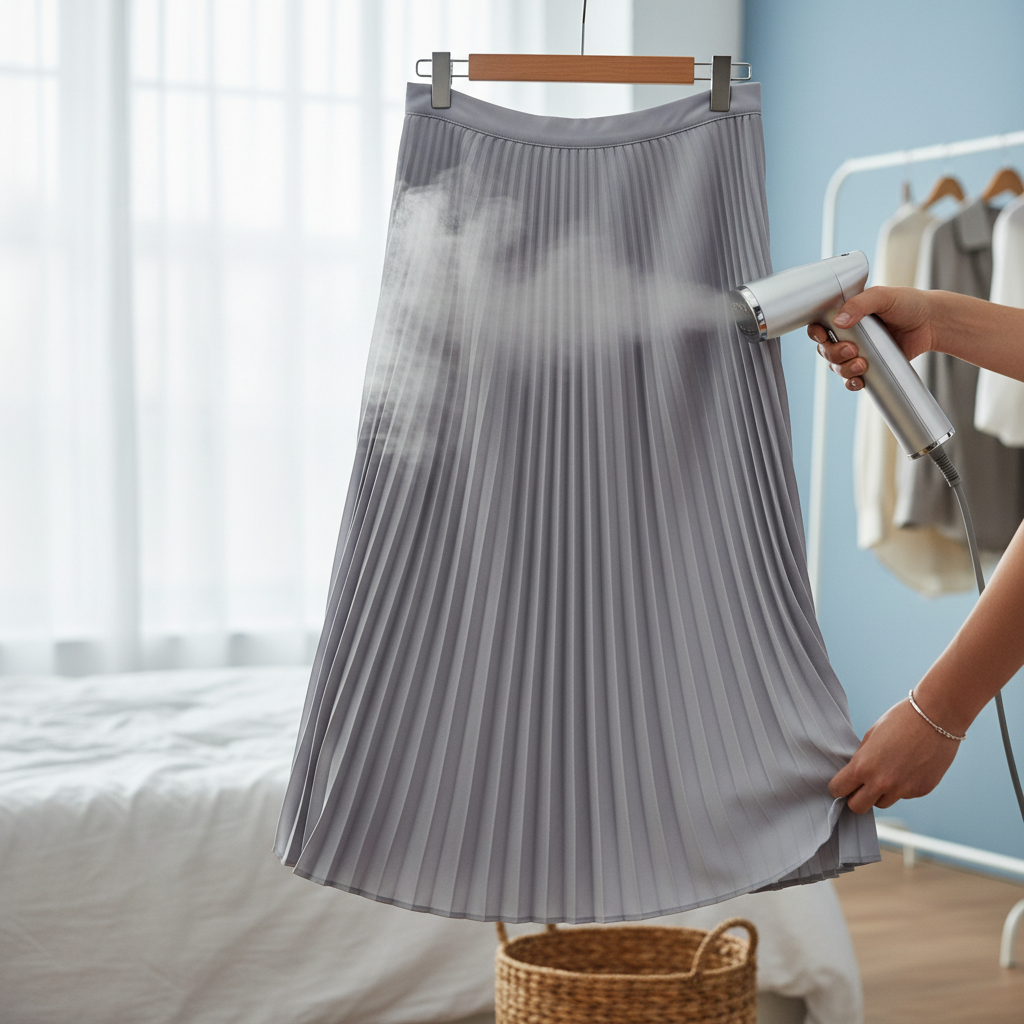
- Hold Fabric Taut: With one hand (preferably gloved, especially if you’re new to steaming), gently pull the bottom hem of the skirt taut. This helps to straighten the fabric and allows the steam to penetrate effectively, working out wrinkles without stretching or distorting the pleats. Maintain a consistent, gentle tension throughout the process.
- Position Steamer Head: For pleated skirts, hold the steamer head a slight distance from the fabric—typically an inch or two away. While some general steaming guides suggest direct contact, for pleats, a slight distance is often recommended to gently relax wrinkles without flattening the intricate folds. Let the steam do the work rather than pressing.
- Steam Along the Pleats, Not Across: This is perhaps the most critical rule for pleated skirts. Glide the steamer head downwards, following the natural direction of each pleat. Work in small sections, moving vertically from the waistband to the hem. Never move the steamer horizontally across the pleats, as this can easily disrupt their crispness and flatten them.
- Address Stubborn Wrinkles: For particularly stubborn wrinkles, you can pause slightly longer over the affected area, allowing the steam to deeply penetrate. You may also gently pull the pleat tauter with your free hand. Repeat the steaming motion if necessary, always moving with the pleat.
- Hand-Shaping/Re-creasing if Needed: After steaming a section, if you notice any pleats that aren’t perfectly aligned, you can gently pinch and re-crease them with your fingers while the fabric is still warm and pliable. If you have a pleat comb, this is an excellent opportunity to use it for precise re-alignment.
The “Bathroom Steam” Quick Fix
For minor wrinkles or a quick refresh when you don’t have a steamer handy, the “bathroom steam” method can be a lifesaver.
- Hang in a Steamy Bathroom: Hang your pleated skirt on a sturdy hanger in your bathroom.
- Run a Hot Shower: Close the bathroom door and windows, then run a hot shower for 10-15 minutes, allowing the room to fill with steam.
- Let Gravity Work: The ambient steam will gently relax the fabric fibers, helping minor wrinkles to fall out naturally. Leave the skirt in the steamy environment for at least 15-20 minutes after turning off the water, then allow it to air dry completely. This method is best for light wrinkles and can often prevent the need for more intensive steaming.
Common Mistakes to Avoid When Steaming Pleated Skirts
Even with a steamer, mistakes can happen that compromise the integrity of your pleated skirt. Being aware of these pitfalls can save your garment from irreparable damage.
- Flattening Pleats by Pressing Too Hard: The most common error is treating a steamer like an iron. Applying direct pressure or pressing the steamer head firmly against the fabric, especially with heat, can flatten the carefully constructed pleats. Remember, the steam’s job is to relax, not to press.
- Steaming Without Checking Fabric Care Label: Ignoring the care label is a recipe for disaster. Some delicate fabrics or specific pleating treatments may not be suitable for steaming or require particular care. Always verify before you begin.
- Moving Steamer Too Fast: Rushing through the steaming process means the steam doesn’t have enough time to effectively penetrate and relax the fabric fibers. Move slowly and deliberately, allowing the steam to work its magic.
- Improper Storage After Steaming: After steaming, your skirt will be slightly damp and warm. Immediately folding it or cramming it back into a tight closet can cause new wrinkles to form as the fabric cools and sets in an undesirable position. Always allow your skirt to cool and dry completely on its hanger in a well-ventilated area before storing.
- Using Tap Water: As previously mentioned, using tap water can lead to mineral deposits building up in your steamer and potentially staining your clothes with white streaks. Stick to distilled water for cleaner, safer steaming.
Avoiding these common mistakes ensures your pleated skirts remain immaculate, preserving their structure and extending their lifespan.
Beyond Steaming: Maintaining Pleats for Longevity
Effective care for your pleated skirts extends beyond just steaming. Proper washing, drying, and storage habits are crucial for maintaining their crispness and ensuring they remain a cherished part of your wardrobe for years to come.
- Proper Washing Techniques: When your pleated skirt needs a full wash, hand washing is often the safest option, particularly for delicate fabrics. Fill a basin with lukewarm water and a mild detergent, gently swirling the skirt without scrubbing or twisting. If machine washing is unavoidable and permitted by the care label, always place the skirt inside a mesh laundry bag and select a delicate cycle with cold water. Harsh agitation in a washing machine can severely disrupt pleats.
- Correct Drying: After washing, never wring out a pleated skirt. Instead, gently press out excess water with a clean towel. Air drying is always recommended. Hang the skirt on a proper skirt hanger (with clips at the waistband) and allow it to air dry completely in a well-ventilated area, away from direct sunlight or high heat. This helps gravity pull the pleats back into their original shape. Avoid tumble drying, as high heat can set unwanted wrinkles or even damage the pleats, especially in synthetic fabrics.
- Smart Storage Solutions: How you store your pleated skirts makes a significant difference. The golden rule is to hang, not fold. Folding a pleated skirt will inevitably crush the pleats, creating stubborn creases that are difficult to remove. Use wide, padded skirt hangers with clips at the waistband, ensuring each pleat hangs straight and isn’t squashed. Store skirts individually to prevent them from getting compressed by other garments, maintaining their pristine lines. For valuable or delicate pieces, consider using garment bags for extra protection against dust and friction.
- When to Consider Professional Cleaning: For expensive skirts, delicate fabrics like silk or chiffon, or skirts with very intricate pleating, professional dry cleaning is often the safest and most reliable option. Inform your cleaner about the pleated details so they can handle the item with appropriate care, employing techniques specifically designed to preserve the pleats.
By incorporating these comprehensive care practices into your routine, you can ensure your pleated skirts not only look impeccable after steaming but also maintain their integrity and elegance over time.
Expert Insights for Flawless Pleats
Maintaining the sharp, elegant lines of a pleated skirt can feel like a delicate balancing act, but with the right approach, it’s easily achieved.
“Many believe direct heat is the solution for wrinkles, but for pleated garments, a steamer is your best friend. It relaxes the fabric gently without applying crushing pressure, which is vital for preserving the integrity of each fold.”
This principle underscores the importance of a nuanced approach to fabric care. The goal isn’t just to remove wrinkles, but to do so in a way that respects the garment’s construction.
“The secret to lasting pleats lies as much in proper storage as it does in gentle cleaning. Hanging your skirts correctly and allowing them to cool completely after steaming prevents new creases from setting in, ensuring they remain ready to wear.”
This highlights that garment care is a continuous process, where every step from washing to storage contributes to the overall longevity and appearance of your pleated skirts.
Conclusion
Steaming your pleated skirts without losing their distinct folds is an art form that, once mastered, will keep your wardrobe looking effortlessly chic. By understanding the unique needs of pleated fabrics and employing the gentle, yet powerful, method of steaming, you can effectively banish wrinkles and restore crispness to your garments. Remember the importance of preparation, the correct steaming technique, and the critical steps of proper drying and storage. With the right tools and a little patience, your pleated skirts will always be ready to make a statement, showcasing their elegant lines and impeccable structure.
What fabric are your favorite pleated skirts made from, and what has been your biggest challenge in keeping their pleats pristine?
FAQ
Can I iron a pleated skirt instead of steaming it?
While steaming is generally recommended for pleated skirts to prevent flattening, some fabrics like cotton or linen can be carefully ironed. Use a low heat setting, always with a pressing cloth, and iron strictly along the direction of the pleats. Never press directly across the pleats.
How often should I steam my pleated skirt?
The frequency depends on how often you wear it and how wrinkled it becomes. A light steam after every few wears or as needed for minor wrinkles is usually sufficient to keep pleats crisp without overexposing the fabric to heat.
What kind of water should I use in my steamer?
Always use distilled water in your garment steamer. Tap water contains minerals that can cause limescale buildup in your steamer and leave white mineral deposits or stains on your skirt.
How do I store a pleated skirt to prevent wrinkles?
The best way to store a pleated skirt is to hang it on a sturdy skirt hanger with padded clips at the waistband. Ensure the skirt hangs freely, and allow it to cool completely after wearing or steaming before placing it in your closet. Avoid folding to prevent new creases.
Can all pleated skirts be steamed?
Most pleated skirts, especially those made from polyester, silk, chiffon, or cotton, can be safely steamed. However, always check the care label first. If the label specifies “dry clean only” or warns against steaming, it’s best to follow those instructions or consult a professional.