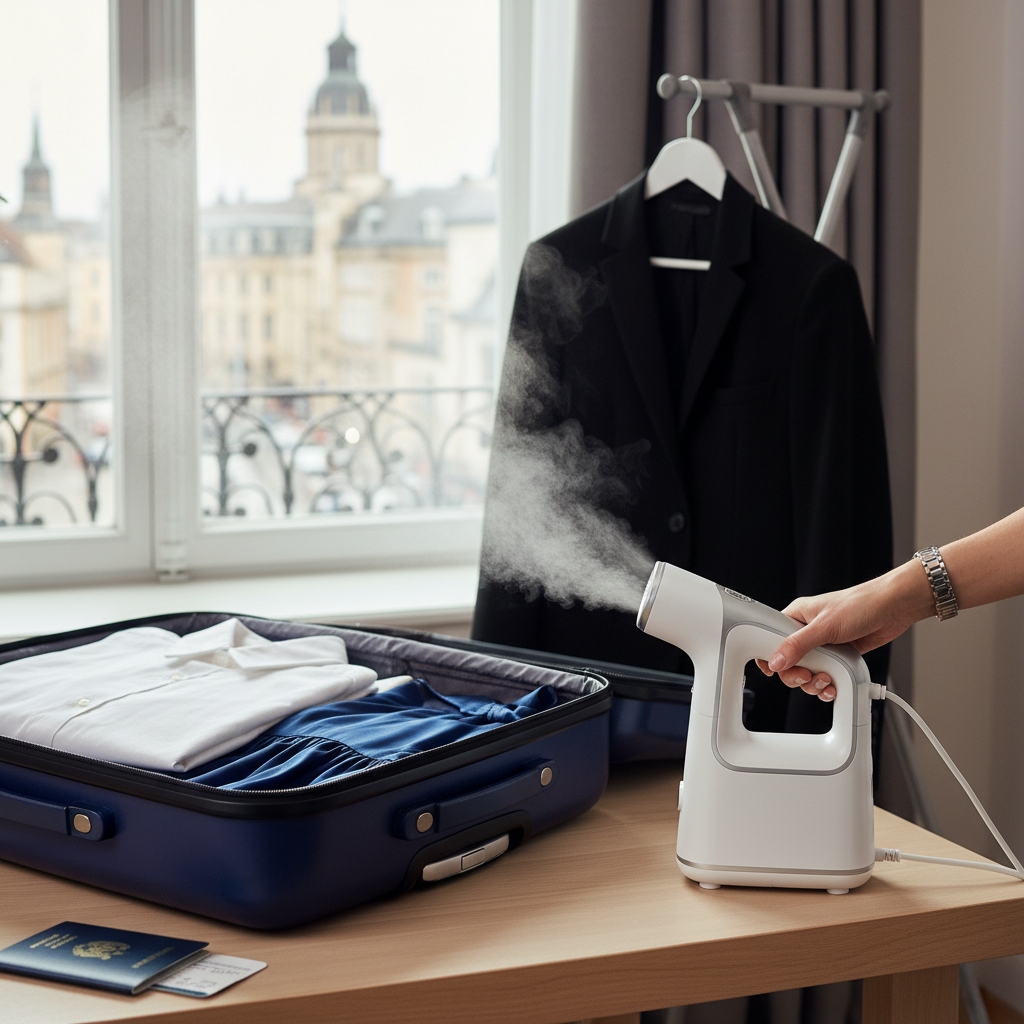
Choosing the right handheld garment steamer can significantly impact your clothing care routine, and a crucial, yet often overlooked, component is the nozzle material. This article delves into the core differences between plastic and stainless steel nozzles, helping you understand their unique characteristics, benefits, and drawbacks to make an informed decision for perfectly pressed clothes.
What is a Handheld Garment Steamer?
A handheld garment steamer is a portable appliance designed to quickly remove wrinkles and refresh fabrics using hot steam. Unlike traditional irons that rely on direct heat and pressure, steamers relax fabric fibers, making them safe for a wider range of materials, including delicate silks and synthetics. They offer unparalleled convenience for quick touch-ups, travel, and garments that are difficult to iron, providing a fast and effortless way to maintain a polished look.
Types of Handheld Garment Steamer Nozzles
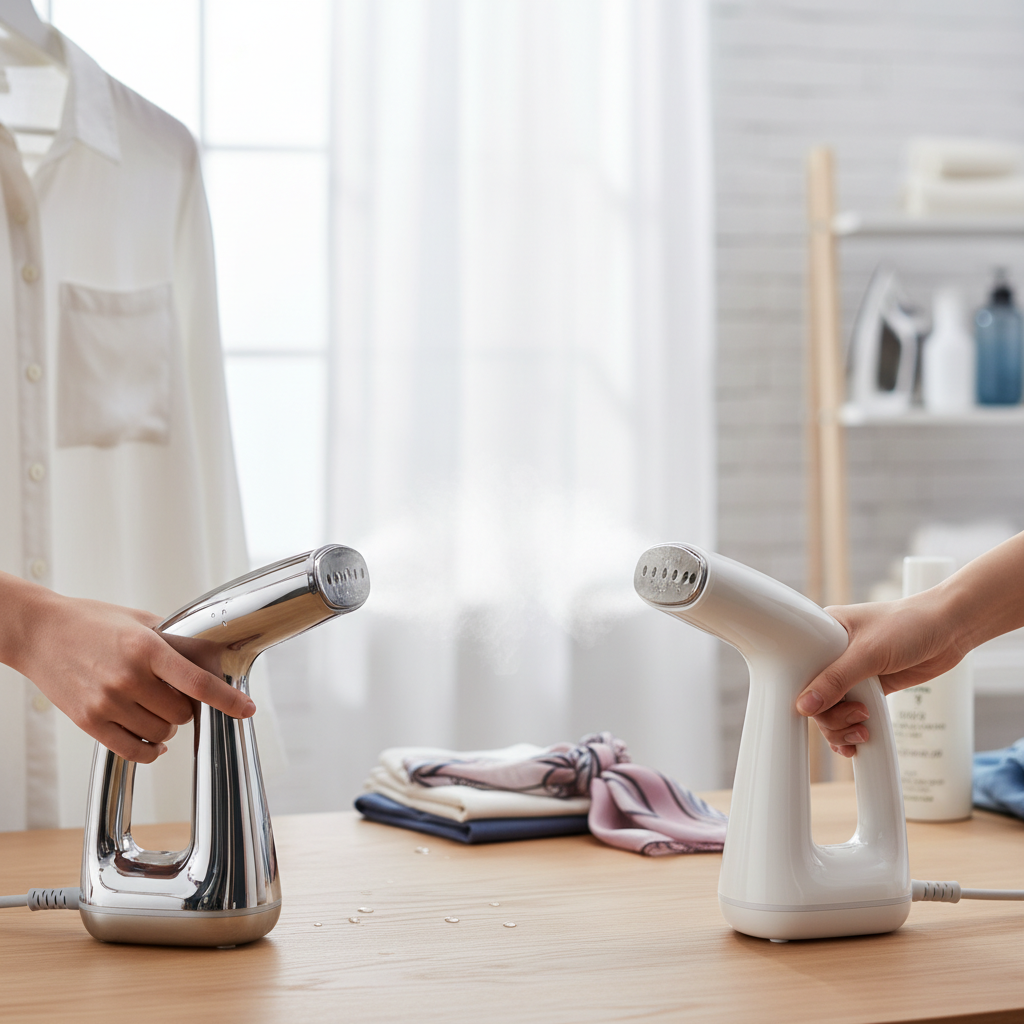
At the business end of every handheld garment steamer lies its nozzle, the part directly contacting your clothes to deliver steam. The two primary materials used for these nozzles are plastic and stainless steel, each presenting distinct advantages and disadvantages that influence performance, durability, and user experience. Understanding these differences is key to selecting a steamer that aligns with your specific needs.
Plastic Nozzles: Pros and Cons
Plastic nozzles are commonly found on entry-level and more budget-friendly handheld garment steamers. They offer a lightweight design and can heat up relatively quickly, making them accessible for many users.
The main advantage of plastic nozzles is their cost-effectiveness and lighter weight, contributing to the overall portability of the steamer. They are gentle on delicate fabrics, as they typically do not get as hot as metallic plates, reducing the risk of accidental scorching.
However, plastic nozzles come with several drawbacks. Their durability can be a concern; over time, continuous exposure to high heat and steam can lead to warping, cracking, or discoloration. They generally have lower heat retention compared to stainless steel, which might result in less consistent steam output and potentially requiring more passes to remove stubborn wrinkles. The lack of a smooth, firm surface also means they offer less friction, making them less effective for achieving a crisper, pressed finish on certain fabrics.
Stainless Steel Nozzles: Pros and Cons
Stainless steel nozzles are often featured in more premium or higher-performance handheld garment steamers. They are engineered for enhanced durability and superior steaming results, making them a popular choice for those seeking efficiency and longevity.
The most significant advantages of stainless steel nozzles include their exceptional durability and resistance to corrosion and heat damage. They maintain structural integrity over prolonged use, contributing to the steamer’s overall lifespan. Stainless steel boasts excellent heat retention and distribution, ensuring a more consistent and powerful steam output that penetrates fabrics deeply for faster wrinkle removal. The smooth, wide surface of a stainless steel plate creates better friction with the fabric, allowing for a more efficient steaming experience and even enabling a light pressing action for a crisper finish, similar to an iron. This also makes them ideal for heavier fabrics that require more direct contact. Furthermore, stainless steel is generally easier to clean and less prone to mineral buildup, especially when using distilled water.
On the downside, steamers with stainless steel nozzles can be heavier than their plastic counterparts, which might be a consideration for extended steaming sessions or frequent travel. They also tend to be more expensive due to the material cost and manufacturing process, and may sometimes have a slightly longer initial heat-up time.
“For effective and efficient wrinkle removal, especially on tougher fabrics, the material of the nozzle truly makes a difference. Stainless steel not only offers durability but also provides the necessary surface for superior steaming performance.”
Choosing the Right Nozzle for Your Needs
Selecting between a plastic and stainless steel nozzle ultimately depends on your individual priorities and how you intend to use your handheld garment steamer. Consider these factors to guide your decision:
Determine Your Usage
- Occasional/Travel Use: If you need a steamer primarily for quick touch-ups, refreshing clothes while traveling, or for very delicate fabrics, a lightweight model with a plastic nozzle might suffice.
- Regular/Daily Use: For frequent steaming sessions, handling a variety of fabric types, or if you prefer a more “pressed” look, a steamer with a stainless steel nozzle will offer better performance and durability.
- Fabric Types: If you mostly steam delicate items like silk, chiffon, or lace, both can work, but stainless steel provides more versatility for heavier materials like denim or linen.
|
Our Picks for the Best Handheld garment steamer in 2026
As an Amazon Associate I earn from qualifying purchases.
|
||
| Num | Product | Action |
|---|---|---|
| 1 | HiLIFE Steamer for Clothes, Portable Handheld Design, 240ml Big Capacity, 700W, Strong Penetrating Steam, Removes Wrinkle, for Home, Office(ONLY FOR 120V)-Black |

|
| 2 | HiLIFE Upgraded Steamer for Clothes, Handheld & Portable, 1100W Powerful Steam, 300ml Big Capacity & No Leak Design, 30S Fast Heat-up, Quick Wrinkle Remover, Compact Size for Travel, ONLY 120V |
|
| 3 | HiLIFE Steamer for Clothes, Portable Handheld Clothing Steamer, 240ml Big Capacity, 700W, Strong Power, Fabric Quick Wrinkle Remover with Brush for Home, Office(ONLY 120V) -Blue |
|
| 4 | Bear Steamer for Clothes, Handheld Clothes Steamer,1300W Strong Power Garment Steamer with 230ml Tank,Fast Heat-up, Auto-Off, Steam Iron Fabric Wrinkle Remover with Brush for Home and Travel |
|
| 5 | OGHom Portable Travel Handheld Steamer for Clothes, Garment Wrinkle Remover, 1000W Strong Penetrating Fabric Steamer, for Home, Office, Travel (ONLY FOR 120V) -White |
|
| 6 | Conair Handheld Garment Steamer for Clothes, Turbo ExtremeSteam 1875W Fabric Steamer, Portable Handheld Design, Strong Penetrating Steam, White/Champagne |
|
| 7 | BEAUTURAL Steamer for Clothes, Portable Handheld Garment Fabric Wrinkles Remover, Aluminun Heating Plate, 35-Second Fast Heat-up, Large Detachable Water Tank (Only for 120V), Blue |
|
| 8 | Conair Handheld Garment Steamer for Clothes, ExtremeSteam 1200W, Portable Handheld Design,White/Blue |
|
| 9 | Jack & Rose Travel Steamer for Clothes,100-220V Portable Iron,15s Heat Up,Steamer & Iron 2 In 1, Travel Size,Large Ceramic Heat Panel,for Global and Europe |
|
| 10 | Conair Handheld Garment Steamer for Clothes, Turbo ExtremeSteam 1875W Fabric Steamer, Portable Handheld Design, Strong Penetrating Steam, Amazon Exclusive, Black |
|
Technical Considerations
- Durability: If longevity and resistance to wear and tear are top priorities, stainless steel is the clear winner.
- Heat Performance: For consistent, powerful steam and faster wrinkle removal, the superior heat retention of stainless steel is advantageous.
- Weight: Consider if a lighter device (often plastic) is more important for portability versus a slightly heavier but more robust unit (stainless steel).
Budget & Brand
Generally, steamers with plastic nozzles fall into a lower price bracket, making them an attractive option for those on a tight budget. Stainless steel models typically command a higher price point, reflecting their enhanced performance and durability. Reputable brands often offer both, but their premium lines frequently feature stainless steel nozzles due to their superior characteristics.
Comparison: Plastic vs. Stainless Steel Nozzle
To provide a clearer picture, here’s a detailed comparison of the two nozzle types:
| Feature | Plastic Nozzle | Stainless Steel Nozzle |
|---|---|---|
| Durability | Lower, prone to warping/cracking | High, resistant to heat and wear |
| Heat Retention | Lower, less consistent | Higher, more consistent steam |
| Efficiency | Less friction, might require more passes | Better friction, more efficient wrinkle removal |
| Weight | Lighter | Heavier |
| Cost | Generally lower | Generally higher |
| Maintenance | Prone to mineral buildup/discoloration | Easier to clean, less prone to mineral issues |
| Fabric Contact | Gentle, but less effective for pressing | Smooth, allows for light pressing action |
How to Use and Maintain Your Handheld Garment Steamer
Regardless of your nozzle material, proper usage and maintenance are crucial for optimal performance and longevity.
- Use Distilled Water: Always use distilled or demineralized water to prevent mineral buildup and limescale in the tank and nozzle. Tap water contains minerals that can clog steam vents and leave white marks on clothes.
- Proper Steaming Technique: Hang your garment properly. Hold the steamer upright and move it in downward strokes, gently stretching the fabric with your free hand to smooth out wrinkles.
- Cleaning the Nozzle: Regularly wipe the nozzle with a damp cloth to remove any residue. For stainless steel, a mild descaling solution (like vinegar and water) can be used periodically to remove stubborn mineral deposits, ensuring the steam vents remain clear.
- Storage: Always empty the water tank after use and allow the steamer to cool completely before storing it in a dry place.
Where to Buy Handheld Garment Steamers
Handheld garment steamers are widely available, both online and in physical stores.
- Electronics Retailers: Major electronics and home appliance stores often carry a range of models from various brands. This allows you to see and feel the product before purchasing.
- Online Marketplaces: Websites like Amazon, eBay, and specialized home goods retailers offer an extensive selection, often with competitive pricing and user reviews to guide your choice.
- Department Stores: Many department stores feature a small appliance section where you can find popular steamer models.
When buying online, always verify the seller’s reputation and read product descriptions carefully to confirm the nozzle material and other features.
Buying Guide
Navigating the market for a handheld garment steamer can be overwhelming. Here’s a concise buying guide to help streamline your decision-making process.
How Much Is Your Budget?
- Entry-level (Under $50): Often features plastic nozzles, suitable for light, occasional use, and travel.
- Mid-range ($50-$100): You’ll find a mix of plastic and stainless steel nozzles, offering better performance and additional features like larger water tanks or quicker heat-up times.
- Premium (Over $100): Typically includes stainless steel nozzles, advanced features, superior steam output, and enhanced durability.
Compare prices across different retailers to find the best deal, keeping in mind that investing a little more upfront can lead to greater satisfaction and a longer-lasting product.
Which Brands Are Reliable?
Look for brands with a strong reputation in garment care. Philips, Conair, Rowenta, and Steamery are well-known for producing reliable handheld garment steamers. Research their product lines to see which models offer stainless steel nozzles and positive feedback on durability and performance. Pay attention to warranty and customer service policies, as these reflect a brand’s commitment to quality.
Read Reviews from Other Users
User reviews are invaluable. Look for feedback specifically mentioning the nozzle’s performance, durability, and how it handles different fabric types. Pay attention to comments about:
- The effectiveness of wrinkle removal.
- Any issues with clogging or mineral buildup.
- How easy the nozzle is to clean.
- Overall satisfaction with the steaming experience.
Reviews can highlight real-world performance that specifications alone might not reveal.
Conclusion
The choice between a plastic and stainless steel nozzle for your handheld garment steamer is more significant than it might seem. While plastic nozzles offer a lightweight and budget-friendly option for light use, stainless steel nozzles provide superior durability, heat retention, and steaming efficiency, making them ideal for regular use and achieving a crisper finish. By considering your usage habits, budget, and desired performance, you can select the perfect steamer to keep your wardrobe looking its best. Which nozzle material do you think best suits your garment care needs?
Frequently Asked Questions
Are stainless steel nozzles better for garment steamers?
Generally, yes. Stainless steel nozzles offer superior durability, better heat retention, more consistent steam output, and allow for better friction with fabrics, leading to more efficient wrinkle removal and a crispier finish compared to plastic nozzles.
Do plastic garment steamer nozzles melt?
While plastic nozzles are designed to withstand the heat of steam, prolonged use, especially with hard water leading to mineral buildup that can affect heat regulation, can potentially cause warping, cracking, or discoloration over time, rather than outright melting.
How do I clean a garment steamer nozzle?
For regular cleaning, simply wipe the nozzle with a damp cloth after it has cooled down. For mineral buildup, especially on stainless steel nozzles, a solution of equal parts white vinegar and water can be used to gently scrub the steam vents, followed by a rinse with distilled water.