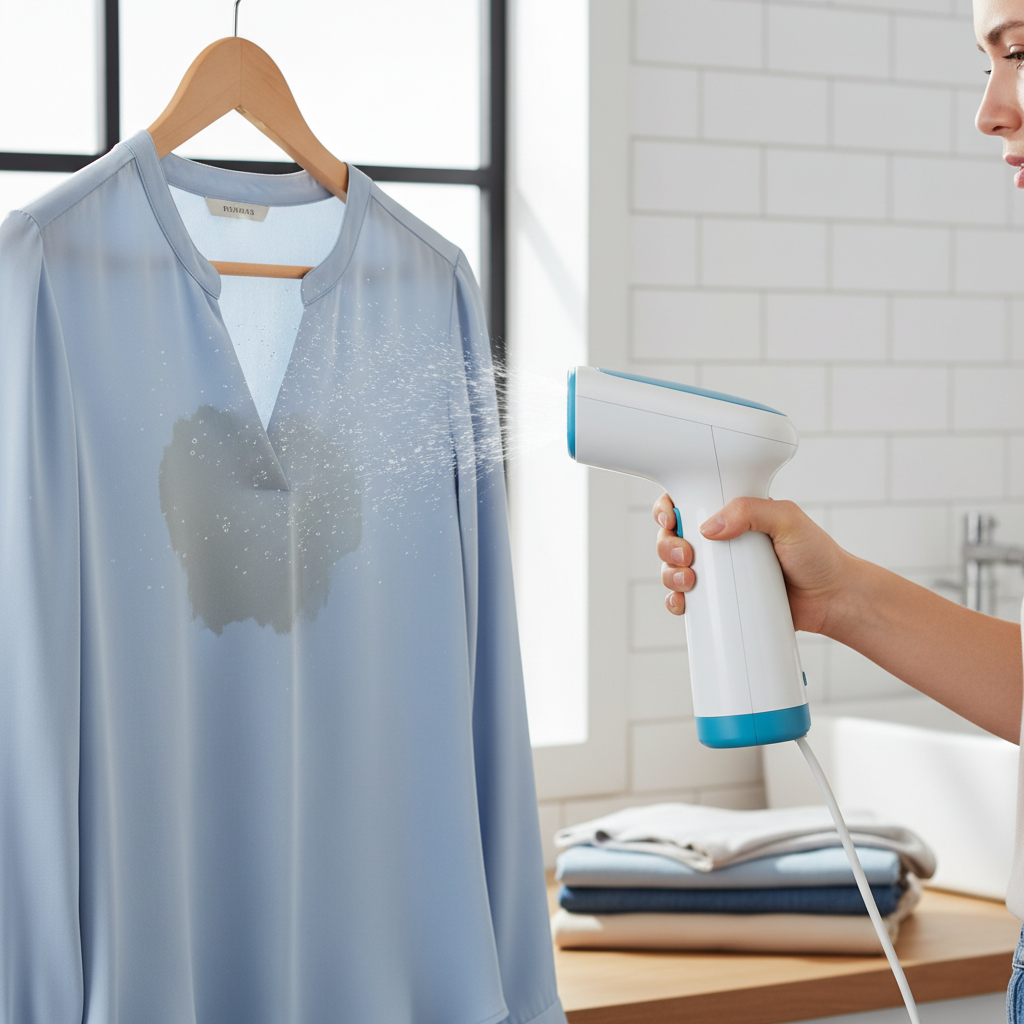
Handheld garment steamers have become an indispensable tool in many households, offering a quick and convenient way to refresh clothes and banish wrinkles. From last-minute touch-ups to delicate fabric care, these compact devices save time and effort. However, as with all electronics, they eventually reach the end of their useful life, leaving us with an important question: what is the responsible way to dispose of an old or broken handheld garment steamer? Simply tossing it in the trash contributes to the ever-growing problem of electronic waste, or e-waste, which can have significant environmental consequences. This comprehensive guide will walk you through the best practices for recycling, reusing, and safely disposing of your steamer, ensuring you make an eco-conscious choice.
What Are Handheld Garment Steamers and Why Do They Matter?
A handheld garment steamer is a small electrical appliance designed to smooth out wrinkles and refresh fabrics using a continuous flow of steam. It works by heating water to produce steam, which then relaxes the fibers in clothing, allowing wrinkles to fall out easily without direct contact or the need for an ironing board. Their portability and speed make them popular for travel, quick fixes, and use on delicate materials that traditional irons might damage.
Beyond their utility, the composition of these devices makes their end-of-life disposal crucial. Steamers contain a mix of materials, including plastics, various metals (like steel, copper in wiring, and aluminum), and sometimes electronic circuit boards. When these items end up in landfills, valuable resources are lost, and potentially hazardous components can leach into the soil and water, harming ecosystems and human health. Responsible disposal ensures these materials can be recovered and repurposed, reducing environmental impact.
Why Can’t You Just Throw a Steamer in the Trash or Curbside Bin?
It might seem convenient to simply discard a broken handheld garment steamer with your regular household trash or even in the curbside recycling bin. However, this is generally not the correct or responsible approach. Steamers are classified as electronic waste (e-waste) because they contain a mix of different materials that require specialized processing.
Placing a steamer in your curbside recycling bin can actually do more harm than good. Standard recycling facilities are typically set up to process homogenous materials like paper, plastic bottles, or metal cans. When mixed materials like those found in a small appliance enter this system, they can contaminate entire batches of recyclable materials, rendering them unrecyclable. Furthermore, the crushing action of a garbage truck compactor can break down electronic components, releasing tiny fragments of plastic, glass, and circuit boards that are difficult to separate and further exacerbate contamination. Moreover, components within e-waste may contain trace amounts of heavy metals or other chemicals that are harmful if released into the environment.
Identifying Your Steamer’s End-of-Life Options
When your handheld garment steamer has run its last cycle, you have several responsible avenues to consider. The best choice often depends on whether the device is still functional or completely broken, as well as the recycling infrastructure available in your local area.
Is Your Steamer Still Working? Consider Reuse and Donation
If your handheld garment steamer is still in good working condition but you no longer need it, don’t rush to dispose of it. Extending its life through reuse is the most environmentally friendly option.
- Donate: Many local thrift stores, charities, or community centers accept working small appliances. Organizations that assist those in need, such as homeless shelters or refugee support programs, might also welcome a functional steamer.
- Sell Secondhand: Online marketplaces like eBay, Facebook Marketplace, or local classifieds are great platforms to sell your used steamer. You could also offer it at a garage sale or give it away to a friend or family member who could use it.
- Repair Cafes: Some communities host “repair cafes” where volunteers help people fix broken items for free. Even if your steamer has a minor issue, these events can provide an opportunity to extend its lifespan and avoid premature disposal.
|
Our Picks for the Best Handheld garment steamer in 2026
As an Amazon Associate I earn from qualifying purchases.
|
||
| Num | Product | Action |
|---|---|---|
| 1 | HiLIFE Steamer for Clothes, Portable Handheld Clothing Steamer, 240ml Big Capacity, 700W, Strong Power, Fabric Quick Wrinkle Remover with Brush for Home, Office(ONLY 120V) -Blue |

|
| 2 | HiLIFE Steamer for Clothes, Portable Handheld Design, 240ml Big Capacity, 700W, Strong Penetrating Steam, Removes Wrinkle, for Home, Office(ONLY FOR 120V)-Black |
|
| 3 | BEAUTURAL Steamer for Clothes, Portable Handheld Garment Fabric Wrinkles Remover, Aluminun Heating Plate, 35-Second Fast Heat-up, Large Detachable Water Tank (Only for 120V), Blue |
|
| 4 | Conair Handheld Garment Steamer for Clothes, Turbo ExtremeSteam 1875W Fabric Steamer, Portable Handheld Design, Strong Penetrating Steam, Amazon Exclusive, Black |
|
| 5 | Jack & Rose Travel Steamer for Clothes,100-220V Portable Iron,15s Heat Up,Steamer & Iron 2 In 1, Travel Size,Large Ceramic Heat Panel,for Global and Europe |
|
| 6 | OGHom Portable Travel Handheld Steamer for Clothes, Garment Wrinkle Remover, 1000W Strong Penetrating Fabric Steamer, for Home, Office, Travel (ONLY FOR 120V) -White |
|
| 7 | Bear Steamer for Clothes, Handheld Clothes Steamer,1300W Strong Power Garment Steamer with 230ml Tank,Fast Heat-up, Auto-Off, Steam Iron Fabric Wrinkle Remover with Brush for Home and Travel |
|
| 8 | Conair Handheld Garment Steamer for Clothes, Turbo ExtremeSteam 1875W Fabric Steamer, Portable Handheld Design, Strong Penetrating Steam, White/Champagne |
|
| 9 | Conair Handheld Garment Steamer for Clothes, ExtremeSteam 1200W, Portable Handheld Design,White/Blue |
|
| 10 | HiLIFE Upgraded Steamer for Clothes, Handheld & Portable, 1100W Powerful Steam, 300ml Big Capacity & No Leak Design, 30S Fast Heat-up, Quick Wrinkle Remover, Compact Size for Travel, ONLY 120V |
|
When Your Steamer is Broken: Responsible Recycling Avenues
For steamers that are truly beyond repair, proper recycling is the next best step. This ensures that valuable materials are recovered and hazardous substances are handled safely.
E-Waste Recycling Centers
The most common and recommended method for disposing of broken small electronics is through dedicated e-waste recycling centers. These facilities specialize in dismantling electronic devices, separating different materials like metals, plastics, and glass, and ensuring that any potentially harmful components are managed appropriately.
- How to Find Them: Check your local municipal waste management website, or use online resources like Earth911.com or RecycleNation.com, which offer search tools to locate nearby e-waste drop-off points. These centers typically accept anything that runs on batteries or has a power cord.
- Certified Recyclers: To ensure your steamer is recycled ethically and responsibly, look for facilities that are certified by programs like R2 (Responsible Recycling) or e-Stewards. These certifications indicate that the recycler adheres to high environmental and social standards, preventing hazardous materials from being illegally shipped overseas or mishandled.
Community Collection Events and Bulky Waste Programs
Many cities and counties organize special collection events for hazardous waste and e-waste throughout the year. These events provide a convenient opportunity for residents to dispose of items that aren’t accepted in regular curbside collection. Additionally, some solid waste haulers offer specific bulky waste collection services that may include small appliances. Always check with your local waste management provider for their specific schedule and requirements.
Manufacturer Take-Back Programs and Retailer Initiatives
Some appliance manufacturers have programs that allow you to return their products for recycling at the end of their life cycle. While this is more common for larger appliances or specific brands, it’s always worth checking the website of your handheld garment steamer’s manufacturer for any such initiatives.
In addition, major electronics retailers often have in-store recycling programs. For example, chains like Best Buy and Staples frequently accept a wide range of electronics for recycling, regardless of where they were purchased or their brand. These programs provide an accessible option for dropping off your broken steamer.
DIY Deconstruction for Scrap Metal
If you’re handy and interested in maximizing material recovery, you can carefully disassemble your handheld garment steamer to separate its components. Steamers often contain valuable metals such as copper in the wiring, stainless steel in heating elements, and sometimes aluminum or brass.
- Safety First: Always unplug the steamer and allow it to cool completely before attempting any deconstruction. Use appropriate tools and exercise caution to avoid injury.
- Material Separation: Once disassembled, you can sort the different metal components. Power cords, for instance, are relatively easy to remove and contain valuable copper wiring. These separated metals can then be taken to a local scrap metal recycler. While individual small appliances may not yield significant profit, the cumulative effort contributes to metal conservation.
Step-by-Step Guide to Preparing Your Steamer for Disposal
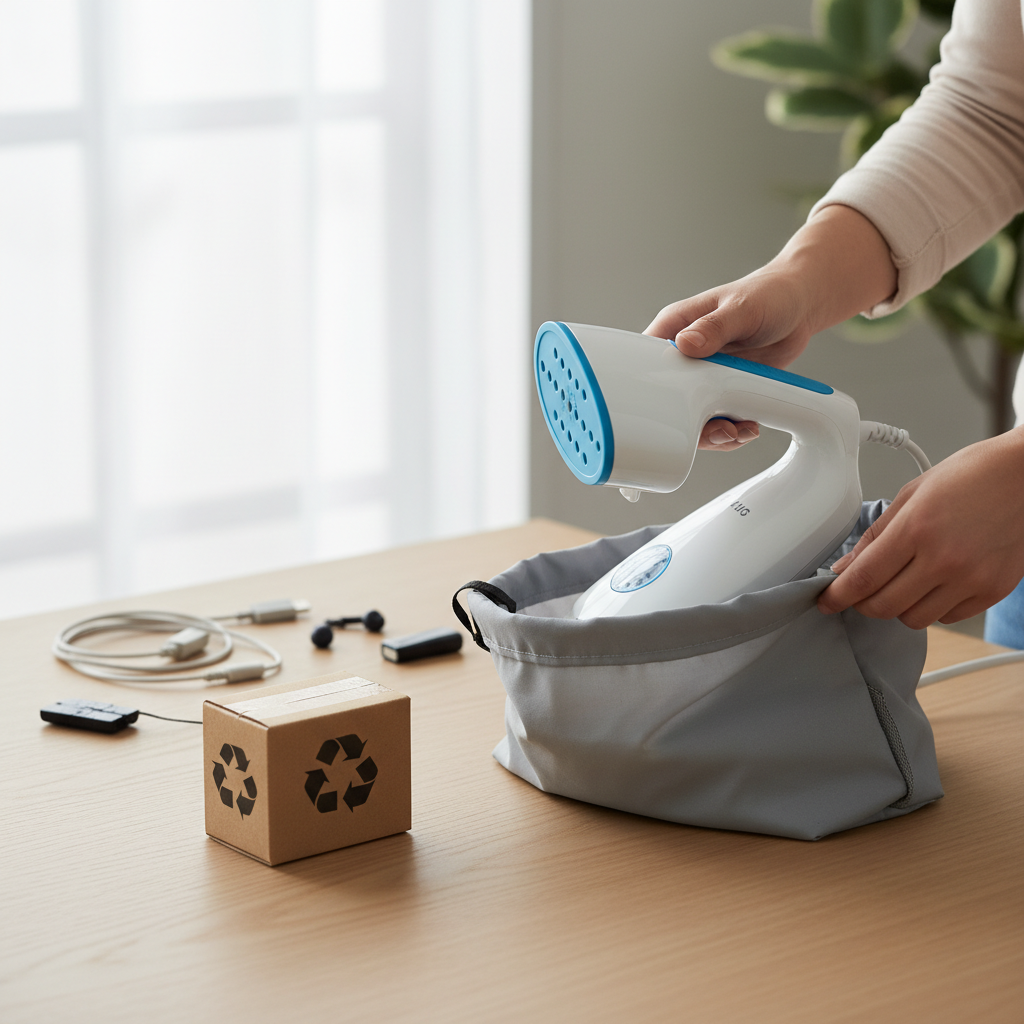
Proper preparation of your handheld garment steamer before disposal or recycling is crucial for safety and efficiency.
- Unplug and Cool Down: Absolutely ensure the steamer is unplugged from the power source and has completely cooled down. This prevents electrical shock and burn hazards.
- Empty Water Reservoir: Drain any remaining water from the steamer’s reservoir. This prevents leaks during transport and is a necessary step before recycling.
- Remove Detachable Non-Metal Parts: If your steamer has easily removable plastic water tanks, brush attachments, or other non-metal components, consider separating them. While some e-waste centers can handle mixed materials, removing these might simplify the process for some recyclers or allow you to check if those specific plastic parts can be recycled through your local plastics recycling program.
- Bundle Cords: To prevent tangles and tripping hazards, especially if you’re taking multiple items for disposal, tie up the power cord securely using a twist tie or the cord itself.
The Environmental Impact of Responsible Steamer Disposal
Choosing to responsibly dispose of your handheld garment steamer has far-reaching positive environmental effects. Every small appliance diverted from a landfill contributes significantly to a healthier planet.
- Reduces Landfill Waste: E-waste is a rapidly growing waste stream globally. By recycling, you prevent your steamer from taking up valuable landfill space, where it could sit for centuries without biodegrading.
- Conserves Natural Resources: Recycling allows valuable materials like steel (which accounts for about 75% of an average appliance’s weight), copper, aluminum, and even small amounts of gold from circuit boards, to be recovered and reused. This reduces the need for new raw material extraction, which is often energy-intensive and environmentally disruptive.
- Prevents Pollution: Many electronic components contain hazardous substances, such as lead, mercury, and cadmium. When e-waste is improperly disposed of, these toxins can leach into soil and groundwater, contaminating ecosystems and posing severe health risks to humans and wildlife. Responsible recycling ensures these materials are handled and disposed of safely.
- Supports a Circular Economy: By choosing to recycle, you participate in the circular economy, where products and materials are kept in use for as long as possible, rather than being discarded after a single use. This model minimizes waste and maximizes resource efficiency.
Buying Guide: Choose Sustainably
While recycling is vital, the most impactful environmental choice is to reduce consumption and choose products built for longevity and sustainability. When you’re in the market for a new handheld garment steamer, consider these factors:
- Durability and Repairability: Look for models known for their sturdy construction and ease of repair. Brands that offer replacement parts are a good sign.
- Manufacturer Take-Back Programs: Prioritize brands that proactively offer recycling or take-back programs for their products, demonstrating a commitment to their product’s entire life cycle.
- Avoid Disposable Models: Resist the temptation of extremely cheap, low-quality steamers that are designed to be quickly replaced. Investing in a slightly more expensive, well-made model can save money and reduce waste in the long run.
“Every item we choose to properly recycle is a step towards a sustainable future, preventing harmful waste and recovering precious resources that can be given a new life.”
Conclusion
Disposing of an old or broken handheld garment steamer doesn’t have to be a confusing or environmentally damaging process. By understanding the options—from donating working units to utilizing specialized e-waste recycling centers, community collection events, or even disassembling for scrap metal—you can ensure your appliance is handled responsibly. These small actions collectively make a significant difference, reducing landfill burden, conserving valuable resources, and preventing pollution. Make the conscious choice to recycle your handheld garment steamer and contribute to a healthier planet.
What steps will you take to responsibly dispose of your next end-of-life appliance?
Frequently Asked Questions
Can I put a handheld garment steamer in my regular trash bin?
No, handheld garment steamers should not be placed in your regular trash bin. They are considered e-waste due to their electronic components and mixed materials, which can be harmful to the environment if sent to a landfill.
What should I do with the power cord?
The power cord contains valuable copper wiring. If you are taking the entire steamer to an e-waste recycler, the cord can remain attached. If you are disassembling the unit, you can remove the cord and take it to a scrap metal recycler that accepts copper wire.
Are there any hazards associated with disposing of steamers?
The primary hazards are environmental contamination if the steamer ends up in a landfill, as some internal components may contain trace amounts of heavy metals or other chemicals. For safe handling, ensure the steamer is unplugged and cooled before moving it.
How can I find an e-waste recycler near me?
You can find local e-waste recycling centers by checking your municipal waste management website, or by using online search tools provided by organizations like Earth911.com or RecycleNation.com. Simply enter your zip code to find nearby drop-off locations.
What are R2 and e-Stewards certifications?
R2 (Responsible Recycling) and e-Stewards are two leading certification programs for electronics recyclers. These certifications ensure that facilities adhere to strict environmental, health, and safety standards, guaranteeing that e-waste is processed ethically and responsibly, preventing illegal dumping or hazardous handling.