Are you tired of staring at dull, grimy grout lines and lackluster tiles that no amount of scrubbing seems to revive? You’re not alone. Many homeowners struggle with the persistent dirt, mold, and discoloration that accumulate in these high-traffic areas, diminishing the aesthetic appeal and hygiene of their living spaces. The good news is that there’s a powerful, chemical-free solution that can transform your tiles and grout from dingy to dazzling: the steam cleaner. This comprehensive guide will walk you through everything you need to know to choose the perfect steam cleaner and achieve impeccably clean surfaces throughout your home.
What Are Steam Cleaners for Grout and Tiles?
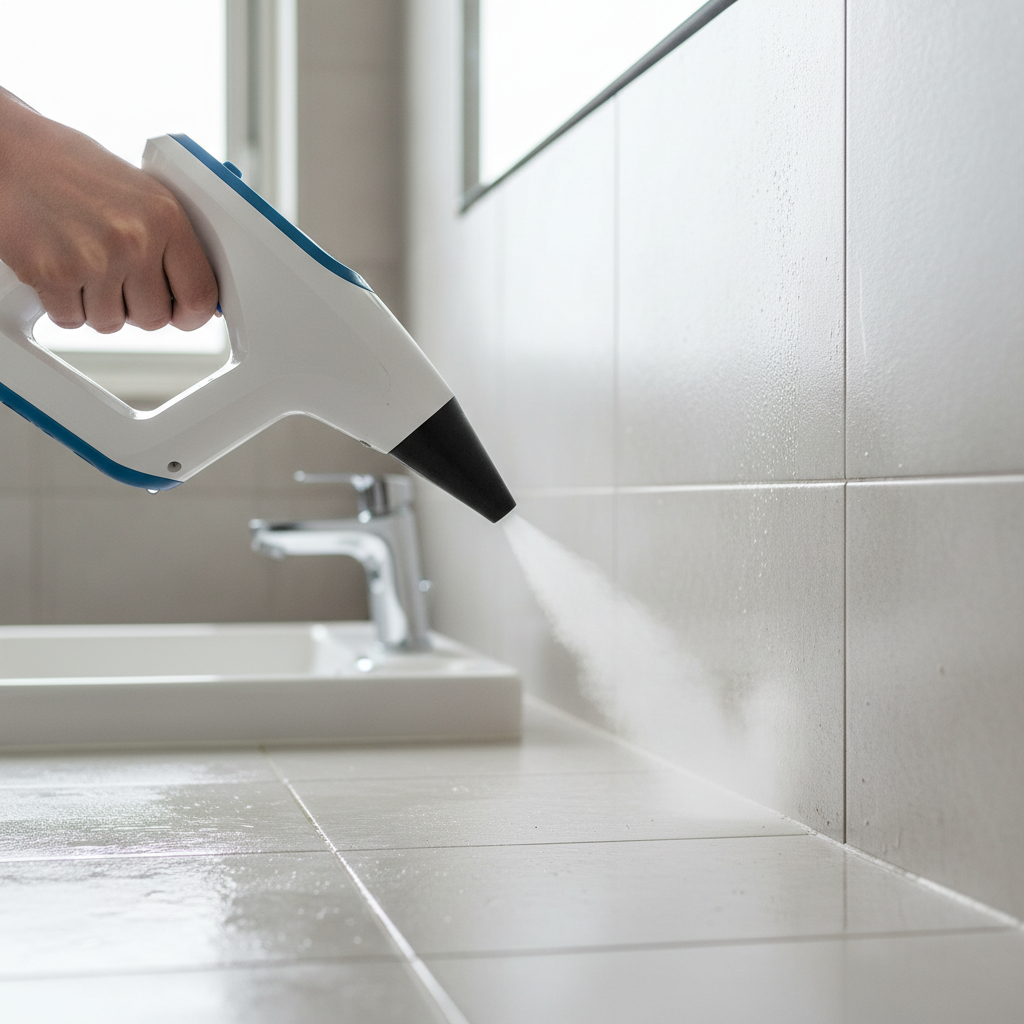
Steam cleaners are innovative cleaning appliances that harness the power of superheated steam to effectively clean and sanitize various surfaces. For tiles and grout, these machines are particularly revolutionary. Instead of relying on harsh chemicals that can be corrosive, leave residue, and be harmful to your family and pets, steam cleaners use only plain water, heated beyond its boiling point. This hot, pressurized vapor penetrates deep into the porous surfaces of grout and tile, dissolving tough dirt, grease, mold, mildew, and limescale on a molecular level.
The primary benefit of steam cleaning over traditional methods is its ability to sanitize surfaces by killing up to 99.9% of bacteria and viruses without a single drop of chemicals. This provides a truly hygienic clean, leaving your floors, showers, and countertops genuinely pristine and dry within minutes, without any sticky film or toxic fumes.
Types of Steam Cleaners for Tile and Grout
When it comes to steam cleaning your tile and grout, different types of machines offer varying levels of power, versatility, and convenience. Understanding these distinctions is crucial for selecting the best tool for your specific needs.
Canister Steam Cleaners
Canister steam cleaners are often considered the workhorses of the steam cleaning world. These models typically feature a separate water tank (the canister) on wheels, connected to a long hose and various attachments.
- Pros: They usually offer higher steam pressure and larger water tank capacities, allowing for longer, more powerful cleaning sessions without frequent refills. Their extensive range of specialized attachments, including pointed nozzles and stiff brushes, makes them exceptionally effective for targeting stubborn grout lines and hard-to-reach crevices.
- Cons: Canister steamers tend to be bulkier and heavier, making them less portable for quick clean-ups or small spaces. They may also have longer heat-up times compared to more compact models.
|
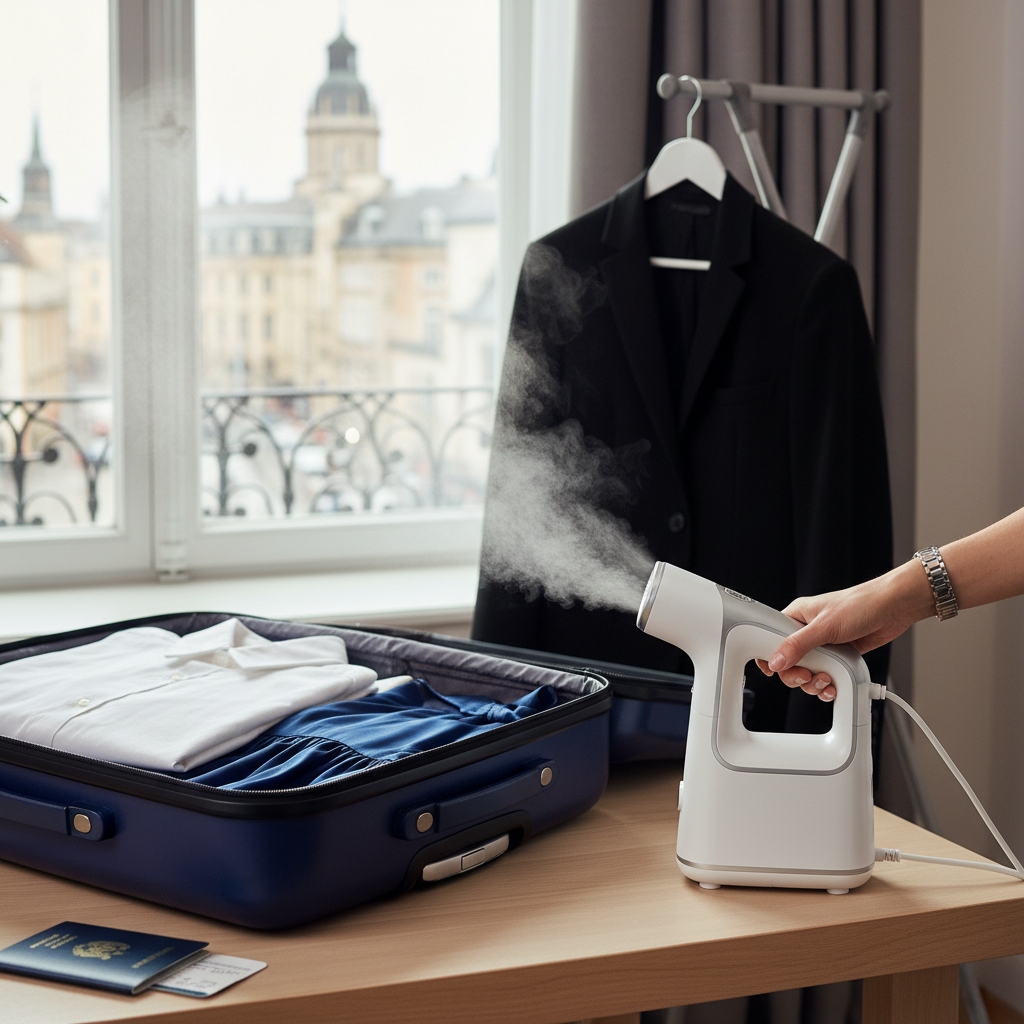
Our Picks for the Best Handheld garment steamer in 2026
As an Amazon Associate I earn from qualifying purchases.
|
||
| Num | Product | Action |
|---|---|---|
| 1 | Conair Handheld Garment Steamer for Clothes, Turbo ExtremeSteam 1875W Fabric Steamer, Portable Handheld Design, Strong Penetrating Steam, White/Champagne |

|
| 2 | HiLIFE Steamer for Clothes, Portable Handheld Design, 240ml Big Capacity, 700W, Strong Penetrating Steam, Removes Wrinkle, for Home, Office(ONLY FOR 120V)-Black |
|
| 3 | HiLIFE Upgraded Steamer for Clothes, Handheld & Portable, 1100W Powerful Steam, 300ml Big Capacity & No Leak Design, 30S Fast Heat-up, Quick Wrinkle Remover, Compact Size for Travel, ONLY 120V |
|
| 4 | HiLIFE Steamer for Clothes, Portable Handheld Clothing Steamer, 240ml Big Capacity, 700W, Strong Power, Fabric Quick Wrinkle Remover with Brush for Home, Office(ONLY 120V) -Blue |
|
| 5 | Conair Handheld Garment Steamer for Clothes, ExtremeSteam 1200W, Portable Handheld Design,White/Blue |
|
| 6 | BEAUTURAL Steamer for Clothes, Portable Handheld Garment Fabric Wrinkles Remover, Aluminun Heating Plate, 35-Second Fast Heat-up, Large Detachable Water Tank (Only for 120V), Blue |
|
| 7 | OGHom Portable Travel Handheld Steamer for Clothes, Garment Wrinkle Remover, 1000W Strong Penetrating Fabric Steamer, for Home, Office, Travel (ONLY FOR 120V) -White |
|
| 8 | Conair Handheld Garment Steamer for Clothes, Turbo ExtremeSteam 1875W Fabric Steamer, Portable Handheld Design, Strong Penetrating Steam, Amazon Exclusive, Black |
|
| 9 | Bear Steamer for Clothes, Handheld Clothes Steamer,1300W Strong Power Garment Steamer with 230ml Tank,Fast Heat-up, Auto-Off, Steam Iron Fabric Wrinkle Remover with Brush for Home and Travel |
|
| 10 | Jack & Rose Travel Steamer for Clothes,100-220V Portable Iron,15s Heat Up,Steamer & Iron 2 In 1, Travel Size,Large Ceramic Heat Panel,for Global and Europe |
|
Steam Mops with Handheld Functionality
Many popular steam mops are designed with a detachable handheld unit, offering a versatile two-in-one solution. These are typically lighter and more maneuverable than canister models.
- Pros: Excellent for general floor cleaning, they can quickly tackle large tiled areas. The integrated handheld steamer is perfect for spot-cleaning grout, countertops, shower walls, and other smaller surfaces. They often boast quick heat-up times.
- Cons: While versatile, their handheld units might offer less sustained power or a smaller water capacity than dedicated canister steamers, potentially requiring more frequent refills for extensive deep cleaning tasks.
Handheld Steam Cleaners
Compact and highly portable, dedicated handheld steam cleaners are ideal for quick touch-ups and specific problem areas.
- Pros: Lightweight and easy to maneuver, they are perfect for tackling small patches of dirty grout, sink areas, bathroom fixtures, and other tight spots. They are generally the most affordable option.
- Cons: Due to their small water tanks, they require frequent refills and are not suitable for cleaning large expanses of tile and grout. They also typically offer less steam pressure than canister models.
How to Choose the Best Steam Cleaner for Your Needs
Selecting the right steam cleaner involves considering your home, your cleaning habits, and the specific challenges your tile and grout present.
Consider Your Cleaning Needs
Before diving into specifications, think about how you’ll primarily use the steam cleaner:
- Purpose: Are you looking for a machine to deep clean heavily stained grout, or primarily for routine sanitization of tile floors?
- Frequency: Will you use it weekly, monthly, or only for occasional deep cleans?
- Area Size: Do you need to clean a small bathroom, a kitchen, or large tiled areas throughout your entire home? A larger home with extensive tile will benefit from a model with a bigger water tank and continuous steam.
- Type of Grime: For persistent mold, limescale, or caked-on grease, a model with higher pressure and dedicated scrub brushes will be more effective.
Key Technical Features
Focusing on these technical aspects will help ensure your steam cleaner delivers the performance you need for tile and grout.
- Steam Pressure (PSI): Higher Pounds per Square Inch (PSI) translates to more powerful steam, which is critical for blasting away embedded dirt from porous grout lines. Look for models with at least 43 PSI for tough stains, or even higher for commercial-grade results.
- Water Tank Capacity: A larger tank (e.g., 40-60 ounces or more) allows for longer continuous cleaning without interruption, ideal for bigger jobs. Smaller tanks are fine for spot cleaning. Some advanced models offer dual-tank systems for continuous refilling without waiting for cooldown.
- Heat-Up Time: Nobody wants to wait ages for their cleaner to be ready. Models with quick heat-up times (under 10 minutes, some as fast as 30 seconds) offer greater convenience.
- Attachments: This is paramount for grout and tile. Ensure the cleaner comes with specialized grout brushes (small, stiff bristles), jet nozzles (precision lance) for concentrated steam, and a floor tool with microfiber pads for general tile cleaning.
- Continuous Steam Function: The ability to lock the steam trigger for continuous output reduces hand fatigue during extended cleaning tasks.
- Cord Length and Portability: A longer power cord (15+ feet) reduces the need to constantly switch outlets. Wheels on canister models and lightweight designs for handheld units enhance portability.
Additional Features for Enhanced Cleaning
Beyond the essentials, certain features can significantly improve your cleaning experience:
- Automatic Shut-off: A vital safety feature that turns off the unit if it runs out of water or overheats.
- Steam Control Settings: Adjustable steam levels allow you to tailor the intensity for different surfaces and types of dirt, protecting delicate tiles while tackling stubborn grout.
- Water Level Indicator: A visible water tank or an indicator light/sound warns you when it’s time for a refill, preventing dry runs.
- Hose Length and Maneuverability: A sufficiently long hose provides greater reach, especially when cleaning shower walls or high-up tiles, making the unit more agile.
Top Steam Cleaners for Grout and Tiles: A Comparative Look
Choosing from the myriad of options can be daunting. Here’s a look at some highly-rated steam cleaners that excel in cleaning tile and grout, highlighting their strengths and what they offer.
Detailed Comparison Table
| Brand/Model | Type | Tank Capacity | Heat Time | Key Grout/Tile Attachments | Pros for Grout/Tile | Cons |
|---|---|---|---|---|---|---|
| Dupray Neat Steam Cleaner | Canister | 54 oz | ~12 mins | Grout tool, precision lance | Exceptional power, versatile for various messes, effective on stubborn grout. | Long heat-up time, no water level indicator, hose management can be awkward. |
| McCulloch MC1275 Heavy-Duty | Canister | 48 oz | ~12.5 mins | Multiple brush sizes, nozzles | Excellent for detailed cleaning, robust steam, built-in accessory storage. | Heaviest when empty, some attachments may get very hot, lock button can be finicky. |
| PurSteam 10-in-1 Steam Mop | Mop/Handheld | 12.8 oz | <30 seconds | Grout brush, concentrated nozzle | Converts to handheld, quick heat-up, very lightweight, alerts when tank is empty. | Mop head can flip on sticky messes, handheld unit can feel bulky for some. |
| Bissell PowerFresh Slim | Mop/Handheld | 11.8 oz | Quick | Grout brush, precision tools | Highly versatile, easy to convert to handheld, clear water tank for easy refilling. | Smaller tank capacity, attachments can get hot. |
| Ewbank Steam Dynamo | Canister | 50 oz | ~11.5 mins | Targeted nozzles for crevices and grout | Relatively quiet, continuous steam option, lightweight for a canister, effective on hard water. | No water level indicator, shorter power cord (8 ft). |
Maximizing Your Steam Cleaner’s Performance on Grout and Tiles
To get the most out of your steam cleaner and ensure your tile and grout stay pristine, follow these essential usage and maintenance tips.
How to Use Safely and Effectively
- Preparation is Key: Always start by sweeping or vacuuming your tiled floors thoroughly to remove loose dirt and debris. This prevents scratching surfaces and ensures the steam can focus on embedded grime.
- Use Demineralized Water: To prolong the life of your steam cleaner and prevent mineral buildup (especially in hard water areas), use distilled or demineralized water. This also helps avoid water spots and streaks on your tiles.
- Work in Small Sections: Tackle a small area at a time, allowing the superheated steam to penetrate and loosen dirt effectively. For grout lines, hold the nozzle or brush directly over the line for a few seconds before scrubbing.
- Slow and Steady Strokes: Glide your steam cleaner slowly over the tile surface, making multiple passes. For grout, use the specialized brush attachments and apply gentle pressure in a back-and-forth motion.
- Wipe Away Residue: The steam lifts dirt, but it doesn’t always magically disappear. Have clean microfiber cloths or towels ready to wipe away the dissolved grime immediately after steaming to prevent it from settling back into the grout.
- Mind Your Surfaces: Always consult your tile manufacturer’s recommendations before using a steam cleaner, particularly on natural stone, sealed wood, or delicate surfaces that might be sensitive to moisture or high heat.
Cleaning and Regular Maintenance
- Empty and Rinse: After each use, always empty any remaining water from the tank to prevent stagnant water and mineral deposits. Rinse the tank occasionally.
- Clean Attachments: Wash microfiber pads and brushes regularly. For brushes, you can rinse them under hot water or soak them to remove caked-on grime.
- Descaling: Depending on your water hardness and usage frequency, you’ll need to descale your steam cleaner periodically. Follow the manufacturer’s instructions, typically using a vinegar solution, to remove mineral buildup from the boiler.
- Store Properly: Ensure the unit is cool and dry before storing it. Store attachments neatly to keep them in good condition.
Common Issues and Troubleshooting
- No Steam/Low Steam: Check water level, ensure the unit is fully heated, or descaling might be needed due to mineral buildup.
- Water Leaking: Overfilling the tank, a loose cap, or a worn gasket could be the cause.
- Streaking: Often due to too much water or not wiping away dissolved dirt quickly enough. Ensure you’re using proper technique and clean pads.
Where to Purchase Your Steam Cleaner
Finding the right steam cleaner for your tile and grout is easier than ever, with many reliable options available both online and in physical stores.
- Online Retailers: Websites like Amazon, Wayfair, and the official brand websites (e.g., Dupray, McCulloch, PurSteam, Bissell) offer a vast selection, detailed product specifications, and numerous customer reviews. This allows for easy comparison shopping from the comfort of your home.
- Physical Stores: Major home improvement stores such as Home Depot and Lowe’s often carry a range of steam cleaners. Shopping in person allows you to see the models firsthand, assess their size and weight, and consult with sales associates.
- Considerations for Online Shopping: While convenient, always check the seller’s return policy, warranty information, and read recent customer reviews to gauge product reliability and performance for grout and tile specifically.
Buying Guide: Making an Informed Decision
Making an informed decision about which steam cleaner to buy involves aligning your budget with your expectations and ensuring you invest in a reliable product.
What is Your Budget?
Steam cleaners come in various price points, catering to different needs and budgets:
- Entry-Level (Under $100): These are typically handheld units or basic steam mops, suitable for light cleaning and small areas.
- Mid-Range ($100-$200): This category includes many versatile steam mops with handheld attachments and some capable canister steamers, offering a good balance of features and performance for most homes.
- High-End ($200+): These are often powerful canister models with larger tanks, advanced features, and a comprehensive set of attachments, designed for heavy-duty cleaning and larger areas.
Compare prices across different retailers to ensure you’re getting the best deal, but be wary of prices that seem too good to be true.
Which Brands Are Reliable?
Several brands have established reputations for producing quality steam cleaners that perform well on tile and grout. Brands like Dupray, McCulloch, PurSteam, Bissell, and Kärcher are frequently recommended by experts and users alike for their durability, effective steam output, and range of accessories. Investing in a known brand often provides better customer support and warranty options.
Read Reviews from Other Users
Customer reviews on e-commerce sites and independent review platforms are invaluable resources. Pay close attention to feedback specifically related to cleaning grout and tile, noting comments on:
- Durability: How well does the machine hold up over time?
- Performance: Does it effectively remove stubborn stains, mold, and grime from grout? Is the steam powerful enough?
- Ease of Use: How easy is it to fill, operate, and switch attachments?
- Attachments: Are the included brushes and nozzles effective for grout cleaning?
Look for recurring themes in positive and negative reviews to get a balanced perspective. Also, check the warranty and after-sales service offered by the manufacturer. A good warranty provides peace of mind and indicates the manufacturer’s confidence in their product.
Conclusion
Transforming your dirty grout and tiles into a sparkling clean statement no longer requires hours of strenuous scrubbing or harsh chemicals. With the right steam cleaner, you can harness the natural power of steam to effortlessly dissolve grime, sanitize surfaces, and rejuvenate your home. By considering the type of cleaner, essential features like steam pressure and tank capacity, and evaluating reputable brands and user feedback, you can confidently select the perfect tool to meet your cleaning demands. Ready to experience the remarkable difference a steam cleaner can make for your tiled surfaces?
Frequently Asked Questions
Can steam cleaners remove black mold from grout?
Yes, the high temperature of steam cleaners is highly effective at killing and loosening black mold from grout lines, making it easier to wipe away without using harsh chemicals.
Is steam cleaning safe for all types of tiles?
Steam cleaning is generally safe for ceramic, porcelain, and sealed natural stone tiles. However, it’s always recommended to test on an inconspicuous area first and consult your tile manufacturer’s guidelines, especially for unsealed or very delicate natural stone.
How often should I steam clean my grout and tiles?
For high-traffic areas like kitchens and bathrooms, steam cleaning every 2-4 weeks is ideal for maintaining hygiene and preventing excessive buildup. For less-used areas, once every 1-3 months may suffice.
Do I need to use any cleaning solutions with a steam cleaner?
No, steam cleaners are designed to work effectively with just plain water, relying on high heat and pressure to clean and sanitize. Using cleaning solutions can damage the machine and void warranties.
What’s the best way to clean deeply stained grout with a steam cleaner?
For deeply stained grout, use a concentrated jet nozzle or a small stiff grout brush attachment. Apply steam directly to the grout line, allow it to penetrate for a few seconds, then scrub in short, firm motions. Wipe away the loosened grime immediately with a clean cloth.