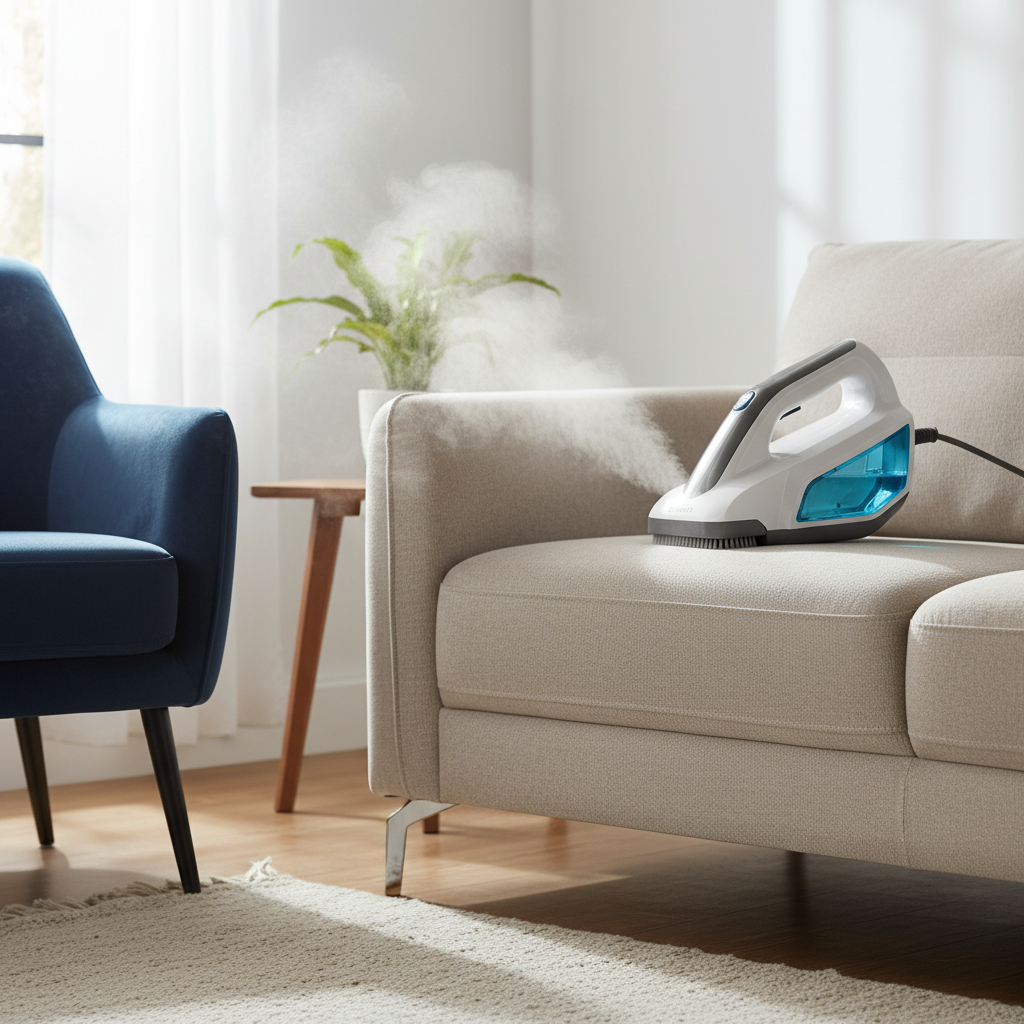
Ever pulled out a favorite garment, only to find it carries a lingering, unwelcome scent? From the subtle mustiness of storage to stronger traces of smoke, sweat, or cooking odors, these lingering smells can make clothes feel less than fresh, even if they appear clean. While a full wash cycle is often the go-to solution, it’s not always necessary or ideal, especially for delicate fabrics or when you’re short on time. This is where handheld garment steamers become your wardrobe’s secret weapon. These compact devices offer a quick, gentle, and highly effective way to refresh your clothes, eliminating odors at their source and leaving your fabrics feeling revitalized without the need for harsh chemicals or frequent trips to the dry cleaner. This comprehensive guide will explore how these ingenious devices work, what essential features to look for, and recommend top models to help you effortlessly maintain a fresh and impeccable wardrobe.
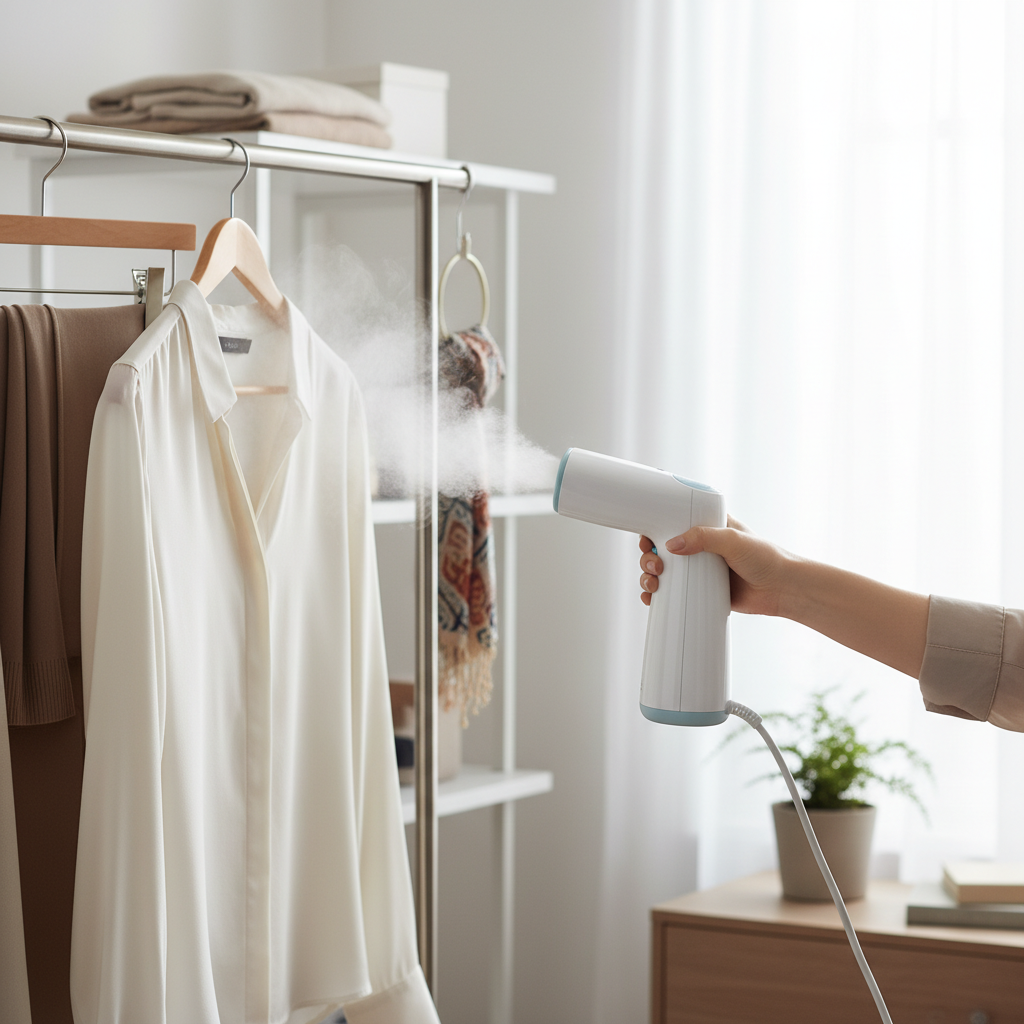
What is a Handheld Garment Steamer and How Does it Combat Odors?
A handheld garment steamer is a portable appliance designed to emit a continuous flow of hot steam, primarily used for smoothing wrinkles from fabrics. However, its utility extends far beyond just de-wrinkling. At its core, a steamer combats odors through a simple yet powerful scientific principle: heat. The heated steam penetrates deep into fabric fibers, effectively loosening trapped odor particles and, crucially, neutralizing odor-causing bacteria and germs that cling to clothes. This process addresses the root cause of the smell, rather than merely masking it with fragrances.
Compared to traditional washing, steaming is a much gentler alternative, making it ideal for delicate items that can’t withstand frequent machine cycles or dry-clean-only garments. It also uses significantly less water than a washing machine, making it a more environmentally friendly choice for refreshing clothes between full washes. For garments that are visibly clean but just need a quick freshen-up, a handheld steamer saves time, preserves fabric quality, and eliminates unwanted scents without the fuss.
Types of Handheld Garment Steamers
Handheld garment steamers come in various designs and with different features, though their core function remains consistent. While upright models exist for heavier use, handheld versions prioritize portability and convenience.
Steamers can be broadly categorized by their power (wattage) and specific functionalities:
- By Wattage/Power: The power of a steamer, measured in watts, directly influences how quickly it heats up and how strong its steam output will be. Lower wattage (e.g., 600-1000W) models are often smaller and best for light travel or quick touch-ups on lightweight fabrics. Mid-range (1000-1500W) and higher wattage (1500-2000W) models offer faster heat-up times and more robust, consistent steam, which is particularly effective for deeper penetration and odor elimination on a wider range of fabrics.
- By Features: Some handheld steamers offer basic on/off functionality, while others include advanced features like multiple steam settings for different fabric types, continuous steam lock functions that remove the need to hold down a trigger, and ergonomic designs for comfortable handling.
- Popular Brands: Several brands are well-regarded for their handheld garment steamers, known for their effectiveness in both wrinkle and odor removal. Brands like Conair, Rowenta, Hilife, Russell Hobbs, Philips, and Steamery frequently appear in expert recommendations and user reviews. Each brand often offers a range of models, catering to different needs and budgets, from ultra-compact travel steamers to more robust handheld units for home use.
Choosing the Right Handheld Garment Steamer for Odor Removal
Selecting the perfect handheld garment steamer requires considering several factors to ensure it meets your specific needs for odor elimination and fabric care.
Assessing Your Usage Needs
Before diving into technical specifications, think about how you’ll primarily use your steamer:
- Main Purpose: Are you looking for a steamer mainly for quick refreshes between washes, to tackle odors on travel clothes, or to care for specific “dry-clean only” items?
- Frequency of Use: If you plan to steam daily, a more powerful model with a larger water tank will be beneficial. For occasional use, a compact, budget-friendly option might suffice.
- Fabric Types: Consider the fabrics you’ll most often steam. While steamers are generally safe for most materials, some delicate fabrics like silk or heavily embellished items require gentler steam settings. Heavier fabrics like denim or wool benefit from stronger, more consistent steam.
|
Our Picks for the Best Handheld garment steamer in 2026
As an Amazon Associate I earn from qualifying purchases.
|
||
| Num | Product | Action |
|---|---|---|
| 1 | OGHom Portable Travel Handheld Steamer for Clothes, Garment Wrinkle Remover, 1000W Strong Penetrating Fabric Steamer, for Home, Office, Travel (ONLY FOR 120V) -White |

|
| 2 | Conair Handheld Garment Steamer for Clothes, Turbo ExtremeSteam 1875W Fabric Steamer, Portable Handheld Design, Strong Penetrating Steam, White/Champagne |
|
| 3 | HiLIFE Steamer for Clothes, Portable Handheld Clothing Steamer, 240ml Big Capacity, 700W, Strong Power, Fabric Quick Wrinkle Remover with Brush for Home, Office(ONLY 120V) -Blue |
|
| 4 | HiLIFE Steamer for Clothes, Portable Handheld Design, 240ml Big Capacity, 700W, Strong Penetrating Steam, Removes Wrinkle, for Home, Office(ONLY FOR 120V)-Black |
|
| 5 | Bear Steamer for Clothes, Handheld Clothes Steamer,1300W Strong Power Garment Steamer with 230ml Tank,Fast Heat-up, Auto-Off, Steam Iron Fabric Wrinkle Remover with Brush for Home and Travel |
|
| 6 | BEAUTURAL Steamer for Clothes, Portable Handheld Garment Fabric Wrinkles Remover, Aluminun Heating Plate, 35-Second Fast Heat-up, Large Detachable Water Tank (Only for 120V), Blue |
|
| 7 | Conair Handheld Garment Steamer for Clothes, ExtremeSteam 1200W, Portable Handheld Design,White/Blue |
|
| 8 | Conair Handheld Garment Steamer for Clothes, Turbo ExtremeSteam 1875W Fabric Steamer, Portable Handheld Design, Strong Penetrating Steam, Amazon Exclusive, Black |
|
| 9 | Jack & Rose Travel Steamer for Clothes,100-220V Portable Iron,15s Heat Up,Steamer & Iron 2 In 1, Travel Size,Large Ceramic Heat Panel,for Global and Europe |
|
| 10 | HiLIFE Upgraded Steamer for Clothes, Handheld & Portable, 1100W Powerful Steam, 300ml Big Capacity & No Leak Design, 30S Fast Heat-up, Quick Wrinkle Remover, Compact Size for Travel, ONLY 120V |
|
Key Technical Specifications
Paying attention to these technical details will help you choose a steamer that delivers optimal performance for odor removal:
- Wattage/Power: For effective odor elimination, which requires steam hot enough to neutralize bacteria, look for handheld steamers in the 1000-watt to 2000-watt range. Higher wattage generally translates to quicker heat-up times and more powerful, consistent steam, essential for deep fabric penetration.
- Water Tank Capacity: The tank size determines how long you can steam continuously without refilling. Handheld models typically have smaller tanks (ranging from 2.5 to 8 ounces), offering about 5 to 15 minutes of continuous steam. A larger tank is convenient for steaming multiple items or larger garments.
- Heat-up Time: When you’re in a hurry, a fast heat-up time is invaluable. Many efficient handheld steamers are ready to use in 30 to 60 seconds.
- Steam Output & Consistency: Look for models that produce a strong, consistent flow of steam. This ensures efficient and even penetration into fabrics, which is key for thoroughly removing odors and wrinkles.
- Plate Material: The soleplate or nozzle material can impact performance. Ceramic or stainless steel plates are often preferred as they glide smoothly over fabrics and minimize water spotting.
- Weight and Portability: Since you’ll be holding the device, weight and ergonomic design are crucial. A lightweight and well-balanced steamer will be more comfortable to use, especially during longer steaming sessions or when traveling.
Essential Additional Features
Beyond the core specifications, certain features can significantly enhance your steaming experience:
- Adjustable Steam Levels: This allows you to customize the steam intensity for various fabric types, protecting delicate materials while providing ample power for tougher ones.
- Auto Shut-off: A vital safety feature, automatically turning off the steamer when the water runs out or if it’s left idle for too long, preventing overheating.
- Attachments: Common accessories include fabric brushes (helpful for thicker fabrics and removing lint/pet hair, aiding steam penetration), creaser attachments for sharp lines, and delicate fabric spacers.
- Continuous Steam Lock: This feature lets you lock the steam trigger in the “on” position, providing continuous steam without requiring you to hold the button down, reducing hand fatigue.
Top Handheld Garment Steamers for Odor Elimination
Choosing the right handheld garment steamer can make a significant difference in keeping your clothes fresh and odor-free. Here’s a comparison of some popular models highly rated for their performance in odor elimination:
Detailed Comparison Table
| Brand | Model | Wattage | Tank Capacity | Key Advantages for Odor Removal | Considerations |
|---|---|---|---|---|---|
| Conair | Turbo ExtremeSteam Handheld | 1875W | 7.3 oz | Powerful, 5 steam settings, quick heat-up, effective for drapery/upholstery. | Slightly larger for a handheld unit. |
| Rowenta | X-Cel Handheld (e.g., DR8120) | 1600W | 6.4 oz | Ergonomic design, reliable, consistent steam. | May require frequent refills for multiple items. |
| Hilife | Handheld Portable Clothes Steamer | ~700W | 8.12 oz | Excellent value, lightweight, highly portable. | Lower wattage may require more passes for tough odors. |
| Russell Hobbs | Steam Genie 2-in-1 Handheld | 1700W | 5 oz | Dual function as a flat iron, powerful steam jet. | Slightly longer heat-up (60 seconds) compared to some. |
| Steamery | Cirrus 3 Iron Steamer | 1000W | 2.8 oz | Stylish design, noted for reducing smells and killing bacteria, hybrid iron plate. | Premium price, very small water tank capacity. |
| Philips | Steam and Go Plus Handheld | 1300W | 2.4 oz | Very easy to use, compact, ergonomic, can be used horizontally. | Smallest water tank, best for single items/travel. |
“Steaming is the secret weapon of garment care. You can steam the vast majority of your clothing and be pretty happy with the results. It’s gentler than ironing, and often quicker.” – Zach Pozniak, Vice-President of Operations at Jeeves New York
How to Effectively Use and Maintain Your Steamer for Odor Removal
To maximize your handheld garment steamer’s effectiveness in banishing odors and ensure its longevity, proper usage and maintenance are key.
Safe and Effective Usage
- Preparation: Hang your garment on a hanger in a well-ventilated area. This allows steam to circulate and odors to dissipate. For optimal results and to prevent mineral buildup that can lead to “spitting” and fabric stains, always fill your steamer’s tank with distilled water. For exceptionally stubborn odors, some experts suggest misting the affected areas with a half-and-half mixture of water and high-proof vodka or plain white vinegar before steaming.
- Preheat Thoroughly: Allow your steamer to fully heat up before use. This ensures a consistent, powerful steam output necessary for odor neutralization.
- Steaming Technique: Hold the steamer upright and move it in slow, vertical strokes across the fabric, working from top to bottom. Pay extra attention to areas prone to odors, such as underarms, collars, and pockets. Hold the steam head close enough to the fabric for effective penetration but avoid prolonged direct contact, especially with delicate materials.
- Air Out: After steaming, allow the garment to hang in a well-ventilated space for 10-15 minutes. This crucial step lets any residual moisture dry completely and ensures remaining odors fully dissipate. Avoid putting damp clothes directly back into your closet.
- For Delicate Fabrics: Use the lowest steam setting or hold the steamer slightly farther away, applying short bursts of steam to prevent damage.
Cleaning and Maintenance
- Descaling: Mineral buildup from tap water can clog your steamer and reduce its efficiency. Regularly descale your steamer, typically every 1 to 3 months depending on usage and water hardness. Follow your manufacturer’s instructions, which often involve steaming a solution of equal parts white vinegar and distilled water.
- Empty After Use: Always empty any remaining water from the reservoir after each use and allow the tank to air dry. This prevents stagnant water and mineral deposits.
- Proper Storage: Store your cooled and emptied steamer in a dry place, ideally in its original packaging or a dedicated storage bag, to protect it from dust and damage.
- Troubleshooting: If your steamer starts spitting water, it’s often a sign of mineral buildup. Descaling and switching to distilled water should resolve this issue.
Where to Purchase Handheld Garment Steamers
Finding the perfect handheld garment steamer is easier than ever with numerous purchasing options available.
- Online Retailers: Major online marketplaces like Amazon, Walmart, and the official websites of brands like Conair, Rowenta, and Philips offer a vast selection, often with competitive pricing and detailed customer reviews. This allows for convenient comparison shopping from the comfort of your home.
- Department and Electronics Stores: For those who prefer to see and handle products before buying, stores such as Best Buy, Target, and various department stores typically carry a range of popular handheld steamer models. Sales associates can also provide hands-on advice.
- Specialty Appliance Stores: While less common for handheld models, dedicated appliance stores might offer a broader selection of high-end or niche steamers and more specialized product knowledge.
When purchasing online, always review the product specifications, read recent customer reviews focusing on odor removal and durability, and check the warranty and return policies to ensure a satisfactory purchase.
Buying Guide: Making the Smart Choice for a Fresh Wardrobe
Making the smart choice for a handheld garment steamer means investing in a tool that truly elevates your garment care routine and keeps your wardrobe perpetually fresh.
How Much Should You Budget?
Handheld garment steamers span a wide price range, from budget-friendly options under $30 to premium models exceeding $100.
- Entry-Level (Under $40): These are great for occasional use, travel, and light fabrics. They typically have lower wattage and smaller water tanks.
- Mid-Range ($40-$80): This segment offers a balance of power, features, and durability. You’ll find faster heat-up times, larger tanks, and often multiple steam settings. Many of the top-rated models fall into this category.
- High-End ($80+): These often boast superior power, advanced features like specialized attachments or hybrid ironing plates, exceptional build quality, and ergonomic designs for frequent, heavy-duty use. Consider these if you steam often or have a demanding wardrobe.
Comparing prices across different retailers can often yield significant savings, especially during sales events.
Which Brands Are Trustworthy?
Reputation matters when it comes to home appliances. Brands like Conair, Rowenta, Philips, and Steamery have consistently received positive feedback for their garment steamers. Investigating a brand’s warranty policy and customer service reputation is also crucial, as reliable post-purchase support can be invaluable. A strong warranty indicates the manufacturer’s confidence in their product’s durability.
What Do Other Users Say?
Customer reviews and expert opinions are invaluable resources.
- Seek out reviews that specifically mention the steamer’s effectiveness in removing odors, not just wrinkles. Look for comments on how it handles different types of smells (e.g., smoke, body odor, cooking).
- Pay attention to feedback regarding heat-up time, steam consistency, water tank capacity (how many garments can be steamed on one fill), and any issues like water spitting.
- Expert recommendations from stylists, dry cleaners, or home product reviewers can provide insights into a steamer’s long-term performance and suitability for specific tasks.
By carefully considering your needs, budget, and the experiences of other users, you can confidently choose a handheld garment steamer that will become an indispensable tool in maintaining a wonderfully fresh and odor-free wardrobe.
Frequently Asked Questions
What kind of water should I use in my garment steamer?
It’s highly recommended to use distilled water in your garment steamer to prevent mineral buildup, which can lead to sputtering, staining, and reduced efficiency. While tap water is often used, it contains minerals that can cause limescale, so distilled water is always the best choice for longevity and performance.
Can a garment steamer remove strong odors like smoke or sweat?
Yes, a powerful garment steamer can significantly reduce or eliminate strong odors such as smoke, sweat, and cooking smells. The high-temperature steam penetrates fabric fibers to neutralize odor-causing bacteria and release trapped odor molecules. For particularly stubborn scents, pretreating with a mist of plain white vinegar or a water-vodka mixture can enhance the odor-removing effect.
How often should I steam my clothes for odor removal?
You can steam your clothes for odor removal as often as needed, typically between washes or dry cleaning. It’s an excellent method for refreshing garments after a single wear or for items that have been stored and developed a musty smell. Frequent steaming is gentle on fabrics and helps prolong their life compared to excessive washing.
Is steaming better than washing for odor removal?
Steaming is not a substitute for washing heavily soiled or stained clothes, but it is often better for odor removal on otherwise clean garments. It’s gentler on fabrics, more water-efficient, and quicker than a full wash cycle, making it ideal for refreshing clothes and killing odor-causing bacteria without the wear and tear of laundering.
Can I use essential oils in my steamer?
Most manufacturers advise against adding essential oils directly to your steamer’s water tank, as they can cause clogs or damage internal components. If you wish to add a fragrance, you can lightly mist your garment with a fabric-safe spray or a diluted essential oil spray after steaming, ensuring the fabric is dry before applying.