Are you tired of battling stubborn wrinkles with traditional irons, or simply looking for a quicker, gentler way to keep your wardrobe pristine? Handheld garment steamers have revolutionized fabric care, offering unparalleled convenience and efficiency. These compact devices are perfect for quick touch-ups, delicate materials, and even refreshing garments between washes. But with a plethora of options available, choosing the right steamer can feel overwhelming, especially when faced with varying power specifications. The wattage of a handheld garment steamer is a crucial factor, directly impacting its performance, speed, and effectiveness.
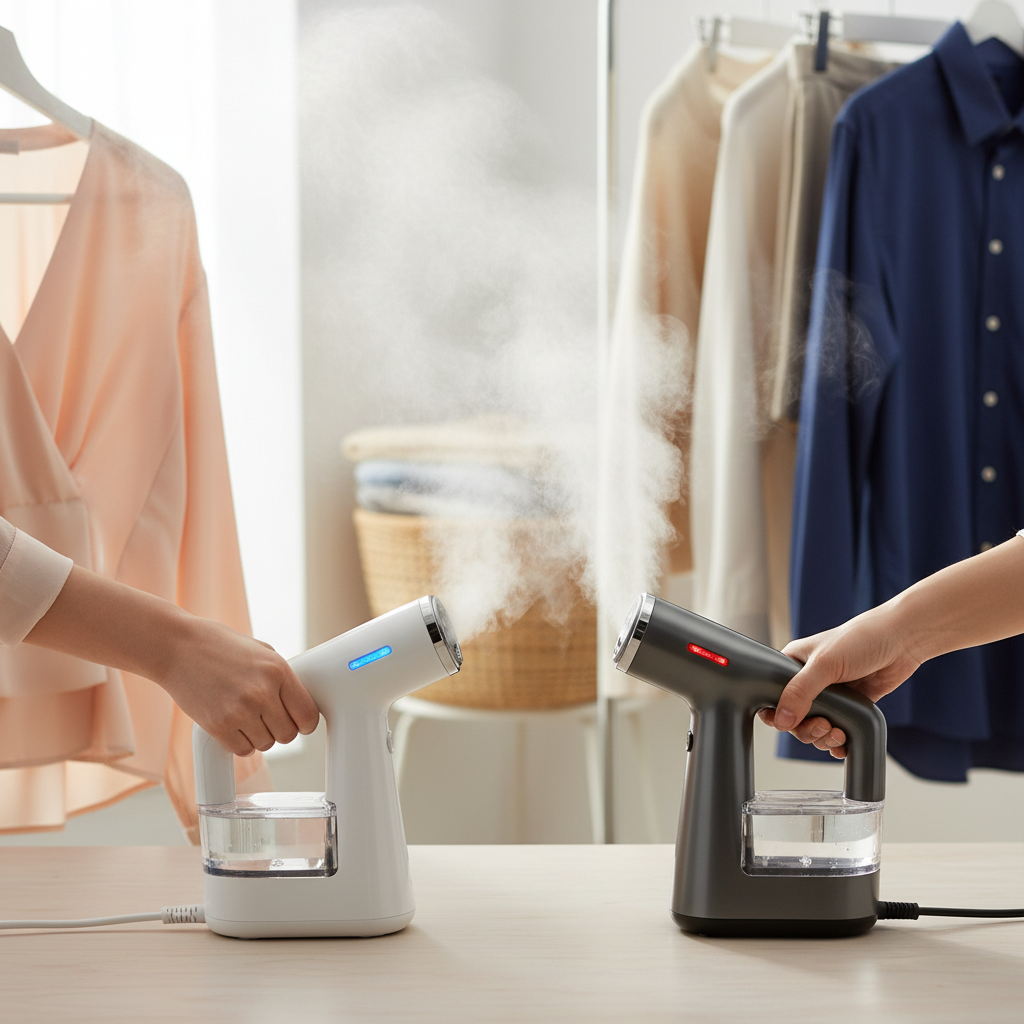
This comprehensive guide will delve into the core differences between 1000-watt and 1500-watt handheld garment steamers, helping you understand which power level best suits your lifestyle and fabric care needs. We’ll explore everything from heat-up times and steam output to portability and ideal use cases, ensuring you make an informed decision for wrinkle-free confidence.
What is a Handheld Garment Steamer?
A handheld garment steamer is a compact, portable appliance designed to swiftly remove wrinkles from clothes and fabrics using high-temperature steam. Unlike traditional irons that rely on direct heat and pressure, a steamer works by relaxing the fabric fibers with steam, causing wrinkles to naturally fall out without the need for an ironing board. This method is particularly gentle, making it safe for delicate materials like silk, chiffon, and wool that might be easily damaged by an iron. Beyond wrinkle removal, these versatile devices can also help refresh garments, neutralize odors, and even sanitize certain surfaces.
The fundamental principle behind a handheld garment steamer involves heating water in a reservoir until it produces a continuous flow of hot steam. This steam is then directed onto the fabric, penetrating the fibers and allowing them to return to their original, smooth state. Their convenience and ease of use have made them a popular alternative for busy individuals, travelers, and anyone looking to simplify their garment care routine.
Types of Handheld Garment Steamers
Handheld garment steamers vary widely, mainly categorized by their power, features, and intended use. Understanding these distinctions helps in selecting a model that aligns with specific demands, from a quick morning refresh to more extensive fabric treatments.
Generally, handheld steamers can be classified by their power output, which is measured in watts (W). Lower wattage models (e.g., 500-800W) are typically more compact and lighter, ideal for very light fabrics and occasional travel use, though they may have weaker steam output. Mid-range models, often falling between 1000W and 1500W, strike a balance between power and portability, catering to everyday household needs and a wider range of fabrics. Higher wattage handheld steamers (1500W and above, up to 2000W for some robust handhelds) offer professional-level performance in a portable format, characterized by rapid heat-up and powerful, continuous steam suitable for stubborn wrinkles and thicker materials.
Beyond wattage, handheld steamers can also be differentiated by their design and features. Some are basic, offering a single steam setting, while others boast multiple steam modes, automatic shut-off functions for safety, and larger detachable water tanks for extended steaming sessions. Popular brands often innovate with specialized attachments like fabric brushes and crease tools, enhancing versatility across different garment types. The choice often boils down to balancing power, portability, and practical features for your specific garment care routine.
Guide to Choosing a Handheld Garment Steamer
Selecting the perfect handheld garment steamer involves considering several factors that go beyond just aesthetics. A thoughtful approach ensures you invest in a device that genuinely meets your needs and provides efficient, long-lasting performance.
Determine Your Usage Needs
Before diving into technical specifications, consider how you intend to use the steamer. What is your primary purpose?
- Travel: If you frequently travel, prioritize a lightweight, compact model with a quick heat-up time and potentially dual voltage.
- Daily Home Use: For regular touch-ups on a variety of clothes, a mid-range steamer (1000-1500W) with a decent water tank capacity is often sufficient.
- Heavy-Duty or Large Families: If you steam many garments or thicker fabrics regularly, a higher wattage model (1500W+) with a larger water reservoir would be more efficient.
- Delicate Fabrics: Most steamers are safe for delicates, but look for models with consistent, gentle steam output or multiple steam settings.
|
Our Picks for the Best Handheld garment steamer in 2026
As an Amazon Associate I earn from qualifying purchases.
|
||
| Num | Product | Action |
|---|---|---|
| 1 | Conair Handheld Garment Steamer for Clothes, Turbo ExtremeSteam 1875W Fabric Steamer, Portable Handheld Design, Strong Penetrating Steam, Amazon Exclusive, Black |

|
| 2 | HiLIFE Upgraded Steamer for Clothes, Handheld & Portable, 1100W Powerful Steam, 300ml Big Capacity & No Leak Design, 30S Fast Heat-up, Quick Wrinkle Remover, Compact Size for Travel, ONLY 120V |
|
| 3 | BEAUTURAL Steamer for Clothes, Portable Handheld Garment Fabric Wrinkles Remover, Aluminun Heating Plate, 35-Second Fast Heat-up, Large Detachable Water Tank (Only for 120V), Blue |
|
| 4 | Conair Handheld Garment Steamer for Clothes, ExtremeSteam 1200W, Portable Handheld Design,White/Blue |
|
| 5 | HiLIFE Steamer for Clothes, Portable Handheld Design, 240ml Big Capacity, 700W, Strong Penetrating Steam, Removes Wrinkle, for Home, Office(ONLY FOR 120V)-Black |
|
| 6 | OGHom Portable Travel Handheld Steamer for Clothes, Garment Wrinkle Remover, 1000W Strong Penetrating Fabric Steamer, for Home, Office, Travel (ONLY FOR 120V) -White |
|
| 7 | Bear Steamer for Clothes, Handheld Clothes Steamer,1300W Strong Power Garment Steamer with 230ml Tank,Fast Heat-up, Auto-Off, Steam Iron Fabric Wrinkle Remover with Brush for Home and Travel |
|
| 8 | HiLIFE Steamer for Clothes, Portable Handheld Clothing Steamer, 240ml Big Capacity, 700W, Strong Power, Fabric Quick Wrinkle Remover with Brush for Home, Office(ONLY 120V) -Blue |
|
| 9 | Conair Handheld Garment Steamer for Clothes, Turbo ExtremeSteam 1875W Fabric Steamer, Portable Handheld Design, Strong Penetrating Steam, White/Champagne |
|
| 10 | Jack & Rose Travel Steamer for Clothes,100-220V Portable Iron,15s Heat Up,Steamer & Iron 2 In 1, Travel Size,Large Ceramic Heat Panel,for Global and Europe |
|
The frequency of use and the types of fabrics you commonly wear will heavily influence the ideal steamer for you.
Essential Technical Factors to Consider
Technical specifications play a critical role in a steamer’s performance and usability. Pay close attention to these elements:
- Wattage (Power): This is perhaps the most significant factor. Higher wattage (e.g., 1500W) generally translates to faster heat-up times and a stronger, more consistent steam output, which is more effective for removing stubborn wrinkles from heavier fabrics. A lower wattage (e.g., 1000W) might be more energy-efficient for light use but will take longer to heat up and may struggle with thicker materials. The optimal range for home use is often between 1,000 and 2,000 watts.
- Water Tank Capacity: Measured in milliliters (ml), the tank size determines how long you can steam continuously without refilling. Smaller tanks (e.g., 150ml) are great for portability but require more frequent refills, while larger tanks (e.g., 250-350ml) offer extended steaming sessions.
- Heat-Up Time: How quickly the steamer reaches its operating temperature is crucial for convenience. High-wattage models can heat up in as little as 20-30 seconds, while lower wattage ones might take a minute or more.
- Steam Flow Rate (g/min): This indicates the amount of steam emitted per minute. A higher flow rate ensures more steam and quicker, more effective wrinkle removal.
- Weight and Size: For a handheld device, portability is key. Look for a steamer that feels comfortable in your hand and isn’t too heavy (ideally under 2 pounds) for prolonged use, especially if you plan to travel with it.
Additional Features to Enhance Your Experience
Modern handheld garment steamers often come with a variety of extra features that can significantly improve their utility:
- Automatic Shut-off: A vital safety feature that turns off the steamer if it runs out of water or overheats, preventing damage to the appliance and potential hazards.
- Continuous Steam Lock: This feature allows steam to be released continuously without holding down a trigger, reducing hand fatigue during longer steaming sessions.
- Attachments: Many steamers include accessories like fabric brushes (to help penetrate thicker materials and remove lint), crease attachments (for sharp creases), and even delicate fabric shields.
- Dual Voltage: Essential for international travelers, allowing the steamer to be used in different countries without a voltage converter.
- Indicator Lights: Lights that show when the steamer is heating up and when it’s ready for use.
Considering these technical aspects and additional features will guide you towards a handheld garment steamer that not only performs well but also integrates seamlessly into your life.
Comparing Popular Handheld Garment Steamer Wattages
The choice between a 1000-watt and a 1500-watt handheld garment steamer is often the most significant decision for users. While both offer convenience, their performance characteristics cater to different demands and expectations. Understanding these distinctions is key to making the best selection.
A 1000-watt handheld garment steamer is generally considered an excellent entry-point or a reliable choice for lighter, everyday needs. These models are typically more compact and lighter, making them highly portable and ideal for travel or quick touch-ups on thin or moderately wrinkled fabrics. They are also often more energy-efficient, drawing less power. However, their lower wattage means they might take longer to heat up and produce less steam volume, which can be less effective on very stubborn wrinkles or thicker materials like denim, wool, or heavily creased linen.
In contrast, a 1500-watt (or higher) handheld garment steamer offers a noticeable upgrade in performance. With increased power, these steamers typically boast significantly faster heat-up times, often being ready to use in under 30 seconds. They generate a more robust and consistent stream of steam, allowing for quicker wrinkle removal and superior penetration on a wider range of fabrics, including heavier garments and drapes. While they may be slightly larger or heavier than their 1000W counterparts and consume more electricity, the enhanced efficiency and power often justify the difference for users who require faster results or handle diverse fabric types regularly. For many, a 1000-1500 watt range provides the best combination of performance and value for home use.
Detailed Comparison Table: 1000W vs. 1500W
To further illustrate the differences, here’s a comparison based on typical performance characteristics and some specific models like the Steamery Cirrus series, which directly offers both wattages in their handheld range.
| Feature | 1000 Watts (Typical) | 1500 Watts (Typical) | Steamery Cirrus 3 (1000W) | Steamery Cirrus 1/2 (1500W) |
|---|---|---|---|---|
| Heat-up Time | Longer (e.g., 45-60+ seconds) | Faster (e.g., 20-30 seconds) | Fast (approx. 25-45 sec) | Very Fast (approx. 20-30 sec) |
| Steam Output | Moderate, suitable for light fabrics | Stronger, more consistent, effective for thick fabrics | Good, with ironing plate effect | Stronger, more continuous |
| Water Tank | Small to medium (e.g., 150-200ml) | Medium (e.g., 200-300ml) | 90ml | 90ml |
| Best For | Quick touch-ups, travel, delicate fabrics | Regular use, varied fabrics, heavier wrinkles | Versatile (steaming & ironing), travel | Everyday use, quick refresh, travel |
| Pros | More energy-efficient, often lighter and compact | Faster, more powerful, efficient on tough wrinkles | Auto-shutdown, iron plate, compact | Rapid results, effective, compact for travel |
| Cons | Slower, less effective on heavy wrinkles, smaller tank | Might be slightly heavier/larger, higher power draw | Small water tank, needs frequent refills | Small water tank, Cirrus 1/2 lack auto-shutdown |
| Typical Price | Generally lower ($30-$60) | Generally mid-range to higher ($50-$100+) | Premium Range | Premium Range |
“For most users, a mid-range model with 1000–1500 watts offers the best combination of performance and value, significantly reducing garment prep time and protecting delicate fabrics.” – Expert Reviewers, Garment Steamer Buying Guides
This table highlights that while 1000W models are great for convenience and portability, 1500W models offer superior speed and power for more demanding tasks. The Steamery models demonstrate that even with a similar small tank capacity, the higher wattage in Cirrus 1/2 would generally translate to more powerful steam generation compared to the 1000W Cirrus 3, though the latter compensates with an ironing plate feature.
How to Use and Maintain Your Handheld Garment Steamer
To ensure your handheld garment steamer performs optimally and lasts for years, proper usage and diligent maintenance are essential. Following these guidelines will maximize its effectiveness and prevent common issues.
Safe and Effective Usage Tips
- Prepare Your Garment: Hang the garment on a hanger. Gently pull the fabric taut with one hand while steaming with the other. For best results, ensure clothes are slightly damp or mist them lightly before steaming.
- Fill with Distilled Water: Always use distilled or demineralized water. Tap water contains minerals that can build up inside the steamer, causing limescale, clogging, and spitting. If distilled water isn’t available, filtered water with low mineral content is a better alternative than hard tap water.
- Allow to Heat Up Fully: Wait for the indicator light to show the steamer is ready. Rushing this can lead to water sputtering instead of steam. Higher wattage steamers heat up faster, enhancing this convenience.
- Steam Vertically: Hold the steamer nozzle a few inches away from the fabric and move it in slow, downward strokes. Avoid pressing the nozzle directly against the fabric, especially for delicate materials, unless specifically designed for that.
- Be Mindful of Safety: Always wear shoes when operating electrical devices. Do not direct steam at yourself, others, or sensitive items like plants. Unplug the steamer before refilling the water tank or changing attachments.
Cleaning and Regular Maintenance
Consistent cleaning and maintenance are crucial for extending the lifespan of your steamer:
- Empty After Each Use: Never leave water in the tank after use. This prevents mineral buildup, bacterial growth, and potential leaks. Empty the tank, let it air dry, and store the steamer in a cool, dry place.
- Clean Exterior: Wipe down the exterior with a dry towel after each use to remove moisture and prevent rust or corrosion.
- Inspect Nozzle: Regularly check the steam holes for any residue or blockages. A clogged nozzle can reduce steam output or prevent it entirely.
- Descale Periodically: Depending on usage and water hardness, descale your steamer every 2-3 months, or monthly if used daily. Mix equal parts white vinegar and distilled water (1:1 ratio). Fill the tank with this solution, heat the steamer, and release the steam into a sink until the tank is empty. Follow with a tank of plain distilled water to rinse out any vinegar residue.
- Cool Down Before Storing: Always allow the steamer to cool down completely (at least 60 minutes) before packing it away, especially for travel models.
Adhering to these simple steps will ensure your handheld garment steamer remains a reliable tool for wrinkle-free clothes.
Where to Purchase Handheld Garment Steamers
Finding the right handheld garment steamer is easier than ever, with numerous options available both online and in physical stores. Knowing where to look can help you compare models, read reviews, and find the best deals.
Online Retailers:
- E-commerce Giants: Websites like Amazon, eBay, and Walmart.com offer an extensive selection of handheld garment steamers from various brands, often with competitive pricing and user reviews. Searching for “handheld garment steamer 1500W” or “travel steamer 1000W” will yield many results.
- Brand Websites: Many manufacturers, such as Conair, Rowenta, Electrolux, and Steamery, sell their products directly through their official websites. This can be a good source for detailed product specifications, warranty information, and exclusive offers.
- Specialty Appliance Stores: Online shops focusing on home appliances or laundry care might offer a curated selection and expert advice.
Physical Stores:
- Department Stores: Major department stores often carry a range of small home appliances, including handheld garment steamers. You can physically compare models and get a feel for their weight and ergonomics.
- Electronics and Home Goods Stores: Retailers specializing in electronics or general home goods typically have a section for garment care appliances.
- Supermarkets/Hypermarkets: Some larger supermarkets may stock basic or entry-level handheld steamers.
Tips for Online Shopping:
- Read Reviews: Pay close attention to user reviews regarding performance, durability, and common issues.
- Compare Specifications: Double-check wattage, water tank capacity, heat-up time, and included accessories.
- Check Warranty and Return Policies: Understand the manufacturer’s warranty and the retailer’s return policy before purchasing.
Whether you prefer the convenience of online shopping or the hands-on experience of in-store browsing, there are ample opportunities to find the perfect handheld garment steamer.
Buying Guide: Making Your Final Decision
Choosing a handheld garment steamer is an investment in maintaining your wardrobe and simplifying your life. By considering a few key aspects, you can confidently select a device that delivers optimal performance and value.
What is Your Budget?
Handheld garment steamers come in a wide range of price points, generally correlating with their power, features, and brand reputation.
- Budget-Friendly (Under $50): These often include 800-1000W models, ideal for occasional use, travel, and light fabrics. They might have smaller tanks and fewer advanced features.
- Mid-Range ($50-$100): This segment typically offers 1000-1500W steamers with faster heat-up times, larger water tanks, and a good balance of features like auto-shutoff and various attachments. These are excellent for regular home use.
- Premium ($100+): These models often boast 1500W+ power, advanced technologies (e.g., dual heating elements), superior build quality, extensive accessory kits, and sometimes even dual functionality (steamer/iron combos). Brands like Steamery often fall into this category, offering high-performance models with sleek designs.
Comparing prices across different retailers can help you find the best value within your chosen budget.
Which Brands Are Reliable?
Several brands have established reputations for quality and reliability in the garment steamer market. Some of the most frequently recommended include:
- Conair: Known for powerful handheld steamers, often praised for efficiency and wrinkle removal.
- Rowenta: Recognized for precise engineering, robust steam output, and reliable safety features.
- Jiffy Steamer: A long-standing brand, often favored by professionals for its durable build and consistent performance.
- Electrolux: Offers effective steaming power and convenient designs.
- Philips: Known for innovative features and leak-proof designs in their travel steamers.
- Steamery: A premium brand focusing on minimalist design and effective performance, with models at both 1000W and 1500W.
Investigating a brand’s warranty policy and customer service reputation is also a wise step, as good after-sales support can be invaluable.
Read Reviews from Other Users
Before making a final purchase, take the time to read user reviews on e-commerce sites, product review blogs, and consumer forums. These insights provide real-world feedback on a steamer’s durability, performance, ease of use, and any potential flaws.
- Look for patterns: Are many users reporting similar issues (e.g., spitting water, short lifespan, poor steam output)?
- Consider your needs: Do reviewers with similar usage patterns as yours find the steamer effective?
- Pay attention to fabric types: Does the steamer perform well on the specific types of fabrics you intend to steam?
User reviews are an invaluable resource for gaining a comprehensive understanding of a product beyond its marketing claims.
Conclusion
Choosing the ideal handheld garment steamer, especially when comparing 1000-watt and 1500-watt models, boils down to balancing power with your specific needs. A 1000-watt handheld garment steamer is a fantastic choice for those prioritizing portability, energy efficiency, and quick touch-ups on lighter fabrics. For those who demand faster results, more robust steam, and the ability to tackle tougher wrinkles across a wider range of materials, investing in a 1500-watt model will undoubtedly offer superior performance and efficiency. Ultimately, both wattages provide a convenient alternative to traditional ironing, enhancing your garment care routine.
By carefully considering your budget, identifying trusted brands, and leveraging the experiences of other users, you can confidently select the handheld garment steamer that will keep your clothes looking crisp and professional. Which wattage will transform your daily routine and keep your clothes looking their best?
Frequently Asked Questions
Is a 1000-watt handheld garment steamer powerful enough?
A 1000-watt handheld garment steamer is generally powerful enough for light to moderate use, quick touch-ups, and delicate fabrics. It excels in portability and energy efficiency, making it a good choice for travelers or individuals with minimal steaming needs. However, it may take longer to heat up and might be less effective on heavily wrinkled or thick fabrics compared to higher-wattage models.
What are the main benefits of a 1500-watt handheld garment steamer?
A 1500-watt handheld garment steamer offers several key benefits, including significantly faster heat-up times and a more powerful, consistent steam output. This makes it highly efficient for removing stubborn wrinkles from a wider variety of fabrics, including heavier materials like denim, wool, and drapes. It’s ideal for regular home use and for those seeking professional-level results.
Can I use a handheld garment steamer on all types of fabrics?
Most handheld garment steamers are safe for nearly all fabric types, including delicate materials like silk, chiffon, lace, and synthetics that can be easily damaged by an iron. They are also effective on cotton, linen, wool, and blends. Always check the garment care label first, and if in doubt, test on an inconspicuous area.
How often should I descale my handheld garment steamer?
It is recommended to descale your handheld garment steamer every 2 to 3 months for regular users, or monthly if you use it daily or with hard tap water. Descaling helps prevent mineral buildup and ensures consistent steam output and longevity of the appliance. Use a solution of equal parts white vinegar and distilled water for best results.
Is there a noticeable difference in heat-up time between 1000W and 1500W models?
Yes, there is often a noticeable difference in heat-up time. 1500-watt handheld garment steamers typically heat up much faster, often ready in 20-30 seconds, allowing for quicker wrinkle removal during rushed mornings. 1000-watt models usually take longer, sometimes 45-60 seconds or more, to reach their optimal steaming temperature.