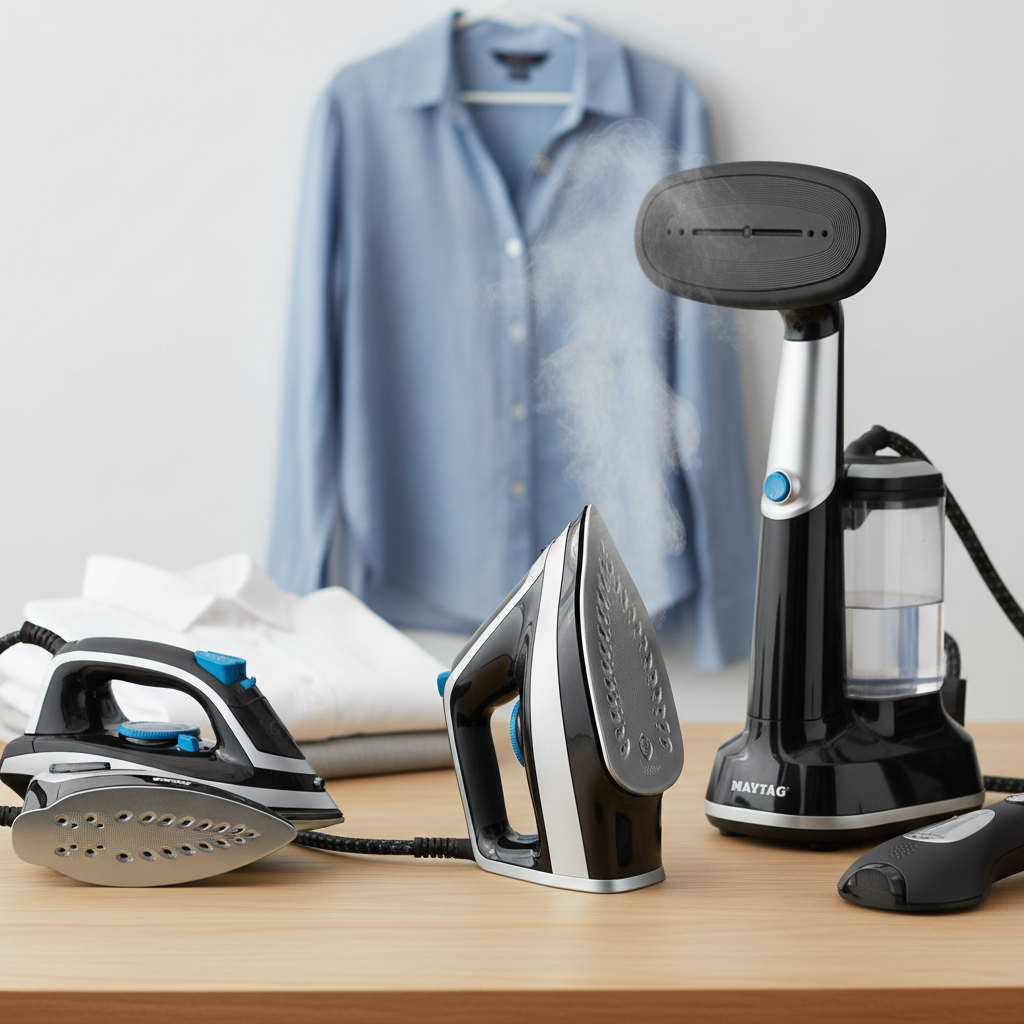
A crisp suit jacket exudes confidence, professionalism, and impeccable style. However, maintaining that sharp look often feels like a constant battle against wrinkles, especially after travel or a long day. While dry cleaning offers a professional touch, frequent exposure to harsh chemicals can prematurely wear down your suit’s delicate fabrics and structure. The good news? Steaming your suit jacket at home is a gentle, effective, and damage-free method to keep it looking pristine. This comprehensive guide will walk you through everything you need to know to master the art of steaming your suit jacket safely and effectively.
What is Steaming and Why is it Best for Suit Jackets?
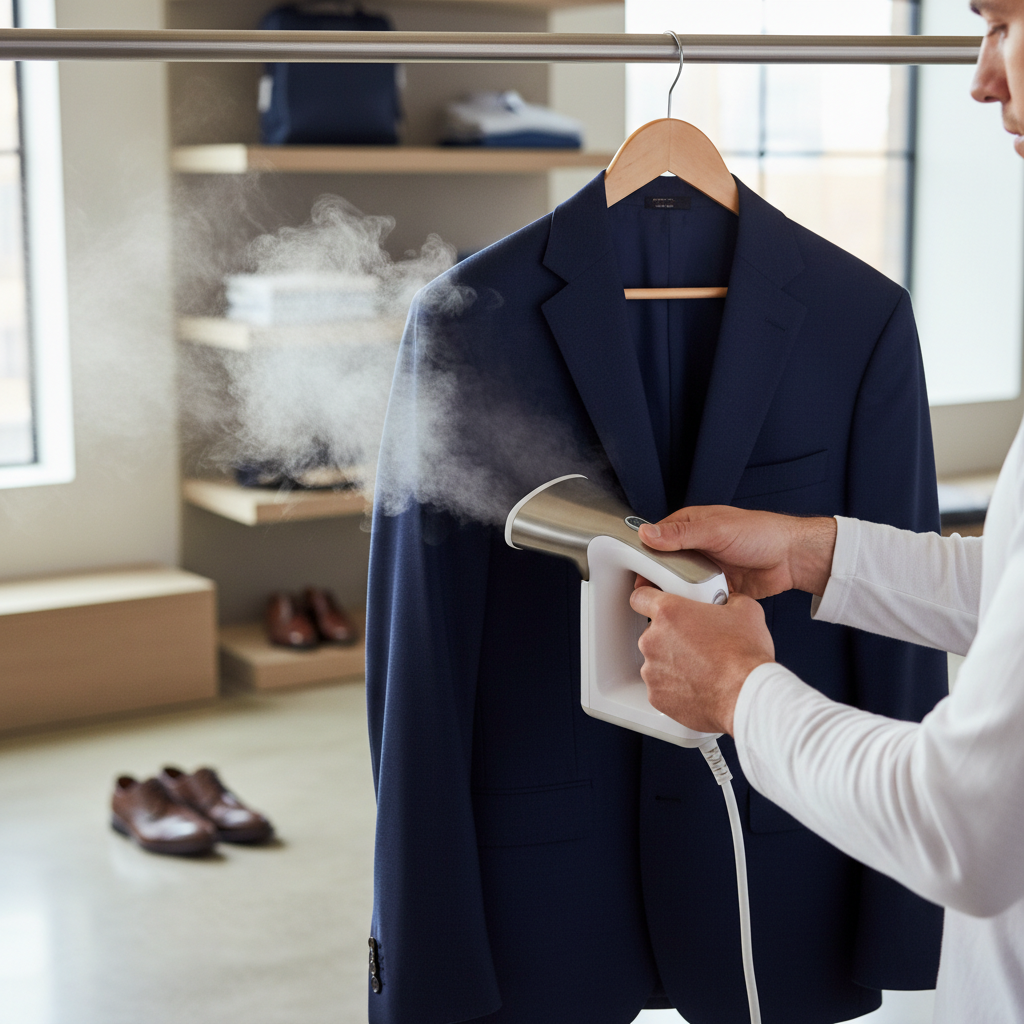
Steaming involves using hot vapor to gently relax fabric fibers, allowing wrinkles to fall out naturally. Unlike traditional ironing, which applies direct heat and pressure, steaming avoids crushing the fabric, flattening its natural texture, or causing unsightly “shine” marks, particularly on wool suits. This makes steaming the superior choice for maintaining the integrity and lifespan of your tailored garments.
Beyond wrinkle removal, steaming offers several distinct advantages. The hot steam helps to refresh the fabric, eliminate odors, and even kill bacteria that can accumulate from wear. This gentle approach is crucial for preserving the intricate internal canvassing and padding that give a suit jacket its tailored shape, ensuring it drapes beautifully for years to come.
Essential Tools for Damage-Free Suit Steaming
To embark on your suit-steaming journey, you’ll need a few key items to ensure a safe and effective process:
- Garment Steamer: This is your primary tool. You can choose between a handheld steamer for quick touch-ups and travel, or a full-sized upright steamer for more frequent use and larger water capacity. Ensure your steamer has adjustable settings if possible, and a flat steam head.
- Sturdy, Wide-Shouldered Hanger: A proper hanger is non-negotiable. Wire hangers can distort the shoulder shape, leading to bumps or stretching. Opt for a padded or contoured wooden hanger that mimics the natural curve of your shoulders to support the jacket’s structure while steaming.
- Distilled Water: Tap water contains minerals that can build up inside your steamer, potentially damaging the appliance and leaving unsightly spots or streaks on your suit fabric. Always use distilled or filtered water to avoid these issues.
- Clean Cloth (Optional but Recommended): Keep a clean, lint-free cloth nearby to wipe any potential water drips from the steamer head or to gently blot excess moisture from the fabric if needed.
Preparing Your Suit Jacket for Steaming
Proper preparation is key to a damage-free steaming experience. Follow these steps before turning on your steamer:
- Check the Care Label: Always begin by inspecting your suit jacket’s care label. Most common suit fabrics like wool, cotton, linen, and many synthetics are suitable for steaming. However, extremely delicate materials like certain silks may require extra caution or professional handling.
- Ensure Cleanliness: Steaming can permanently set stains, making them much harder to remove later. Before steaming, make sure your suit jacket is free from any visible dirt, spills, or spots. Address any stains with appropriate spot-cleaning methods first, or consider professional cleaning if necessary.
- Hang Properly: Place your suit jacket on a sturdy, wide-shouldered hanger. Ensure it hangs freely in an open area, away from walls or other clothing, allowing you to maneuver around it easily. If the suit has been folded or packed, let it hang for 15-20 minutes beforehand to allow major creases to naturally relax.
- Fill and Heat the Steamer: Fill your steamer’s water tank with distilled water. Turn it on and allow it to heat up completely. This usually takes 2-3 minutes, but larger models may take longer. You’ll know it’s ready when a steady, consistent stream of steam is produced.
Step-by-Step Guide to Steaming Your Suit Jacket Safely
With your suit prepared and steamer ready, it’s time to tackle those wrinkles. Remember to work patiently and methodically to achieve the best results without causing damage.
- Start from the Top: Begin steaming from the shoulders and collar, working your way downwards. Hold the steamer head approximately 6 to 8 inches (15-20 cm) away from the fabric.
- Use Smooth, Downward Strokes: Move the steamer in slow, smooth, vertical motions. For stubborn wrinkles, you can gently pull the fabric taut with your free hand as you steam. This helps the steam penetrate the fibers more effectively and encourages wrinkles to release.
- Focus on Sections: Work on one section of the jacket at a time:
- Shoulders and Sleeves: Pay attention to the top of the shoulders and the sleeves, which are prone to creasing. Pull the sleeve cuff gently to straighten the sleeve as you steam.
- Back of the Jacket: This area often collects wrinkles, especially from sitting. Work from top to bottom, ensuring the entire back is smoothed.
- Front Panels and Lapels: While some experts advise caution around lapels and the chest area to protect internal canvas, light, quick passes are usually safe. If unsure, focus on the fabric just behind the lapel and the main front panels, moving swiftly to avoid over-steaming.
- Avoid Over-Steaming: Do not hold the steamer in one spot for too long, especially around seams, as excessive steam can cause them to lose their shape or pucker. Keep the steamer moving.
- Prevent Water Drips: Ensure the steamer head is fully heated and held at the correct distance to prevent water from condensing and dripping onto your suit, which can leave water spots.
“Steaming is like a spa treatment for your suit. It gently coaxes the fibers back into place, reviving the garment without the harshness that can shorten its life.” – Laura Chen, Master Tailor
Steaming Different Suit Fabric Types
While the general principles remain the same, certain fabric types might benefit from slightly adjusted approaches:
- Wool Suits: Wool responds exceptionally well to steaming. It’s gentle, preserves the natural crimp of the wool fibers, and helps the fabric recover its original shape.
- Cotton and Linen Suits: These fabrics tend to wrinkle easily but also release wrinkles effectively with steam. You may need slightly more passes to achieve desired smoothness.
- Synthetic Blends: Many modern suit fabrics are blends. Steaming is generally safe and effective, but always start with a test on an inconspicuous area if you’re unsure about a new fabric blend.
- Delicate Fabrics (e.g., Silk linings): If your jacket has delicate linings or trim, test a small, hidden area first to ensure no damage occurs. Use quick, light passes and maintain a slightly greater distance.
Alternative Methods for De-Wrinkling Without a Steamer
No steamer? No problem. These methods can help in a pinch:
- The Steamy Bathroom Method: Hang your suit jacket on a sturdy hanger in your bathroom. Close the door and run a hot shower for 15-20 minutes, allowing the room to fill with steam. Ensure the suit is away from direct water spray. The ambient steam will relax the fabric fibers and release minor wrinkles.
- Using a Steam Iron (with caution): If you must use an iron, always use a pressing cloth between the iron and the suit fabric. Set the iron to the lowest heat suitable for your fabric (check the care label). Use a pressing motion—press down for a few seconds, then lift straight up and move to a new spot, rather than sliding the iron. This prevents shine and damage.
- Hair Dryer Technique: Lightly mist the wrinkled areas of your suit jacket with a spray bottle filled with distilled water until slightly damp. Hang the jacket and use a blow dryer on its lowest heat setting, holding it about 2 inches (5 cm) away from the fabric, moving it continuously over the damp areas until dry. This works best for minor, localized wrinkles.
- Dryer with Ice Cubes: For a quick refresh, toss your wrinkled suit jacket (if the care label allows a dryer, typically on low heat) into a tumble dryer with 2-3 ice cubes. Run on a medium-heat setting for about 10-15 minutes. The melting ice cubes create steam, helping to release wrinkles. Remove immediately and hang.
Post-Steaming Care and Long-Term Suit Maintenance
Once your suit jacket is beautifully steamed and wrinkle-free, proper aftercare ensures it stays that way:
- Allow to Air Dry Completely: Never put on or store a suit jacket that is still damp from steaming. Hang it in a well-ventilated area for at least an hour to allow any residual moisture to evaporate fully.
- Proper Storage: Store your suit jacket on its wide-shouldered hanger in a closet with ample space. Avoid cramming it against other garments, as this can lead to new wrinkles. A breathable garment bag can offer additional protection from dust.
- Regular Brushing and Airing: Between wears, use a high-quality clothing brush to remove dust, lint, and superficial dirt. Air out your suit overnight after wearing it to dissipate any odors and allow the fabric to rest and recover.
- Limit Dry Cleaning: While dry cleaning is necessary for deep stains or thorough cleaning, limit professional dry cleaning to no more than 1-2 times a year. For routine refreshing and wrinkle removal, steaming is your gentle, preferred method. If you do send it to a dry cleaner, ask them to press it, not dry clean it, if only wrinkles need addressing.
Buying Guide
Investing in the right suit care routine is an investment in your wardrobe.
What Is Your Budget?
Steaming offers cost-effective maintenance compared to frequent dry cleaning.
- Budget-Friendly: Handheld steamers are an excellent entry point, typically costing between $30-$70.
- Mid-Range: Upright steamers offer more power and capacity, ranging from $80-$150.
- Premium: Professional-grade systems can exceed $200, often used by those with extensive wardrobes or in fashion industries.
|
Our Picks for the Best Handheld garment steamer in 2026
As an Amazon Associate I earn from qualifying purchases.
|
||
| Num | Product | Action |
|---|---|---|
| 1 | Conair Handheld Garment Steamer for Clothes, ExtremeSteam 1200W, Portable Handheld Design,White/Blue |

|
| 2 | Jack & Rose Travel Steamer for Clothes,100-220V Portable Iron,15s Heat Up,Steamer & Iron 2 In 1, Travel Size,Large Ceramic Heat Panel,for Global and Europe |
|
| 3 | OGHom Portable Travel Handheld Steamer for Clothes, Garment Wrinkle Remover, 1000W Strong Penetrating Fabric Steamer, for Home, Office, Travel (ONLY FOR 120V) -White |
|
| 4 | Conair Handheld Garment Steamer for Clothes, Turbo ExtremeSteam 1875W Fabric Steamer, Portable Handheld Design, Strong Penetrating Steam, Amazon Exclusive, Black |
|
| 5 | Bear Steamer for Clothes, Handheld Clothes Steamer,1300W Strong Power Garment Steamer with 230ml Tank,Fast Heat-up, Auto-Off, Steam Iron Fabric Wrinkle Remover with Brush for Home and Travel |
|
| 6 | BEAUTURAL Steamer for Clothes, Portable Handheld Garment Fabric Wrinkles Remover, Aluminun Heating Plate, 35-Second Fast Heat-up, Large Detachable Water Tank (Only for 120V), Blue |
|
| 7 | HiLIFE Steamer for Clothes, Portable Handheld Design, 240ml Big Capacity, 700W, Strong Penetrating Steam, Removes Wrinkle, for Home, Office(ONLY FOR 120V)-Black |
|
| 8 | HiLIFE Steamer for Clothes, Portable Handheld Clothing Steamer, 240ml Big Capacity, 700W, Strong Power, Fabric Quick Wrinkle Remover with Brush for Home, Office(ONLY 120V) -Blue |
|
| 9 | Conair Handheld Garment Steamer for Clothes, Turbo ExtremeSteam 1875W Fabric Steamer, Portable Handheld Design, Strong Penetrating Steam, White/Champagne |
|
| 10 | HiLIFE Upgraded Steamer for Clothes, Handheld & Portable, 1100W Powerful Steam, 300ml Big Capacity & No Leak Design, 30S Fast Heat-up, Quick Wrinkle Remover, Compact Size for Travel, ONLY 120V |
|
Which Brands Are Reliable?
When choosing a steamer, look for reputable brands known for durability and performance. Philips, Conair, Rowenta, and Steamery are popular choices that offer a range of handheld and upright models. Check for features like fast heat-up times, continuous steam functions, and anti-drip designs.
Read Reviews from Other Users
Before making a purchase, consult user reviews on trusted retail sites and forums. Pay attention to feedback regarding ease of use, steaming effectiveness on various fabrics (especially suits), and long-term durability. Look for mentions of consistency in steam output and absence of water spitting.
Conclusion
Steaming your suit jacket at home is an invaluable skill for anyone committed to looking sharp and preserving their investment in quality tailoring. By understanding the advantages of steaming, using the right tools, and following a careful technique, you can effortlessly banish wrinkles, refresh your garment, and extend its lifespan without the risks associated with harsh ironing or excessive dry cleaning. Embrace this gentle yet powerful method, and your suit jacket will consistently present you at your best. What are your go-to strategies for keeping your suit jacket impeccably pressed?
Câu Hỏi Thường Gặp
How often can I steam my suit jacket?
You can steam your suit jacket as often as needed for wrinkle removal or refreshing, typically between wears or when creases appear. Steaming is a gentle method that doesn’t harm the fabric like frequent dry cleaning or harsh ironing.
Can steaming damage the internal structure of my suit jacket?
No, if done correctly, steaming is very unlikely to damage the internal structure (canvassing or padding) of your suit jacket. Unlike ironing, it doesn’t apply direct pressure that could flatten or distort these elements. Avoid over-steaming in one spot.
Is it better to use a handheld steamer or an upright steamer for suit jackets?
Both work well. Handheld steamers are convenient for quick touch-ups and travel due to their portability. Upright steamers generally offer more consistent steam, larger water tanks for extended use, and sometimes integrated hangers, making them ideal for home use and multiple garments.
Can I steam silk or delicate blend suit jackets?
Yes, most silk and delicate blends can be steamed, but always proceed with caution. Test the steamer on an inconspicuous area first, use the lowest steam setting if available, and hold the steamer slightly further away from the fabric to avoid damage.
What should I do if water drips onto my suit jacket while steaming?
If water drips onto your suit jacket, immediately blot the area gently with a clean, lint-free cloth. Do not rub. Allow the area to air dry completely. To prevent drips, ensure your steamer is fully heated before use and avoid overfilling the water tank.