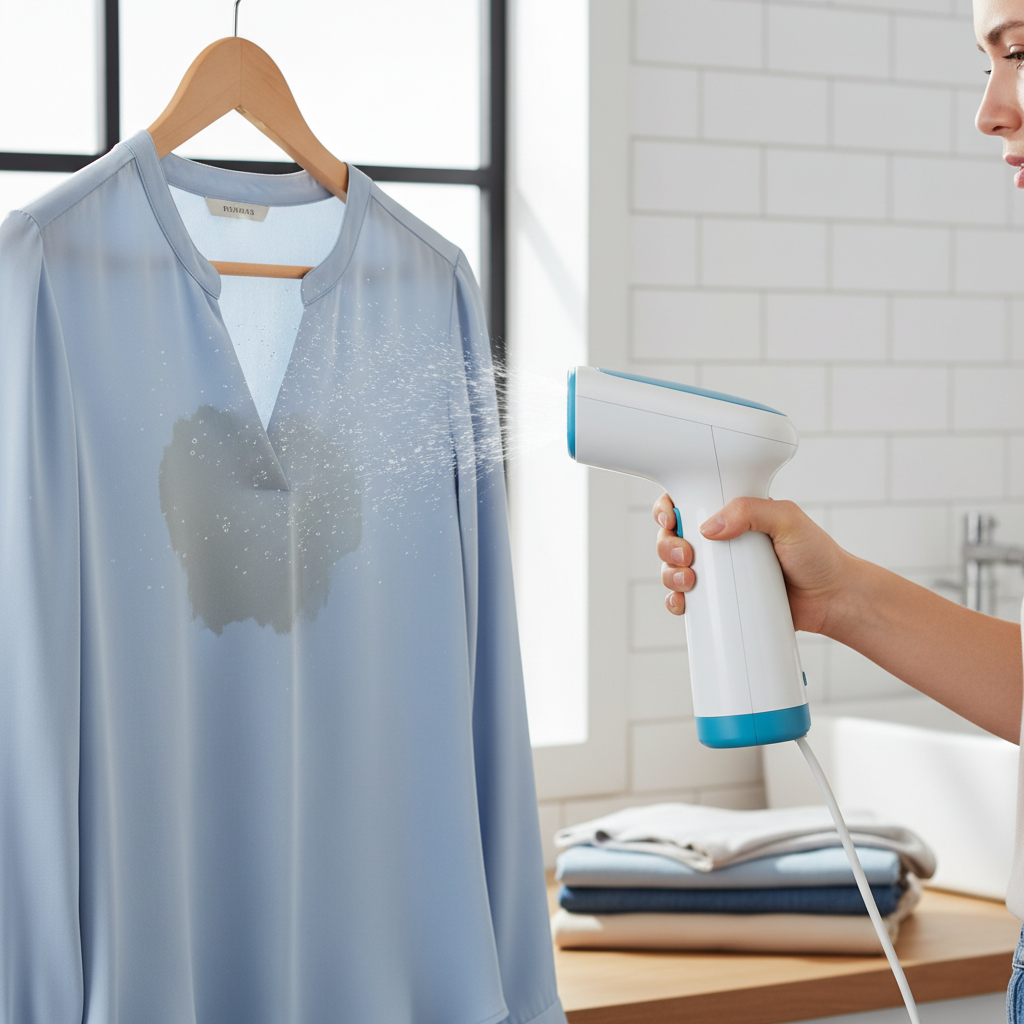
A handheld garment steamer offers a quick and efficient way to smooth out wrinkles, refresh fabrics, and keep your wardrobe looking sharp. Its convenience makes it a household staple, yet improper storage can lead to an unwelcome problem: mold. This guide delves into the best practices for storing your handheld steamer to ensure it remains hygienic, functional, and mold-free, extending its lifespan and protecting your garments from potential contaminants.
Understanding Your Handheld Garment Steamer
A handheld garment steamer is a portable appliance designed to emit a continuous flow of steam, effectively relaxing fabric fibers and releasing wrinkles. Unlike traditional irons, steamers work without direct contact, making them ideal for delicate materials, intricate designs, and even larger items like curtains. They operate by heating water in a reservoir to produce steam, which is then directed through a nozzle onto your clothes. This gentle, yet powerful method offers a convenient alternative for garment care, saving time and often being safer for various fabrics.
The Hidden Threat: Why Mold Forms in Steamers
Mold thrives in damp, dark, and still environments. Your handheld garment steamer, with its water reservoir and internal components, presents an ideal breeding ground if not properly maintained. The primary culprits behind mold growth are:
- Residual Water: Leaving water in the tank after use provides the essential moisture mold needs to multiply. Even small amounts can foster growth.
- Mineral Deposits (Limescale): Tap water contains minerals that, when heated, can form limescale buildup. This creates a rough surface within the steamer, offering more places for mold spores to latch onto and grow.
- Lack of Airflow: Storing a steamer immediately after use, especially in a closed cabinet or box, traps humidity inside the appliance, creating a stagnant, damp environment perfect for mildew.
Ignoring these factors not only compromises the hygiene of your steamer but can also lead to unpleasant odors, clogged nozzles, reduced efficiency, and potentially transfer mold spores or musty smells onto your freshly steamed clothes.
Essential Steps to Prevent Mold in Your Handheld Garment Steamer
Preventing mold in your handheld garment steamer is straightforward with a consistent routine. Focusing on thorough drying, proper water usage, and regular cleaning will keep your appliance in top condition.
Immediate Post-Usage Care
The most critical step in mold prevention begins right after each steaming session.
- Emptying the Water Tank Thoroughly: As soon as your steaming is complete and the appliance has cooled slightly, always empty any remaining water from the reservoir. Do not store the steamer with water inside, as this is the primary cause of mold and mineral buildup. [cite: 2-2, 3-2, 3-3, 1-4, 3-4]
- Complete Air Drying of All Components: Once emptied, allow the steamer to cool down completely and air dry. If possible, disassemble detachable parts like the water tank or nozzle for more effective drying. Wipe the reservoir dry with a clean cloth to ensure no moisture lingers before storage. [cite: 2-2, 3-3, 3-4, 1-5, 2-5]
|
Our Picks for the Best Handheld garment steamer in 2026
As an Amazon Associate I earn from qualifying purchases.
|
||
| Num | Product | Action |
|---|---|---|
| 1 | Jack & Rose Travel Steamer for Clothes,100-220V Portable Iron,15s Heat Up,Steamer & Iron 2 In 1, Travel Size,Large Ceramic Heat Panel,for Global and Europe |

|
| 2 | Conair Handheld Garment Steamer for Clothes, ExtremeSteam 1200W, Portable Handheld Design,White/Blue |
|
| 3 | Bear Steamer for Clothes, Handheld Clothes Steamer,1300W Strong Power Garment Steamer with 230ml Tank,Fast Heat-up, Auto-Off, Steam Iron Fabric Wrinkle Remover with Brush for Home and Travel |
|
| 4 | HiLIFE Steamer for Clothes, Portable Handheld Design, 240ml Big Capacity, 700W, Strong Penetrating Steam, Removes Wrinkle, for Home, Office(ONLY FOR 120V)-Black |
|
| 5 | OGHom Portable Travel Handheld Steamer for Clothes, Garment Wrinkle Remover, 1000W Strong Penetrating Fabric Steamer, for Home, Office, Travel (ONLY FOR 120V) -White |
|
| 6 | Conair Handheld Garment Steamer for Clothes, Turbo ExtremeSteam 1875W Fabric Steamer, Portable Handheld Design, Strong Penetrating Steam, White/Champagne |
|
| 7 | HiLIFE Steamer for Clothes, Portable Handheld Clothing Steamer, 240ml Big Capacity, 700W, Strong Power, Fabric Quick Wrinkle Remover with Brush for Home, Office(ONLY 120V) -Blue |
|
| 8 | BEAUTURAL Steamer for Clothes, Portable Handheld Garment Fabric Wrinkles Remover, Aluminun Heating Plate, 35-Second Fast Heat-up, Large Detachable Water Tank (Only for 120V), Blue |
|
| 9 | Conair Handheld Garment Steamer for Clothes, Turbo ExtremeSteam 1875W Fabric Steamer, Portable Handheld Design, Strong Penetrating Steam, Amazon Exclusive, Black |
|
| 10 | HiLIFE Upgraded Steamer for Clothes, Handheld & Portable, 1100W Powerful Steam, 300ml Big Capacity & No Leak Design, 30S Fast Heat-up, Quick Wrinkle Remover, Compact Size for Travel, ONLY 120V |
|
“How you store your clothes steamer between uses will make a big difference to how often you need to clean your appliance before it becomes blocked.” – Taylor Robertson, Heritage Park Laundry Essentials [cite: 2-2]
The Power of Distilled Water
The type of water you use significantly impacts your steamer’s longevity and cleanliness.
- How it Reduces Mineral Buildup and Mold Risk: Always use distilled water in your steamer. [cite: 1-1, 3-3, 3-5] Tap water contains minerals that, over time, will accumulate as limescale inside the steamer’s boiler and internal pipes. Limescale can clog the steam vents, reduce efficiency, and create additional surfaces where mold spores can settle and flourish. Distilled water is free of these minerals, dramatically reducing limescale buildup and, consequently, a common breeding ground for mold.
Regular Descaling and Deep Cleaning
Even with distilled water, occasional cleaning is beneficial to maintain peak performance and hygiene.
- The Vinegar Method for Mineral Removal: For descaling, a common and effective method involves white vinegar. Fill the water tank with a solution of one-third white vinegar and two-thirds water. [cite: 3-6] Plug in the steamer and let it heat up, running the solution through until the tank is empty. The vinegar will help dissolve any mineral deposits. After this, rinse the tank thoroughly with clean water, then run a full tank of plain, distilled water through the steamer to flush out any residual vinegar smell and solution. [cite: 3-6]
- Recommended Cleaning Frequency: For regular users, a monthly cleaning is recommended. If you use your steamer less frequently, cleaning every two to three months or before long-term storage should suffice. [cite: 3-1, 3-6] However, if you notice spitting, reduced steam, or visible residue, clean it immediately. [cite: 3-1]
Optimal Storage Environment
Where you store your steamer is just as important as how you prepare it.
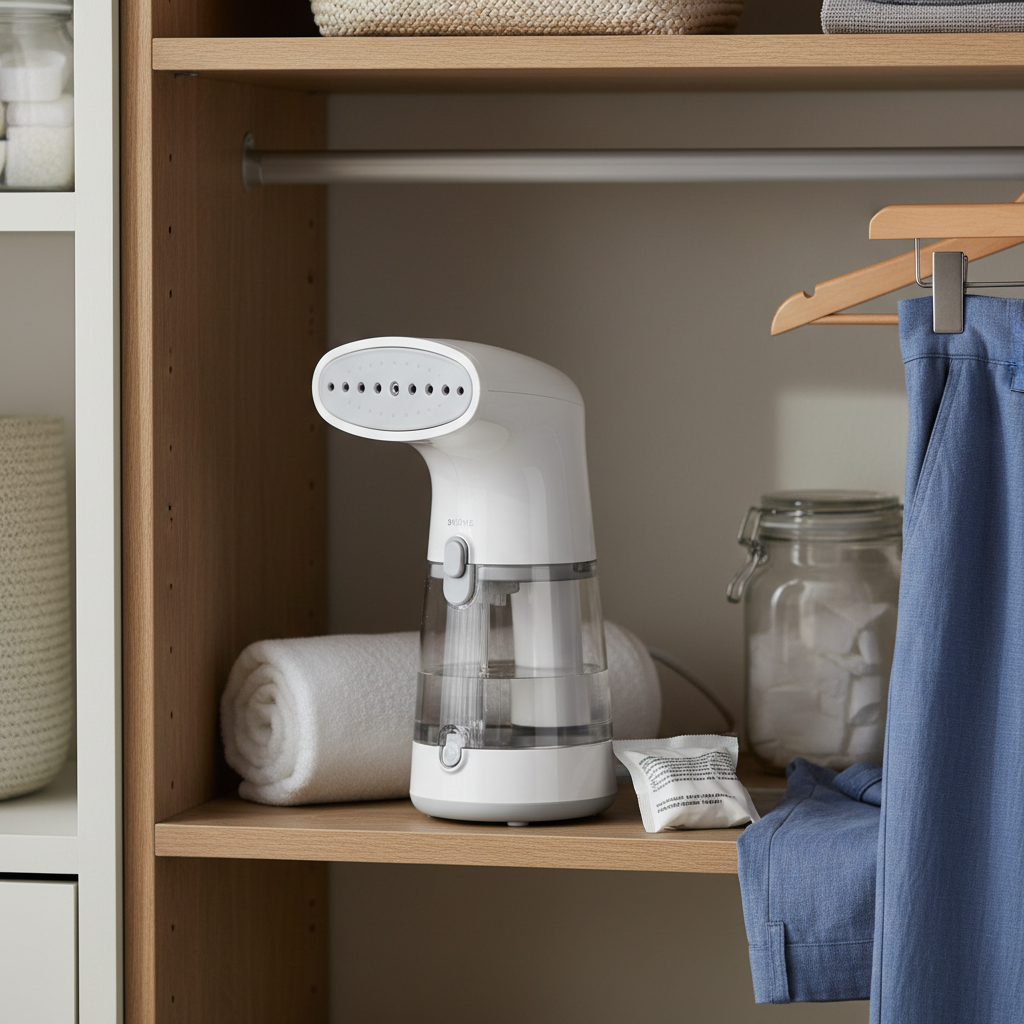
- Choosing a Dry, Well-Ventilated Location: Always store your steamer in a cool, dry area, away from humidity. Avoid damp environments like bathrooms or under-sink cabinets, which can encourage mold growth even in a dry steamer. A linen closet, dry cupboard, or drawer is ideal. [cite: 2-1, 2-2, 1-3]
- Storing Upright and Disassembled (If Applicable): Store the steamer with its nozzle in an upright position to protect hoses and attachments. If your model allows for further disassembly, separating components can promote better air circulation. [cite: 1-4, 3-3]
Common Misconceptions and Troubleshooting
Many users inadvertently create mold-friendly environments due to common misunderstandings.
- Addressing Myths About Leaving Water, Quick Drying: It’s a common misconception that leaving water in the tank for “next time” saves effort. In reality, it guarantees mineral buildup and mold. Similarly, a quick wipe isn’t enough; internal components need to air dry completely.
- What to do if you suspect mold (and when to replace): If you discover black specks, a musty odor, or visible mold, it’s a serious concern. While some suggest bleach or vinegar purges, if mold is pervasive or the tank appears permanently stained, the safest option is to replace the water tank or the steamer entirely to avoid blowing mold spores into the air you breathe. [cite: 5-5] Always prioritize health and safety.
Extending Your Steamer’s Lifespan: A Comprehensive Guide
Proactive maintenance not only prevents mold but also ensures your steamer serves you effectively for years.
Maintenance Schedule
- Daily: Empty and air dry the water tank.
- Monthly (or more frequently with daily use): Perform a vinegar descaling and deep clean.
- Before Long-Term Storage: Ensure a thorough descaling and drying process.
Choosing the Right Steamer
While this article focuses on storage, the initial choice of steamer can impact future maintenance. Look for models with easily detachable water tanks and accessible internal components for simpler cleaning and drying, which ultimately aids in mold prevention.
Conclusion
Preventing mold in your handheld garment steamer is a simple yet crucial aspect of appliance care. By consistently emptying the water reservoir, allowing for complete air drying, utilizing distilled water, and performing regular descaling with white vinegar, you can safeguard your steamer from unsightly and unhygienic mold growth. These habits ensure your steamer operates efficiently, remains sanitary, and continues to provide wrinkle-free results for your clothes, protecting both your garments and your home environment. How will these simple steps transform your garment care routine?
Câu Hỏi Thường Gặp
Is it okay to leave water in a garment steamer?
No, it is strongly advised not to leave water in a garment steamer. Standing water promotes the growth of mold and mildew, and leads to the accumulation of mineral deposits, which can clog the steamer and reduce its efficiency. Always empty the water tank after each use.
How often should I descale my handheld steamer?
For regular use, descaling your handheld steamer once a month with a vinegar solution is recommended. If you use it daily, consider descaling more frequently. For occasional users, cleaning every two to three months or before storing it for extended periods should be sufficient.
Can mold in my steamer affect my clothes?
Yes, mold in your steamer can absolutely affect your clothes. As steam passes through a mold-contaminated appliance, it can pick up mold spores and transfer them onto your garments, leading to unpleasant musty odors and potentially visible staining or allergic reactions.
What kind of water should I use in my steamer?
You should always use distilled water in your handheld garment steamer. Distilled water is free of minerals that cause limescale buildup, which can clog the steamer’s internal components and create an environment conducive to mold growth. Using distilled water prolongs the life and efficiency of your appliance.
Where is the best place to store a handheld steamer?
The best place to store a handheld steamer is in a cool, dry, and well-ventilated area, such as a linen closet, pantry, or cabinet. Avoid damp environments like bathrooms or under-sink areas, as humidity can encourage mold growth even in an empty steamer.