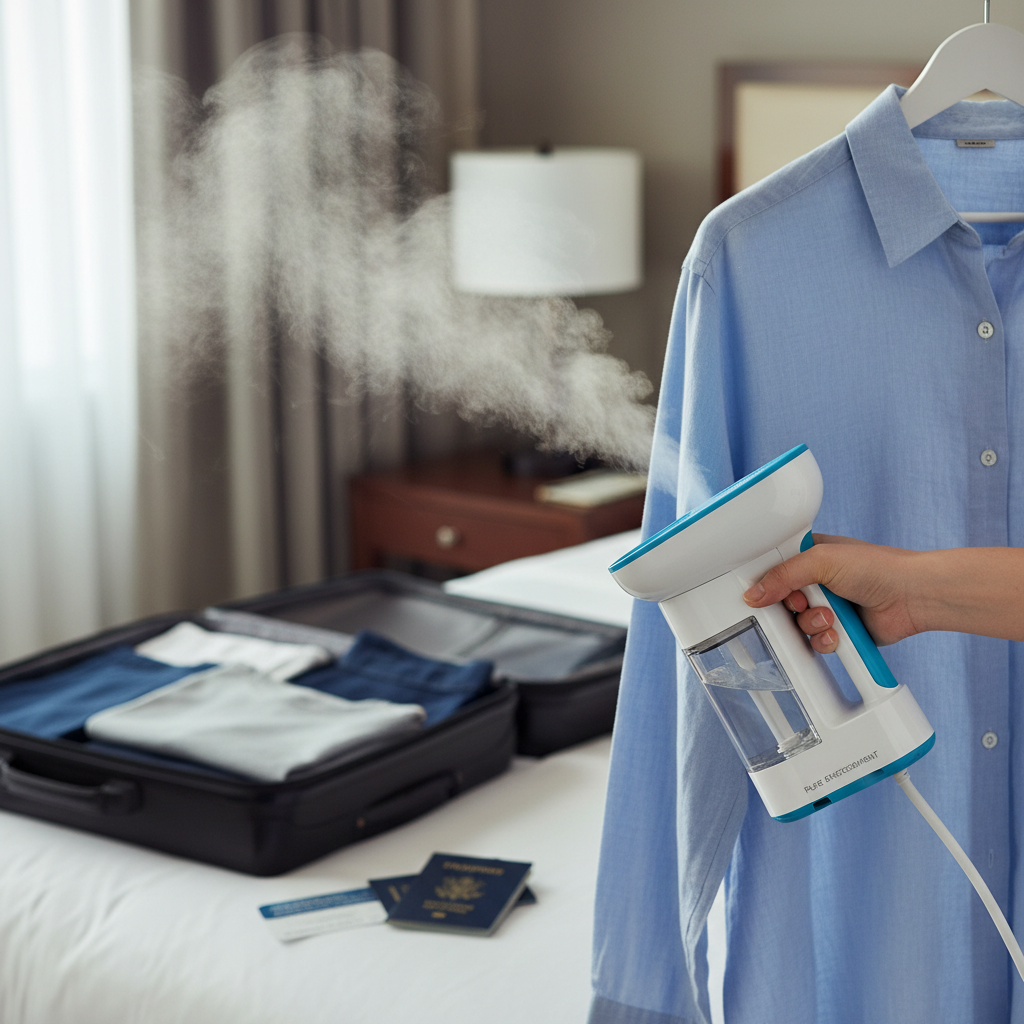
Have you ever found yourself staring at a pile of wrinkled clothes, wondering how to get them crisp and fresh without the hassle of a traditional iron? Garment steaming has revolutionized fabric care, offering a gentle yet powerful alternative for smoothing out creases and refreshing your wardrobe. But did you know there are different ways to steam, primarily vertical and horizontal methods? Understanding the nuances of each can transform your routine, helping you achieve perfect results for every garment. This guide will explore the distinctions, benefits, and best practices for both vertical and horizontal steaming, empowering you to choose the most effective approach for your fabric care needs.
What is Garment Steaming?
Garment steaming is a modern method of fabric care that uses hot steam to relax the fibers of clothing and other textiles, effectively removing wrinkles and creases. Unlike traditional ironing, which uses direct heat and pressure to flatten fabrics, steaming works by penetrating the material with high-temperature vapor, allowing the fibers to naturally revert to their smooth state. This gentle action makes steaming suitable for a wider range of materials, including delicate fabrics that might be damaged by an iron.
Steaming devices come in various forms, from compact handheld models perfect for quick touch-ups or travel, to powerful upright steamers designed for continuous use on multiple garments. Many contemporary steamers, especially handheld versions, are now engineered to perform effectively in both vertical and horizontal orientations, offering enhanced versatility.
Understanding Vertical Steaming
Vertical steaming is perhaps the most common and intuitive method of de-wrinkling clothes with a steamer. It leverages gravity and steam to effortlessly smooth out fabrics while they hang.
How it Works and Best Practices
|
Our Picks for the Best Handheld garment steamer in 2026
As an Amazon Associate I earn from qualifying purchases.
|
||
| Num | Product | Action |
|---|---|---|
| 1 | HiLIFE Steamer for Clothes, Portable Handheld Design, 240ml Big Capacity, 700W, Strong Penetrating Steam, Removes Wrinkle, for Home, Office(ONLY FOR 120V)-Black |

|
| 2 | Conair Handheld Garment Steamer for Clothes, ExtremeSteam 1200W, Portable Handheld Design,White/Blue |
|
| 3 | HiLIFE Steamer for Clothes, Portable Handheld Clothing Steamer, 240ml Big Capacity, 700W, Strong Power, Fabric Quick Wrinkle Remover with Brush for Home, Office(ONLY 120V) -Blue |
|
| 4 | Conair Handheld Garment Steamer for Clothes, Turbo ExtremeSteam 1875W Fabric Steamer, Portable Handheld Design, Strong Penetrating Steam, White/Champagne |
|
| 5 | BEAUTURAL Steamer for Clothes, Portable Handheld Garment Fabric Wrinkles Remover, Aluminun Heating Plate, 35-Second Fast Heat-up, Large Detachable Water Tank (Only for 120V), Blue |
|
| 6 | Bear Steamer for Clothes, Handheld Clothes Steamer,1300W Strong Power Garment Steamer with 230ml Tank,Fast Heat-up, Auto-Off, Steam Iron Fabric Wrinkle Remover with Brush for Home and Travel |
|
| 7 | OGHom Portable Travel Handheld Steamer for Clothes, Garment Wrinkle Remover, 1000W Strong Penetrating Fabric Steamer, for Home, Office, Travel (ONLY FOR 120V) -White |
|
| 8 | Jack & Rose Travel Steamer for Clothes,100-220V Portable Iron,15s Heat Up,Steamer & Iron 2 In 1, Travel Size,Large Ceramic Heat Panel,for Global and Europe |
|
| 9 | HiLIFE Upgraded Steamer for Clothes, Handheld & Portable, 1100W Powerful Steam, 300ml Big Capacity & No Leak Design, 30S Fast Heat-up, Quick Wrinkle Remover, Compact Size for Travel, ONLY 120V |
|
| 10 | Conair Handheld Garment Steamer for Clothes, Turbo ExtremeSteam 1875W Fabric Steamer, Portable Handheld Design, Strong Penetrating Steam, Amazon Exclusive, Black |
|
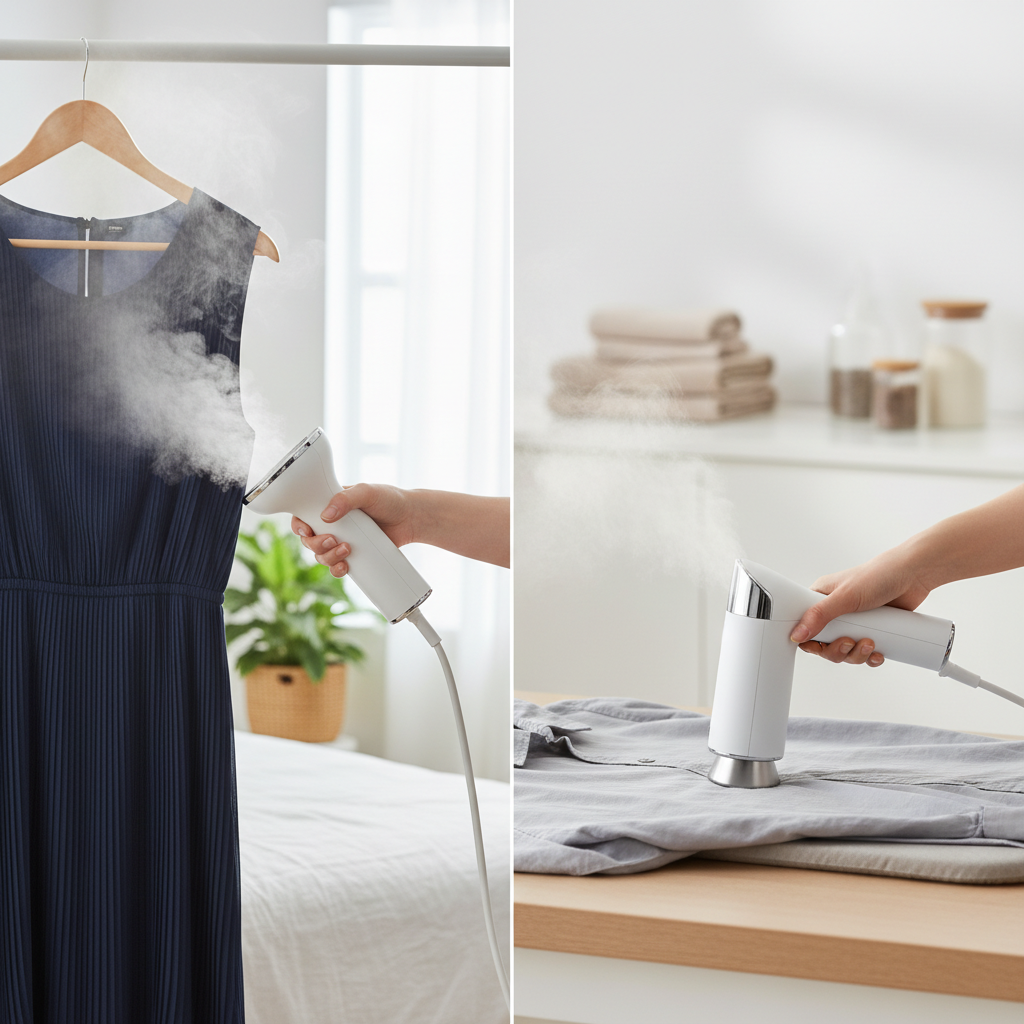
To vertically steam a garment, you typically hang it on a hanger, a shower rod, or an integrated rack if using an upright steamer. Hold the steamer’s nozzle a few centimeters from the fabric and move it in a gentle, sweeping motion from top to bottom. For optimal results, you can lightly pull the bottom hem of the garment with your free hand to create a slight tension, allowing the steam to work more effectively on stubborn creases. The key benefit here is that there’s no direct contact between a hot plate and the fabric, significantly reducing the risk of scorching or damage.
Advantages of Vertical Steaming
Vertical steaming boasts several compelling advantages for daily garment care. Its primary appeal lies in convenience; there’s no need for an ironing board, making it a quick and easy solution for refreshing clothes on the go or before heading out. It’s particularly gentle on a wide array of fabrics, including delicate materials like silk, chiffon, wool, cashmere, and even synthetics like polyester. Steam effortlessly relaxes these fibers without the harsh pressure of an iron. This method is also ideal for structured items such as suits, jackets, and pleated garments where maintaining shape is crucial. Beyond wrinkle removal, vertical steaming also helps to sanitize clothes and eliminate odors, making it perfect for items that aren’t quite ready for a full wash but need a quick refresh. You can even use it on curtains and upholstery without taking them down.
Limitations of Vertical Steaming
While highly effective, vertical steaming does have its limitations. It may not achieve the sharp, crisp creases often desired for formal wear like dress shirts or trousers, where a flat, pressed look is preferred. Deep-set or stubborn wrinkles might also require multiple passes or prove challenging to remove entirely with vertical steaming alone. Additionally, some older handheld steamers may be prone to water leakage if not held perfectly upright, though many newer models feature anti-leak designs. Prolonged vertical steaming sessions, especially with heavier handheld units, can also be physically tiring.
Exploring Horizontal Steaming
While often associated with irons, horizontal steaming is a technique many modern garment steamers, particularly hybrid models, are designed to handle with ease. This method involves laying the garment flat, providing a stable surface for more targeted wrinkle removal.
Technique and When to Use It
Horizontal steaming typically involves placing your garment on a clean, flat surface, such as an ironing board or a bed with a towel underneath. You then glide the steamer’s soleplate or nozzle across the fabric, much like you would an iron. This method provides direct contact or very close proximity with the fabric, allowing for more concentrated steam application. It’s especially useful for detailed areas like collars, cuffs, and plackets, where a crisp finish is desired, or for smoothing larger flat surfaces like table linens or bed skirts.
Advantages of Horizontal Steaming
The main strength of horizontal steaming lies in its ability to deliver a more precise and often crisper finish than vertical steaming. By pressing the steamer head against the fabric on a flat surface, you can better tackle stubborn creases and create sharp lines, similar to traditional ironing but with the gentleness of steam. This method also provides excellent support for the fabric, which can be beneficial for heavier materials or items that benefit from a slight flattening effect. It’s a versatile choice for achieving a polished look on various garments, and some users find it more comfortable for longer steaming sessions than holding a steamer vertically for extended periods.
Considerations for Horizontal Steaming
The primary consideration for horizontal steaming is the need for a flat surface, negating some of the “no ironing board” convenience of vertical steaming. While many modern handheld steamers are designed for multi-directional use without leakage, it’s essential to check your specific model’s capabilities to avoid water drips when used horizontally. For some, the technique might feel more akin to ironing, which could be a drawback if they’re seeking to avoid that experience entirely.
Hybrid Steamers: The Best of Both Worlds
The evolution of garment care technology has given rise to hybrid steamers – innovative devices that seamlessly blend the advantages of both vertical and horizontal steaming, and sometimes even traditional ironing. These versatile tools are often handheld, compact, and feature a heated soleplate, allowing them to function as both a steamer and a light iron.
Many hybrid models boast advanced features like 360° anti-leak designs, ensuring they can be used at any angle without drips. This adaptability makes them incredibly practical for varied wardrobe needs, from quick vertical refreshes of a hanging shirt to horizontal touch-ups on collars or cuffs. With a hybrid steamer, you don’t have to choose between convenience and precision; you get both in a single, efficient device. They are an excellent investment for individuals seeking maximum flexibility and efficiency in their fabric care routine.
Choosing the Right Steaming Method for Your Needs
Deciding between vertical and horizontal steaming, or opting for a hybrid approach, ultimately depends on your specific garments, desired results, and lifestyle.
Assess Your Garment Type and Desired Finish
Consider the fabrics you commonly wear. For delicate materials like silk, wool, velvet, or items with embellishments, vertical steaming is often the safer and gentler choice, as it avoids direct pressure and intense heat. It’s perfect for refreshing garments that don’t require a perfectly crisp look but need wrinkles smoothed and odors removed. If you aim for sharp creases on formal shirts, structured trousers, or want to press collars and cuffs perfectly, horizontal steaming (especially with a hybrid steamer that has a heated soleplate) will provide superior results. For everyday cottons, linens, and blended fabrics, both methods can be effective, making a hybrid steamer a great all-around option.
Consider Your Lifestyle and Space
Your lifestyle plays a significant role in determining the most practical method. If you travel frequently, a compact handheld steamer capable of both vertical and horizontal steaming is invaluable for quick wrinkle removal in hotel rooms. For daily touch-ups and if you have limited storage space, vertical steaming with a handheld unit is incredibly convenient as it eliminates the need for an ironing board. If you have a large wardrobe, frequently steam heavy items like curtains, or process multiple garments at once, an upright steamer with its larger water tank and continuous steam output is ideal for extensive vertical steaming sessions.
Technical Features to Look For
When selecting a steamer, keep these technical aspects in mind:
- Power (Wattage): Higher wattage generally means faster heat-up times and more powerful steam output, which translates to quicker wrinkle removal.
- Water Tank Capacity: A larger tank allows for longer continuous steaming without refills, perfect for multiple garments or extended sessions. Smaller tanks are better for portability.
- Heat-Up Time: Most modern steamers are ready in under a minute, but rapid heat-up is a significant convenience for busy mornings.
- Continuous Steam: Look for models that offer continuous steam rather than requiring you to hold down a button, especially for vertical steaming.
- Attachments: Fabric brushes can help penetrate thicker materials and remove lint, while creasing tools can assist in creating sharper lines.
- Auto-Shutoff: A safety feature that turns off the steamer when the water runs out or if it overheats.
Top Picks: Popular Steamers for Versatile Steaming
Choosing the right steamer can feel overwhelming with the variety of options available. Here’s a general comparison of popular types, highlighting their features and ideal uses.
| Steamer Type | Power (Watts) | Water Tank (ml) | Price Range | Advantages | Disadvantages |
|---|---|---|---|---|---|
| Compact Handheld | 800-1500 | 70-150 | $30-$80 | Portable, fast heat-up, great for travel & quick touch-ups, often dual vertical/horizontal capability. | Smaller tank means frequent refills, less powerful for heavy fabrics. |
| Hybrid Handheld (Iron-Steamer) | 1200-1800 | 90-200 | $60-$150 | Versatile (steams & irons), good for sharp creases, anti-leak designs, compact. | Can be pricier, tank still smaller than uprights. |
| Powerful Upright/Standing | 1500-2000+ | 1500-2500+ | $100-$300+ | Large water tank for long continuous steaming, powerful output, integrated hanger, ideal for home/commercial use. | Less portable, requires significant storage space. |
“For most everyday clothes, a good handheld steamer is a game-changer. It’s fast, gentle, and you don’t need to drag out an ironing board. But for those crisp shirts or linens, a hybrid steamer or a quick pass with an iron after steaming really makes a difference.” – Admin, reviewkf.com, Steaming Expert
Essential Tips for Effective Steaming
To ensure you get the best results from your steaming efforts, regardless of the method you choose, keep these essential tips in mind:
- Use Distilled Water: To prolong the life of your steamer and prevent mineral buildup, especially if you live in an area with hard water, always use distilled or demineralized water. This prevents calcification that can clog the steamer and leave mineral residue on your clothes.
- Prepare Your Garment: Hang your garment properly on a hanger. For vertical steaming, gently pull the fabric taut as you steam. For horizontal steaming, lay it flat on a clean surface, ideally with a towel underneath for extra support and to absorb any excess moisture.
- Don’t Rush: While steamers are fast, allow the steam to fully penetrate the fabric. Move the steamer slowly and steadily across the wrinkled areas. For heavier fabrics, you might need to make a few passes.
- Steam from the Inside Out: For shirts and blouses, steaming from the inside can often be more effective, allowing you to push wrinkles out without distorting the outer fabric.
- Allow to Cool and Dry: After steaming, always allow your garment to cool and air dry completely before wearing or storing it. This helps the fibers set in their smooth state and prevents new wrinkles from forming. Wearing a damp garment can also stretch the fabric.
- Clean Your Steamer Regularly: Follow the manufacturer’s instructions for descaling and cleaning your steamer to maintain optimal performance and prevent issues.
Conclusion
Both vertical and horizontal steaming offer effective ways to keep your clothes looking their best, each with unique advantages. Vertical steaming excels in convenience, speed, and gentleness for delicate fabrics and hanging garments, making it ideal for quick refreshes and busy schedules. Horizontal steaming, particularly with versatile hybrid models, provides the precision needed for crisp finishes on collars, cuffs, and tackling more stubborn creases on flat surfaces. By understanding the techniques and benefits of each, and considering the types of garments you wear most often, you can choose the perfect steamer and method to integrate into your fabric care routine.
Which steaming method aligns best with your daily wardrobe needs and desired level of crispness?
Câu Hỏi Thường Gặp
Can a garment steamer completely replace an iron?
For many garments and situations, a garment steamer can indeed replace an iron, especially for delicate fabrics, quick touch-ups, and refreshing clothes. However, if you require razor-sharp creases on formal wear or prefer a very flat, crisp finish on items like dress shirts or linens, a traditional iron or a hybrid steamer used horizontally might still be necessary to achieve those specific results.
Is steaming safe for all fabric types?
Steaming is generally safer and gentler than ironing for most fabric types, including silk, wool, cashmere, linen, cotton, and synthetics like polyester, as it avoids direct high heat and pressure. However, it’s typically not recommended for leather, suede, or waxed jackets, as the moisture can damage these materials. Always check the care label of your garment if you are unsure.
How do I prevent water spots on my clothes when steaming?
To prevent water spots, always use distilled or demineralized water in your steamer to avoid mineral deposits. Ensure your steamer is fully heated and producing consistent steam before applying it to your clothes. Avoid overfilling the water tank, and if your model is prone to dripping, maintain the recommended distance from the fabric.
What’s the difference between a handheld steamer and an upright steamer?
A handheld steamer is compact and portable, ideal for travel and quick touch-ups on a few garments. It has a smaller water tank and is held directly to the fabric. An upright (or standing) steamer is larger, typically stationary, with a much bigger water tank for continuous, powerful steam, often featuring an integrated hanger, making it suitable for steaming many items at home or for professional use.
How long does it take for a steamer to remove wrinkles?
The time it takes to remove wrinkles with a steamer varies depending on the fabric type, the severity of the wrinkles, and the steamer’s power. Light fabrics like silk or jersey may de-wrinkle in under a minute, while heavier materials like denim or linen with deep creases might require a few minutes and multiple passes. Most steamers heat up and are ready to use in 30-60 seconds.