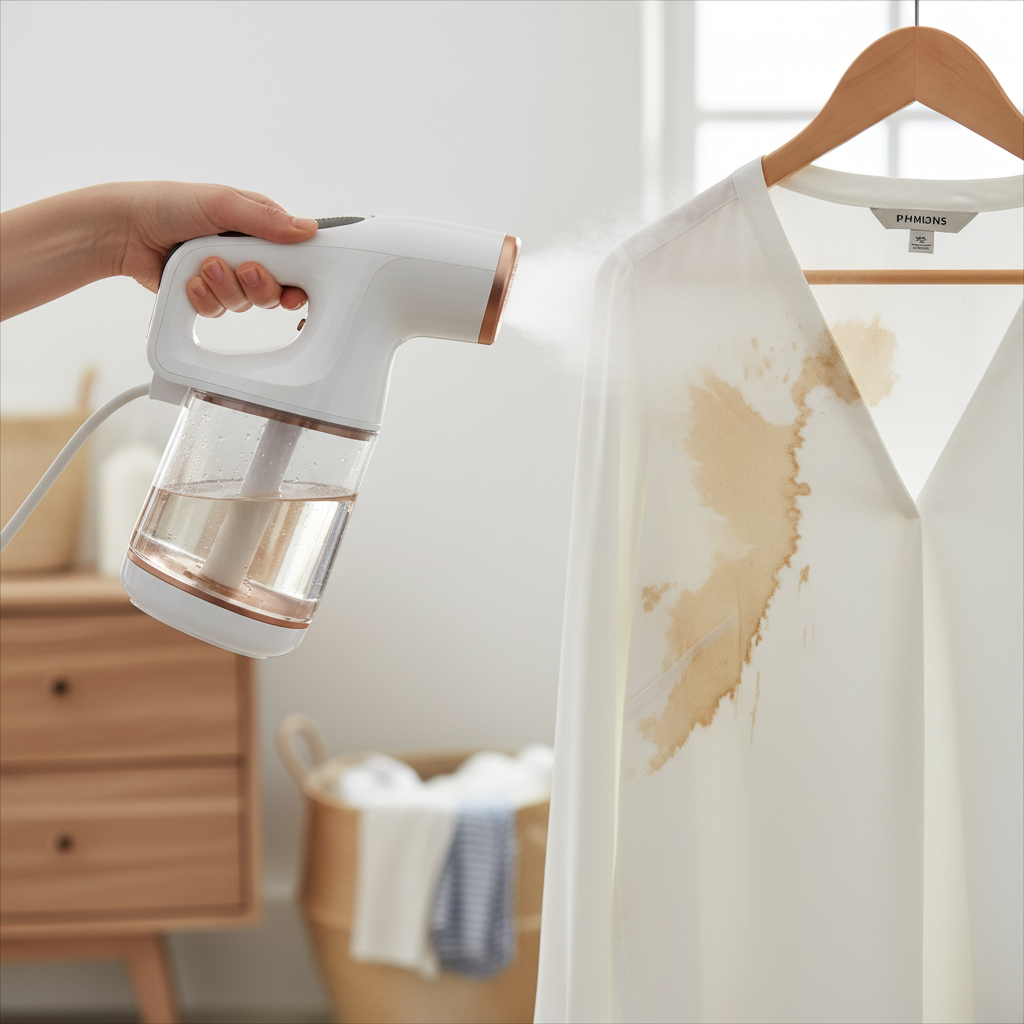
There’s nothing quite as frustrating as reaching for your freshly steamed clothes, only to find them marred by unsightly brown streaks or spots. Your trusty handheld garment steamer, designed to make your life easier, seems to be actively sabotaging your wardrobe. This common issue, where your steamer expels brown-tinged water, can be alarming, but it’s typically a sign of underlying maintenance needs rather than a broken appliance. Understanding the root causes of this problem is the first step towards restoring your steamer to its pristine, streak-free performance.
What is a handheld garment steamer?
A handheld garment steamer is a compact, portable appliance that uses hot steam to relax fabric fibers, quickly smoothing out wrinkles and refreshing clothes without direct contact. Unlike traditional irons that rely on heat and pressure, steamers are gentler on delicate fabrics, faster for quick touch-ups, and often more convenient for travel. Their ease of use and ability to tackle a variety of materials make them a staple in many households. However, this convenience comes with a requirement for proper care, especially concerning the quality of water used, which is crucial for preventing common issues such as the dreaded brown water discharge.
Types of Brown Water Issues in Handheld Garment Steamers
When your handheld garment steamer starts expelling brown water, it’s a clear indicator that something is amiss internally. This discoloration can stem from several sources, each requiring a specific understanding to address effectively. Recognizing the type of issue can guide you towards the most appropriate solution.
Limescale and Mineral Buildup
|
Our Picks for the Best Handheld garment steamer in 2026
As an Amazon Associate I earn from qualifying purchases.
|
||
| Num | Product | Action |
|---|---|---|
| 1 | HiLIFE Steamer for Clothes, Portable Handheld Clothing Steamer, 240ml Big Capacity, 700W, Strong Power, Fabric Quick Wrinkle Remover with Brush for Home, Office(ONLY 120V) -Blue |

|
| 2 | Conair Handheld Garment Steamer for Clothes, Turbo ExtremeSteam 1875W Fabric Steamer, Portable Handheld Design, Strong Penetrating Steam, White/Champagne |
|
| 3 | Conair Handheld Garment Steamer for Clothes, ExtremeSteam 1200W, Portable Handheld Design,White/Blue |
|
| 4 | BEAUTURAL Steamer for Clothes, Portable Handheld Garment Fabric Wrinkles Remover, Aluminun Heating Plate, 35-Second Fast Heat-up, Large Detachable Water Tank (Only for 120V), Blue |
|
| 5 | OGHom Portable Travel Handheld Steamer for Clothes, Garment Wrinkle Remover, 1000W Strong Penetrating Fabric Steamer, for Home, Office, Travel (ONLY FOR 120V) -White |
|
| 6 | HiLIFE Steamer for Clothes, Portable Handheld Design, 240ml Big Capacity, 700W, Strong Penetrating Steam, Removes Wrinkle, for Home, Office(ONLY FOR 120V)-Black |
|
| 7 | HiLIFE Upgraded Steamer for Clothes, Handheld & Portable, 1100W Powerful Steam, 300ml Big Capacity & No Leak Design, 30S Fast Heat-up, Quick Wrinkle Remover, Compact Size for Travel, ONLY 120V |
|
| 8 | Conair Handheld Garment Steamer for Clothes, Turbo ExtremeSteam 1875W Fabric Steamer, Portable Handheld Design, Strong Penetrating Steam, Amazon Exclusive, Black |
|
| 9 | Jack & Rose Travel Steamer for Clothes,100-220V Portable Iron,15s Heat Up,Steamer & Iron 2 In 1, Travel Size,Large Ceramic Heat Panel,for Global and Europe |
|
| 10 | Bear Steamer for Clothes, Handheld Clothes Steamer,1300W Strong Power Garment Steamer with 230ml Tank,Fast Heat-up, Auto-Off, Steam Iron Fabric Wrinkle Remover with Brush for Home and Travel |
|
The most prevalent culprit behind brown water is the accumulation of limescale and other mineral deposits. This occurs when you regularly use hard tap water in your steamer. As the water heats and turns to steam, minerals like calcium and magnesium are left behind, forming a hardened residue on the heating elements and inside the water reservoir and steam vents. Over time, these deposits can break off, mix with water, and get expelled as brown, gritty particles, leading to stains on your clothing.
Rust and Oxidation
Another significant cause of brown discharge is rust or oxidation within the steamer’s internal components. Many steamers contain metallic parts, particularly in the heating element or water channels. If the steamer is left unused for extended periods with water in the reservoir, or if it’s subjected to certain water chemistries, these metallic parts can begin to corrode. This rust then mixes with the steam and water, manifesting as reddish-brown streaks on your garments. This is particularly common if a steamer has been stored away damp or infrequently used.
Fabric Residue and Dirt
While less common than mineral buildup or rust, external factors can also contribute to brown water. If you frequently steam garments at high temperatures, tiny fabric fibers or residue from previous steaming sessions can melt onto the soleplate or get trapped in the steam vents. This accumulation can block the steam holes, causing water to pool and mix with the trapped debris, eventually being expelled as discolored water. This issue highlights the importance of keeping the steamer’s soleplate clean.
Initial Use or Infrequent Use
Sometimes, brown water can appear even in new steamers or those that haven’t been used in a long while. For brand-new units, it can be due to residual oxidation from factory testing. This usually clears after the first few uses. For steamers that have been dormant, similar to rust, stagnant water can lead to mineral and rust deposits accumulating. A few initial uses can dislodge these deposits, resulting in brown water, which should subside once the system is flushed.
Understanding the Root Causes of Brown Water in Your Steamer
Preventing brown water from staining your clothes starts with understanding why these issues occur. Beyond simply identifying the type of brown discharge, delving into the factors that contribute to its formation can help you adopt better habits and extend the life of your appliance.
Water Quality Matters
The single most significant factor influencing brown water discharge is the quality of the water you use. Hard tap water, rich in dissolved minerals, is the primary antagonist. These minerals—calcium, magnesium, and sometimes iron—don’t evaporate with the water. Instead, they settle and harden inside your steamer’s components, leading to limescale. This buildup not only causes brown water but also reduces steam efficiency and can damage the appliance over time. Conversely, using distilled or demineralized water is a simple yet highly effective preventative measure, as it contains virtually no minerals to deposit.
Insufficient Heating
A common operational oversight can also contribute to water spitting and discolored output: not allowing your steamer to heat up sufficiently. Handheld steamers need adequate time to reach their optimal steaming temperature. If you activate the steam function before the heating element is hot enough, the water may not fully convert into steam. Instead, it can leak or “spit” from the soleplate, often mixing with any existing internal debris or mineral deposits, resulting in brown water stains. Always wait for the indicator light to signal readiness before steaming.
Improper Usage Habits
Certain usage patterns can inadvertently contribute to brown water issues. Continuously holding down the steam trigger without breaks can lead to water accumulating in the steam channels, rather than fully vaporizing, increasing the likelihood of leaks and discolored discharge. Similarly, using the steam function on very low-temperature settings, if your steamer allows it, can prevent proper steam generation and encourage water leakage. Not emptying the water reservoir after each use is another habit that fosters mineral and rust buildup, especially if the steamer is stored with stagnant water.
Effective Solutions to Fix Brown Water in Your Handheld Steamer
Encountering brown water from your handheld steamer doesn’t necessarily mean it’s time for a new appliance. Often, a few targeted cleaning and maintenance steps can resolve the issue and restore your steamer’s performance. The key is to address the specific cause of the discoloration.
Step-by-Step Descaling Process
Descaling is the most critical step for combating limescale and mineral buildup.
- Prepare the Solution: Mix equal parts white vinegar and distilled water. For example, if your steamer’s reservoir is 100ml, use 50ml vinegar and 50ml water.
- Fill and Heat: Pour the solution into the steamer’s water tank. Turn the steamer on and let it heat up fully.
- Steam and Flush: Once hot, hold the steamer over a sink or an old towel and activate the steam function. Allow it to steam continuously until the reservoir is empty. This process helps the vinegar solution break down mineral deposits.
- Rinse and Repeat (if necessary): If brown water persists, let the steamer cool completely, then repeat the descaling process.
- Final Flush: After descaling, fill the reservoir with only clean distilled water and run it through a full steaming cycle to flush out any remaining vinegar or dislodged deposits. This prevents vinegar odor from transferring to your clothes.
Thorough Soleplate Cleaning
If fabric residue is contributing to the problem, cleaning the soleplate is essential.
- Ensure Coolness: Always ensure the steamer is unplugged and completely cool.
- Wipe Down: Use a damp cloth to gently wipe the soleplate, removing any visible debris, lint, or melted fabric. For stubborn residue, a mild non-abrasive cleaner designed for irons/steamers can be used, followed by a thorough wipe with a clean, damp cloth.
- Test Cleanse: For an internal cleanse, turn on the steamer (without the steam function activated) to a maximum temperature. Move it across a thick stack of paper towels. Any remaining melted fabric or dirt should transfer to the paper.
Optimizing Steamer Usage
Adjusting your usage habits can significantly prevent brown water issues.
- Allow Full Heat-Up: Always give your steamer ample time to reach its operating temperature before engaging the steam function. Wait for the indicator light.
- Pause Between Bursts: When using intermittent steam, allow short pauses between bursts to ensure proper vaporization and prevent water accumulation.
- Use Distilled Water: Make a habit of using distilled or demineralized water exclusively. This is the most effective preventative measure against mineral buildup.
- Empty Water After Use: After each steaming session, empty any remaining water from the reservoir and allow it to air dry before storing. This prevents stagnant water from fostering rust and limescale.
Regular Maintenance Schedule
Consistency is key to a long-lasting, problem-free steamer. Incorporate these practices into your routine:
- Descaling: Depending on your water hardness and frequency of use, descale your steamer every 1-3 months.
- Weekly Use: If you have a steam generator type of steamer, running it at least once a week, even for a short period, can prevent internal components from seizing and reduce the likelihood of rust.
Here’s a quick overview of common problems, causes, and solutions:
| Problem | Cause | Solution | Prevention |
|---|---|---|---|
| Brown water/streaks | Limescale/Hard Water | Descale with vinegar solution | Use distilled water |
| Reddish-brown spots | Rust/Oxidation | Descale/Flush thoroughly | Regular use, empty reservoir after use |
| Brown stains with debris | Fabric Residue/Dirt | Clean soleplate with damp cloth | Regularly wipe soleplate, proper fabric care |
| Water leaking/spitting | Insufficient Heat | Allow full heat-up time | Always wait for indicator light, follow manual |
“Consistent maintenance, especially descaling, is not just about extending your steamer’s life; it’s about protecting your clothes from unsightly stains. Don’t underestimate the power of distilled water.” – Admin, Reviewkf.com, Handheld Steamer Expert
Maintaining Your Handheld Steamer for Optimal Performance
Beyond fixing existing brown water issues, establishing a routine for care and maintenance is paramount to ensuring your handheld garment steamer remains a reliable tool. Proper usage and diligent upkeep can significantly extend its lifespan and maintain its efficiency, ensuring your clothes always look their best.
To use your handheld steamer safely and effectively, always refer to your specific model’s manual. Generally, ensure you only fill the reservoir to the recommended level and never overfill. Always place the steamer on a stable, heat-resistant surface when not in use or when cooling down. When steaming, maintain a safe distance from your body and avoid directing steam at skin, as it can cause burns. The core principle for longevity is water quality. Using distilled or demineralized water is the simplest and most effective way to prevent mineral buildup and the associated brown water problem.
Regular cleaning and descaling practices are non-negotiable. As discussed, a monthly or quarterly descaling with a vinegar and water solution can prevent limescale from hardening and causing blockages or discoloration. After each descaling cycle, always run a full tank of clean distilled water through the steamer to rinse out any residual cleaning solution and loosened deposits. This crucial step ensures that the next time you steam, only pure, clean vapor touches your garments.
Proper storage is another key aspect of care. Once you’ve finished steaming, always empty any remaining water from the reservoir. Allow the steamer to cool completely and air dry, ideally with the water tank cap open, to prevent moisture buildup that could lead to mold, mildew, or internal corrosion. Store your steamer in a dry, cool place, away from direct sunlight and extreme temperatures. By following these simple yet effective maintenance tips, you can avoid the frustration of brown water and keep your handheld garment steamer performing optimally for years to come.
When to Consider a New Handheld Garment Steamer
While most brown water issues can be resolved with proper cleaning and maintenance, there comes a point when a steamer might be beyond repair. Recognizing these signs can save you time, effort, and further damage to your clothes, signaling that it’s time to invest in a new appliance.
Consider replacing your handheld garment steamer if:
- Persistent Brown Water: Despite repeated descaling efforts and using distilled water, brown water continues to leak or spit out consistently. This could indicate severe, irreparable internal corrosion or extensive mineral buildup in hard-to-reach areas.
- Significant Rust or Damage: If you notice external signs of heavy rust, especially around the soleplate or water inlet, or if there are cracks in the housing or damaged electrical cords, it’s a safety hazard and a clear sign for replacement.
- Reduced Performance: Your steamer takes an unusually long time to heat up, produces very little steam, or stops steaming altogether, even after thorough cleaning. This suggests a failing heating element or pump, which are often not cost-effective to repair.
- Unusual Noises or Odors: Grinding noises, burning smells, or excessive sputtering that doesn’t clear up after basic troubleshooting could point to internal mechanical failures that require professional repair or replacement.
In such cases, continuing to use a faulty steamer can be inefficient and potentially dangerous. Investing in a new model often proves more practical and cost-effective than attempting costly repairs on an aging or heavily corroded unit.
Essential Buying Guide Considerations
When the time comes to purchase a new handheld garment steamer, or if you’re looking to prevent future brown water issues, several key factors should influence your decision. Making an informed choice can ensure you select a durable, efficient, and low-maintenance appliance.
Your Budget and Steamer Features
Handheld steamers come in a range of price points, each offering varying features. Entry-level models are typically straightforward, while mid-range to high-end steamers may offer features specifically designed to combat hard water issues. Look for models with:
- Anti-Calc/Self-Cleaning Functions: Some advanced steamers include built-in descaling systems or filters that capture mineral deposits, reducing the frequency of manual cleaning.
- Larger Water Tanks: For extended steaming sessions without frequent refills.
- Powerful Steam Output: Ensures faster wrinkle removal and better penetration.
Balance your budget with features that align with your usage needs and prioritize those that minimize maintenance and prevent mineral buildup.
Reputable Brands for Longevity
Investing in a steamer from a well-known and reputable brand often pays off in terms of quality, durability, and customer support. Brands like Philips, Conair, Rowenta, and PurSteam are frequently cited for their robust designs and effective performance. These manufacturers typically use higher-quality internal components that are less prone to rust and often incorporate technologies to mitigate limescale accumulation. Researching brand reputation and product reviews can give you insight into a model’s typical lifespan and common issues.
User Reviews and Maintenance Feedback
Before making a purchase, take the time to read user reviews on various retail and consumer product websites. Pay close attention to comments regarding:
- Water Quality Issues: Do users report brown water or mineral buildup even with proper care?
- Ease of Cleaning: How easy is the steamer to descale and maintain according to real-world users?
- Durability and Longevity: How long do users report their steamers lasting, and what common issues arise over time?
Look for consistent feedback regarding the product’s long-term performance and maintenance requirements. This “wisdom of the crowd” can be invaluable in selecting a steamer that will serve you well and help avoid future brown water woes.
Conclusion
Encountering brown water from your handheld garment steamer is a common, yet solvable, problem primarily caused by limescale from hard water, internal rust, or accumulated fabric residue. The good news is that with consistent care, these issues are largely preventable and treatable. Regular descaling with a simple vinegar solution, diligent soleplate cleaning, and most importantly, consistently using distilled water are your best defenses. By adopting these maintenance habits, you not only prevent unsightly stains on your clothes but also ensure your steamer operates efficiently and reliably for years to come. Don’t let brown water dampen your style; take control of your steamer’s health today for perfectly crisp, clean garments every time. What are your go-to tips for keeping your handheld steamer in top condition?
Câu Hỏi Thường Gặp
How often should I descale my handheld steamer?
The frequency depends on your tap water’s hardness and how often you use the steamer. If you use hard tap water daily, descaling monthly is advisable. If you use distilled water or steam infrequently, quarterly descaling should suffice.
Can I use tap water in my steamer if it’s not considered “hard”?
While using softer tap water might delay mineral buildup, it doesn’t eliminate it entirely. Most manufacturers and experts recommend using distilled or demineralized water for optimal performance and to completely prevent limescale and brown water issues over the long term.
What kind of vinegar should I use for descaling?
White distilled vinegar is the recommended choice for descaling. Its mild acidity effectively breaks down mineral deposits without leaving behind residues or strong odors that could affect your garments. Avoid using apple cider vinegar or other types, as they may contain sugars or colorings.
Is brown water harmful to clothes?
While the brown water itself is primarily mineral deposits or rust and generally not chemically harmful, it can leave unsightly stains on your clothes that may be difficult to remove. It’s best to stop using the steamer immediately if you notice brown discharge and address the underlying issue.