Bed bugs are notorious for turning peaceful nights into a waking nightmare, leaving itchy bites and persistent anxiety in their wake. As these resilient pests continue to trouble homeowners and travelers alike, many seek effective, non-toxic solutions to reclaim their space. While a full-blown infestation often warrants professional intervention, a handheld steamer can be a surprisingly powerful weapon in your arsenal against bed bugs, particularly for targeted treatments. This guide will delve into how to leverage the power of steam to eliminate these unwanted guests, providing essential techniques, safety tips, and buying advice to help you tackle the problem effectively.
What Are Bed Bugs and Why Is Steam an Effective Solution?
Bed bugs (Cimex lectularius) are small, reddish-brown, wingless insects that feed solely on the blood of warm-blooded animals, primarily humans. Nocturnal by nature, they hide in cracks and crevices during the day, emerging at night to feed. They are infamous for their elusive nature and ability to reproduce rapidly, making eradication a significant challenge.
The primary reason steam is an effective method for bed bug control lies in their extreme sensitivity to heat. Bed bugs and their eggs have a low thermal death point, meaning high temperatures rapidly destroy their internal systems, leading to instant demise upon direct contact. Unlike chemical treatments, steam leaves no toxic residue, making it a safe and environmentally friendly option for homes with children, pets, or individuals sensitive to pesticides. This method can effectively kill all life stages of bed bugs—adults, nymphs, and eggs—on surfaces where the steam can directly reach them.
Understanding Handheld Steamers for Bed Bug Extermination
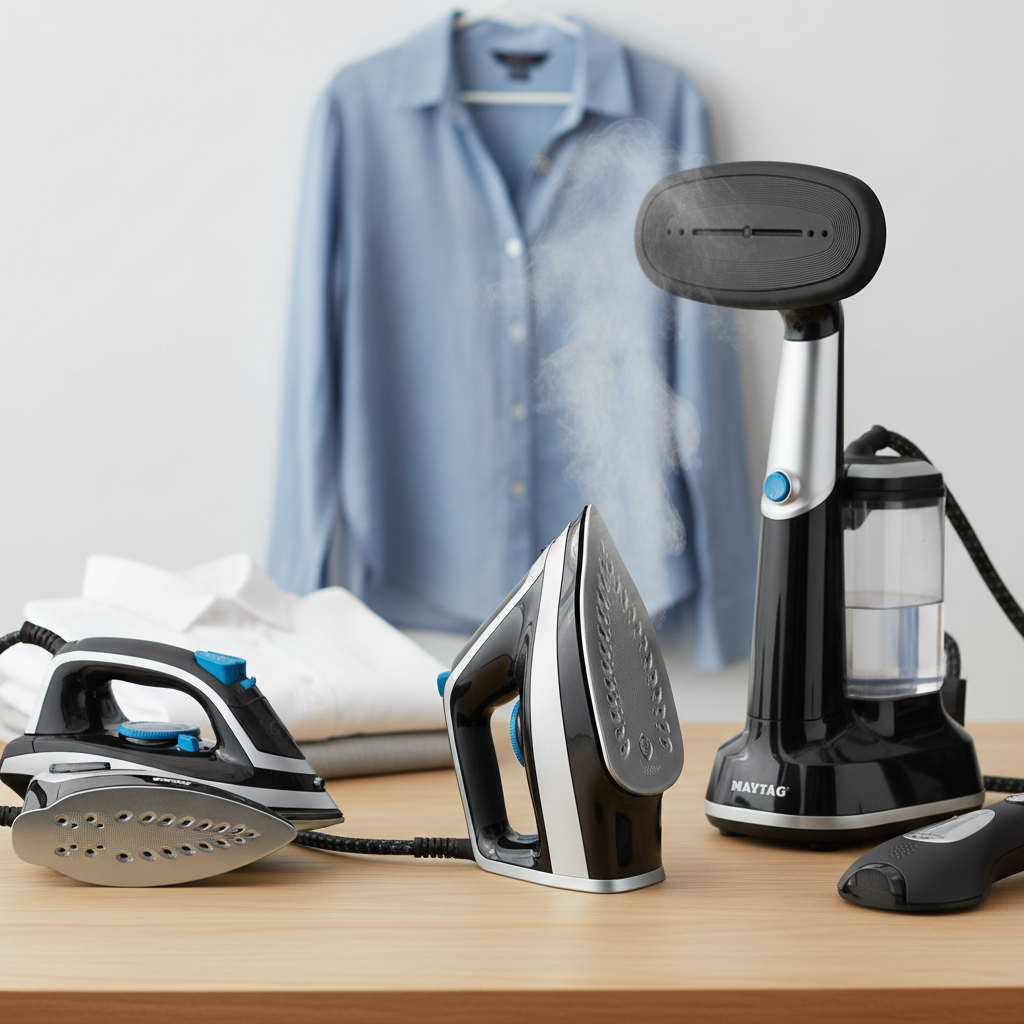
A handheld steamer is a compact device that heats water to produce high-temperature steam, primarily used for wrinkle removal from garments. When repurposed for pest control, its ability to generate intense heat makes it a viable tool against bed bugs.
While effective, it’s important to understand that handheld steamers differ from larger, commercial-grade steam cleaners often used by pest control professionals. Commercial units typically offer stronger, more consistent steam pressure, larger water tanks for extended use, and a wider range of specialized nozzles for broader coverage and deeper penetration. Handheld models, by contrast, are more suitable for smaller, localized infestations or as a supplementary tool in a broader treatment plan. They excel at targeting specific hiding spots like mattress seams, furniture crevices, and small cracks.
When selecting a handheld steamer for bed bug extermination, look for models that consistently produce steam at temperatures above 200°F (93°C) at the nozzle. This high temperature is crucial for ensuring the heat at the point of contact is lethal enough to kill the pests quickly. Features like multiple attachments, including triangular or wide nozzles, and a decent water tank capacity that allows for sustained steaming without frequent refills, are also beneficial. Avoid using garment steamers with very narrow or “pinpoint” nozzles, as these can inadvertently blow bed bugs and their eggs to untreated areas, spreading the infestation.
The Science of Steam: Lethal Temperatures for Bed Bugs
The effectiveness of steam against bed bugs is purely dependent on temperature. Research indicates that bed bugs and their eggs die within minutes when exposed to temperatures of 118°F (48°C). For immediate and guaranteed eradication, pest control experts often aim for surface temperatures between 140°F (60°C) and 150°F (65°C). Since water boils at 212°F (100°C), the steam produced by most handheld units, typically ranging from 200°F (93°C) to 300°F (149°C), is more than sufficient to reach these lethal temperatures.
However, the temperature at the steamer’s nozzle is not necessarily the temperature that reaches the bed bug. Heat dissipates rapidly as steam exits the device and makes contact with a surface. Therefore, the goal is to ensure the surface being treated reaches at least 160°F–180°F (71°C-82°C) immediately after the steamer passes over it. To verify this, using an infrared thermometer is highly recommended. Regularly checking the surface temperature as you work ensures that the heat is sufficient to penetrate materials and kill any hidden pests. This precision helps confirm the treatment’s efficacy and prevents unnecessary repeated applications if the temperature isn’t adequate.
Preparing Your Space for Steam Treatment
Before you begin steaming, thorough preparation of your infested area is critical to maximize the treatment’s effectiveness and ensure safety.
Start by decluttering the room as much as possible. Remove all bedding, curtains, clothing, and other fabric items. Wash these items in hot water and dry them on the highest heat setting for at least 30 minutes, if possible, as high temperatures are known to kill bed bugs and their eggs. Vacuum all carpets, rugs, and upholstered furniture, paying close attention to seams, edges, and crevices, then immediately dispose of the vacuum bag in a sealed plastic bag outside your home.
Safety precautions are paramount when working with high-temperature steam. Unplug any electronics in the treatment area to prevent electrical hazards. For delicate materials like certain types of upholstery, waxed wood, or painted surfaces, always test a small, inconspicuous area first to ensure the steam does not cause damage or discoloration. If you are unsure whether an item can withstand steam, consult the manufacturer’s guidelines. Identify all potential bed bug hiding spots, including mattress seams, bed frames, headboards, nightstands, baseboards, electrical outlets, and furniture cushions. A flashlight can help reveal their presence in dark corners and crevices.
Step-by-Step Guide to Steaming Bed Bugs Effectively
Using a handheld steamer effectively requires patience and precision. Follow these steps for the best results:
- Fill the Steamer: Always use clean, distilled water in your steamer’s reservoir. Never add any chemicals, detergents, or pest control solutions to the water tank; the heat alone is what kills bed bugs.
- Choose the Right Nozzle: Attach a wide or triangular nozzle to your steamer. These attachments help distribute the steam broadly and prevent inadvertently blowing bed bugs away, which can happen with pinpoint nozzles. Avoid attachments with bristles that might interfere with direct steam contact.
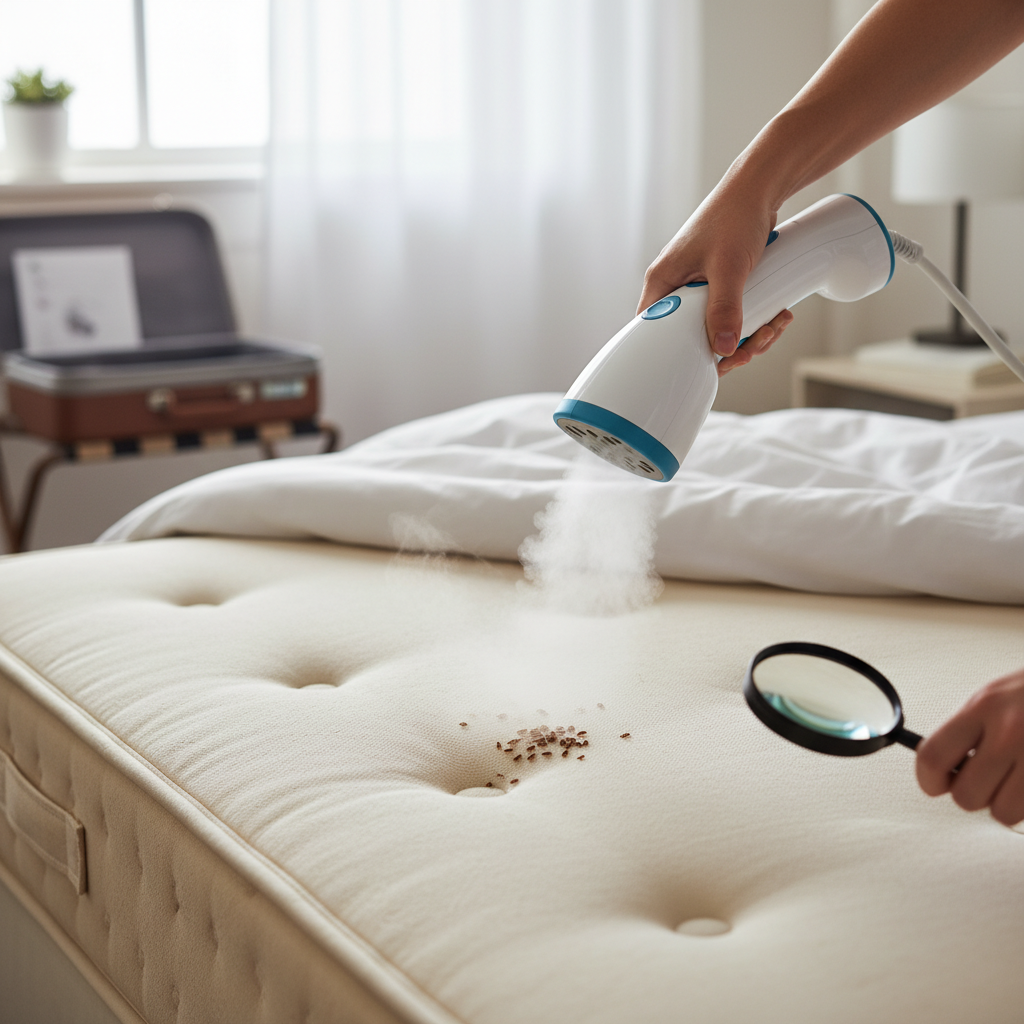
- Apply Steam Slowly and Methodically: This is the most crucial step. Move the steamer head very slowly over the infested surfaces, at a rate of approximately one inch per second, or about 12 inches every 10-30 seconds. This slow movement allows the heat to penetrate the material thoroughly and reach the pests. Rushing the process is a common mistake that significantly reduces effectiveness.
- Maintain Proper Distance and Angle: Hold the steamer nozzle a few centimeters (about half an inch) away from the surface, creating a small gap. Avoid pressing it flush against the material, as this can push bugs away instead of enveloping them in steam. The slight angle allows bugs to be caught under the steam head.
- Target All Hiding Spots:
- Mattresses and Box Springs: Concentrate on seams, tufts, folds, and underneath labels.
- Bed Frames and Headboards: Thoroughly steam all joints, cracks, crevices, and screw holes. Disassemble the bed frame if necessary.
- Upholstered Furniture: Pay close attention to cushions, seams, skirts, and undersides.
- Cracks and Crevices: Carefully apply steam along baseboards, wall cracks, floorboards, and around electrical outlets (after ensuring power is off).
- Behind Wall Hangings: Don’t forget picture frames and mirrors close to the bed.
- Verify Temperature (Optional but Recommended): Use an infrared thermometer to spot-check the temperature of the treated surfaces immediately after steaming. Ensure it reaches the lethal range of 160°F-180°F (71°C-82°C).
- Post-Treatment Care: After steaming, allow all treated surfaces to air dry completely to prevent moisture-related issues like mold or mildew. Re-inspect the area regularly over the next few days and weeks to ensure no bed bugs or eggs were missed. Multiple treatments may be necessary to fully eradicate an infestation.
Common Mistakes to Avoid When Using a Steamer
While steaming is effective, several common pitfalls can reduce its efficacy or even exacerbate the problem. Being aware of these can help you maximize your success:
- Rushing the Process: Moving the steamer too quickly is perhaps the most frequent mistake. Rapid passes do not allow enough heat to transfer and penetrate adequately, meaning bed bugs and eggs might survive.
- Using the Wrong Nozzle: As mentioned, pinpoint nozzles can scatter bed bugs, spreading the problem to new areas. Always opt for wider or triangular attachments that provide broader coverage and better heat retention.
- Not Checking Temperature: Without an infrared thermometer, you’re guessing whether the lethal temperature has been achieved. Inconsistent heat is a major reason for failed DIY treatments.
- Missing Hidden Spots: Bed bugs are masters of hiding. Overlooking less obvious areas like screw heads, behind picture frames, or inside electrical outlets can lead to re-infestation.
- Relying Solely on a Handheld Steamer for Severe Infestations: While great for targeted treatments, a handheld steamer may not be sufficient for widespread or deeply entrenched infestations due to its limited power and tank capacity.
- Adding Chemicals to Water: This is unnecessary and can be dangerous. The steamer is designed to use pure water; the heat alone is the killing agent.
- Drenching Surfaces: While steam is moist, you should avoid saturating materials. Excessive moisture can lead to mold or damage, especially to wood or delicate fabrics.
Comparing Popular Handheld Steamers for Bed Bugs
When choosing a handheld steamer, certain models are frequently mentioned for their capability to reach and sustain the temperatures needed to kill bed bugs. While specific product availability and features can vary, here’s a look at the types and characteristics to consider, often found in popular models:
| Feature | Ideal for Bed Bugs | Common in Handheld Models | Examples & Notes |
|---|---|---|---|
| Steam Temp. | ≥ 200°F (93°C) at nozzle, 160-180°F (71-82°C) at surface | Often ≥ 200°F, but consistency can vary | Many models claim high temps, but check reviews for sustained output. |
| Power (Wattage) | Higher wattage (e.g., 1500W+) | Varies widely (e.g., 1200W to 1875W) | Higher wattage generally means faster heat-up and stronger steam output. |
| Tank Capacity | Larger (e.g., 40 oz / 1.2 L or more) for continuous use | Smaller (e.g., 7-15 oz / 0.2-0.4 L) for portability | Larger tanks (like Dupray Neat Steam Cleaner’s 1.6L) mean fewer refills during treatment. |
| Continuous Steam | Long duration (e.g., 30-50+ minutes) | Shorter duration (e.g., 10-20 minutes) | Look for steam-lock features to reduce hand fatigue. |
| Heat-up Time | Fast (e.g., under 10 minutes) | Varies (e.g., 30 seconds to several minutes) | Faster heat-up times improve efficiency. |
| Attachments | Wide brush, triangular head, jet nozzle | Usually includes brush, fabric tool, crevice tool | Avoid pinpoint nozzles. Accessories like angled nozzles are useful for hard-to-reach spots. |
| Portability | Ergonomic, lightweight | Designed for easy handling and travel | Handhelds are typically more portable than canister models. |
Models like the McCulloch MC1275 or MC1375 are frequently recommended for their heavy-duty output and accessory range, often bridging the gap between handheld and full-sized cleaners. The Dupray Neat Steam Cleaner is another powerful option, though it’s typically a canister style, offering very high temperatures and extended runtimes. For strictly handheld options, models such as the Conair 1875W Handheld Garment Steamer or other high-wattage units can be effective for localized applications if they consistently reach the required temperatures. Always cross-reference manufacturer specifications with user reviews to gauge real-world performance, especially regarding sustained heat output.
When to Call a Professional Exterminator
While a handheld steamer can be an invaluable tool in your bed bug fighting strategy, it’s important to recognize its limitations. DIY steaming is generally most effective for early, localized infestations or as a supplementary measure to professional treatment.
You should consider calling a professional exterminator if:
- The infestation is widespread: If bed bugs are found in multiple rooms, deeply embedded in walls, or in areas difficult to access with a steamer, professional help is essential.
- Repeated DIY attempts fail: If you’ve diligently steamed and continue to find bed bugs or fresh bites, it indicates the problem is beyond a DIY solution.
- You have delicate or antique furniture: Professionals have specialized equipment and knowledge to treat sensitive items without causing damage.
- You need comprehensive treatment: Professional services often combine heat treatments (whole-room heat remediation), targeted chemical applications, and ongoing monitoring for a complete eradication strategy.
- You seek peace of mind: An experienced exterminator can provide a thorough inspection, identify all hiding spots, and guarantee their work, offering a more permanent solution.
Buying Guide: Choosing Your Bed Bug Steamer
Selecting the right handheld steamer can make a significant difference in your battle against bed bugs. Consider these factors when making your purchase:
Your Budget
|
Our Picks for the Best Handheld garment steamer in 2026
As an Amazon Associate I earn from qualifying purchases.
|
||
| Num | Product | Action |
|---|---|---|
| 1 | HiLIFE Upgraded Steamer for Clothes, Handheld & Portable, 1100W Powerful Steam, 300ml Big Capacity & No Leak Design, 30S Fast Heat-up, Quick Wrinkle Remover, Compact Size for Travel, ONLY 120V |

|
| 2 | Conair Handheld Garment Steamer for Clothes, ExtremeSteam 1200W, Portable Handheld Design,White/Blue |
|
| 3 | HiLIFE Steamer for Clothes, Portable Handheld Design, 240ml Big Capacity, 700W, Strong Penetrating Steam, Removes Wrinkle, for Home, Office(ONLY FOR 120V)-Black |
|
| 4 | HiLIFE Steamer for Clothes, Portable Handheld Clothing Steamer, 240ml Big Capacity, 700W, Strong Power, Fabric Quick Wrinkle Remover with Brush for Home, Office(ONLY 120V) -Blue |
|
| 5 | Bear Steamer for Clothes, Handheld Clothes Steamer,1300W Strong Power Garment Steamer with 230ml Tank,Fast Heat-up, Auto-Off, Steam Iron Fabric Wrinkle Remover with Brush for Home and Travel |
|
| 6 | BEAUTURAL Steamer for Clothes, Portable Handheld Garment Fabric Wrinkles Remover, Aluminun Heating Plate, 35-Second Fast Heat-up, Large Detachable Water Tank (Only for 120V), Blue |
|
| 7 | Conair Handheld Garment Steamer for Clothes, Turbo ExtremeSteam 1875W Fabric Steamer, Portable Handheld Design, Strong Penetrating Steam, White/Champagne |
|
| 8 | Conair Handheld Garment Steamer for Clothes, Turbo ExtremeSteam 1875W Fabric Steamer, Portable Handheld Design, Strong Penetrating Steam, Amazon Exclusive, Black |
|
| 9 | Jack & Rose Travel Steamer for Clothes,100-220V Portable Iron,15s Heat Up,Steamer & Iron 2 In 1, Travel Size,Large Ceramic Heat Panel,for Global and Europe |
|
| 10 | OGHom Portable Travel Handheld Steamer for Clothes, Garment Wrinkle Remover, 1000W Strong Penetrating Fabric Steamer, for Home, Office, Travel (ONLY FOR 120V) -White |
|
Steamers come in a wide range of prices. Entry-level handheld models are affordable, often under $50-$100, suitable for small areas and occasional use. Mid-range steamers (e.g., $100-$200) offer better power, larger tanks, and more accessories, providing a good balance of performance and value. High-end or professional-grade units (over $200) deliver superior and consistent steam output, larger capacities, and robust construction for more demanding tasks or extensive localized treatments. Compare features across different price points to find one that fits your needs without overspending.
Reliable Brands
Investing in a reputable brand often translates to better quality, durability, and customer support. Look for brands known for producing reliable steam cleaners, even if marketed primarily for garments or general cleaning. Some brands frequently cited in discussions about bed bug steamers include McCulloch, Dupray, Conair, and Steamfast. Investigate their warranty policies and customer service reputation before committing.
Read Reviews from Other Users
User reviews offer invaluable insights into a steamer’s real-world performance. Pay close attention to feedback regarding:
- Steam temperature consistency: Does it maintain high heat throughout use, or does it cool down quickly?
- Tank capacity and runtime: How long can it steam continuously before needing a refill?
- Durability: Does the unit withstand frequent use?
- Effectiveness against pests: While not always the primary focus, some users may share their experiences with bed bugs or other insects.
- Ease of use: Is it comfortable to hold and maneuver for extended periods?
“For bed bug eradication, the power isn’t just about how hot the steam is, but how consistently it can deliver that heat over time. A reliable steamer with a steady output is far more effective than one with impressive but fleeting bursts.” – Dr. Eleanor Vance, Entomologist specializing in Pest Management
Conclusion
A handheld steamer can be a highly effective, chemical-free tool in your fight against bed bugs, capable of delivering lethal heat to eliminate pests and their eggs on contact. Its success hinges on choosing a steamer that produces sufficiently high temperatures, understanding the critical importance of slow, methodical application, and diligently targeting all potential hiding spots. While handheld units are excellent for localized treatments and as part of a comprehensive strategy, it’s vital to recognize their limitations and consider professional assistance for widespread or persistent infestations. By arming yourself with the right knowledge and tools, you can significantly improve your chances of reclaiming a bed bug-free home.
Have you considered how regular, proactive steaming could prevent future bed bug concerns?
Frequently Asked Questions
Does a handheld steamer really kill bed bugs and their eggs?
Yes, a handheld steamer can effectively kill bed bugs and their eggs on direct contact by exposing them to lethal temperatures typically above 160°F (71°C). The steam’s high heat rapidly destroys their internal systems, making it a powerful non-toxic method.
What temperature is needed to kill bed bugs with steam?
For instant eradication, the surface being treated needs to reach 160°F-180°F (71°C-82°C) immediately after the steam passes. Most handheld steamers produce steam between 200°F (93°C) and 300°F (149°C) at the nozzle, which is sufficient if applied correctly.
How slowly should I move the steamer to kill bed bugs?
You should move the steamer head very slowly, at a rate of approximately one inch per second, or about 12 inches every 10-30 seconds. This ensures adequate heat penetration to kill both adult bed bugs and their eggs.
Can I use a regular garment steamer for bed bugs?
You can use a garment steamer for bed bugs if it consistently produces steam at temperatures above 200°F (93°C) at the nozzle and you use appropriate attachments. However, some garment steamers may not maintain sufficient heat or have suitable nozzles for thorough bed bug treatment.
What surfaces can I steam to kill bed bugs?
You can safely steam most furniture, mattresses, box springs, fabrics, carpets, and cracks in hardwood floors or baseboards. Always test a small, inconspicuous area first, especially on delicate materials, to avoid damage. Avoid drenching surfaces.
Should I add anything to the water in my steamer for bed bugs?
No, you should only use clean, distilled water in your steamer. The high temperature of the steam is the active killing agent, and adding chemicals can be dangerous, ineffective, and may damage your steamer.
How often should I steam for bed bugs?
For an active infestation, you may need to steam several times over the course of days or weeks. Regular re-inspection and repeated treatments ensure that any missed bugs or newly hatched eggs are eliminated, breaking the bed bug life cycle.